


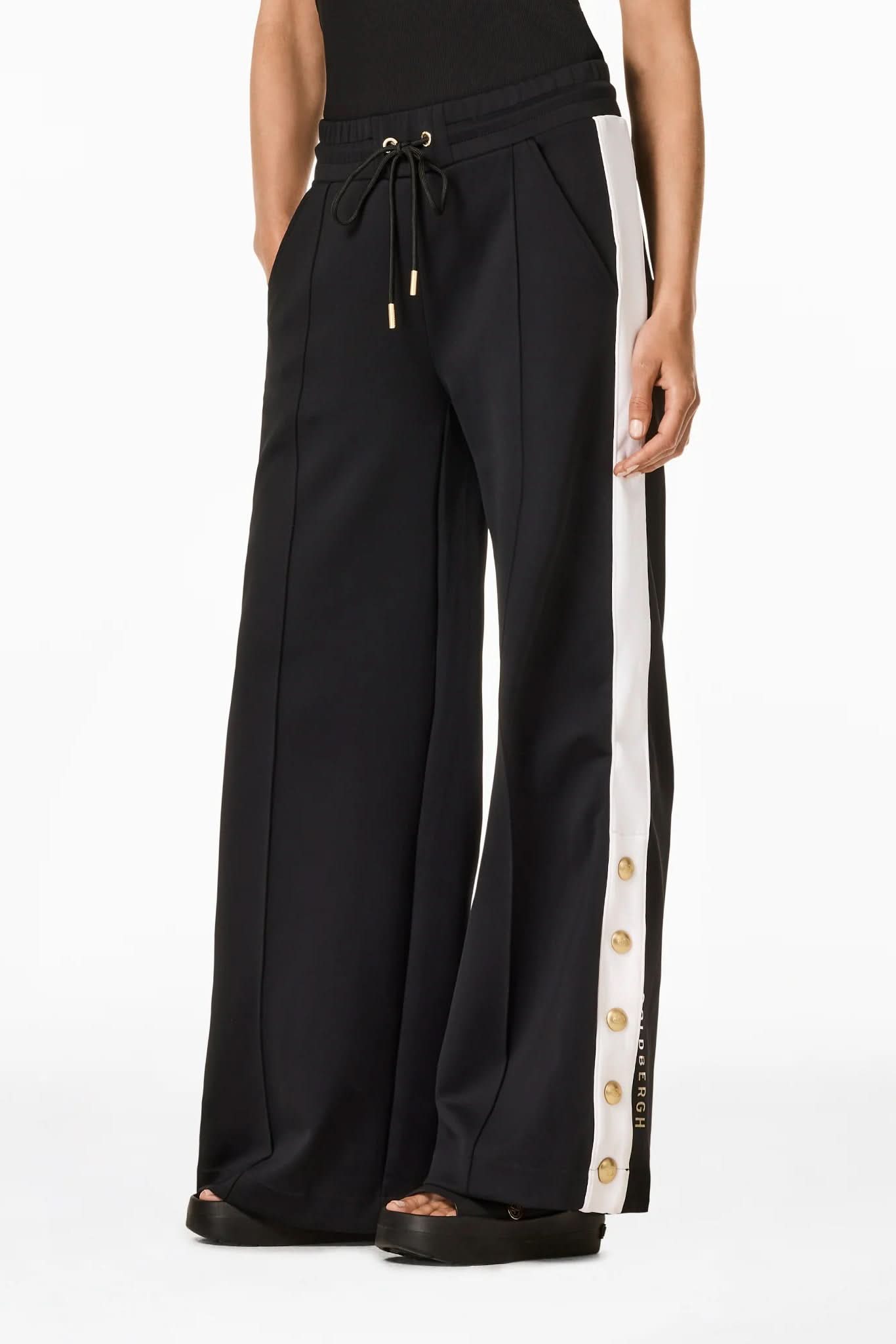
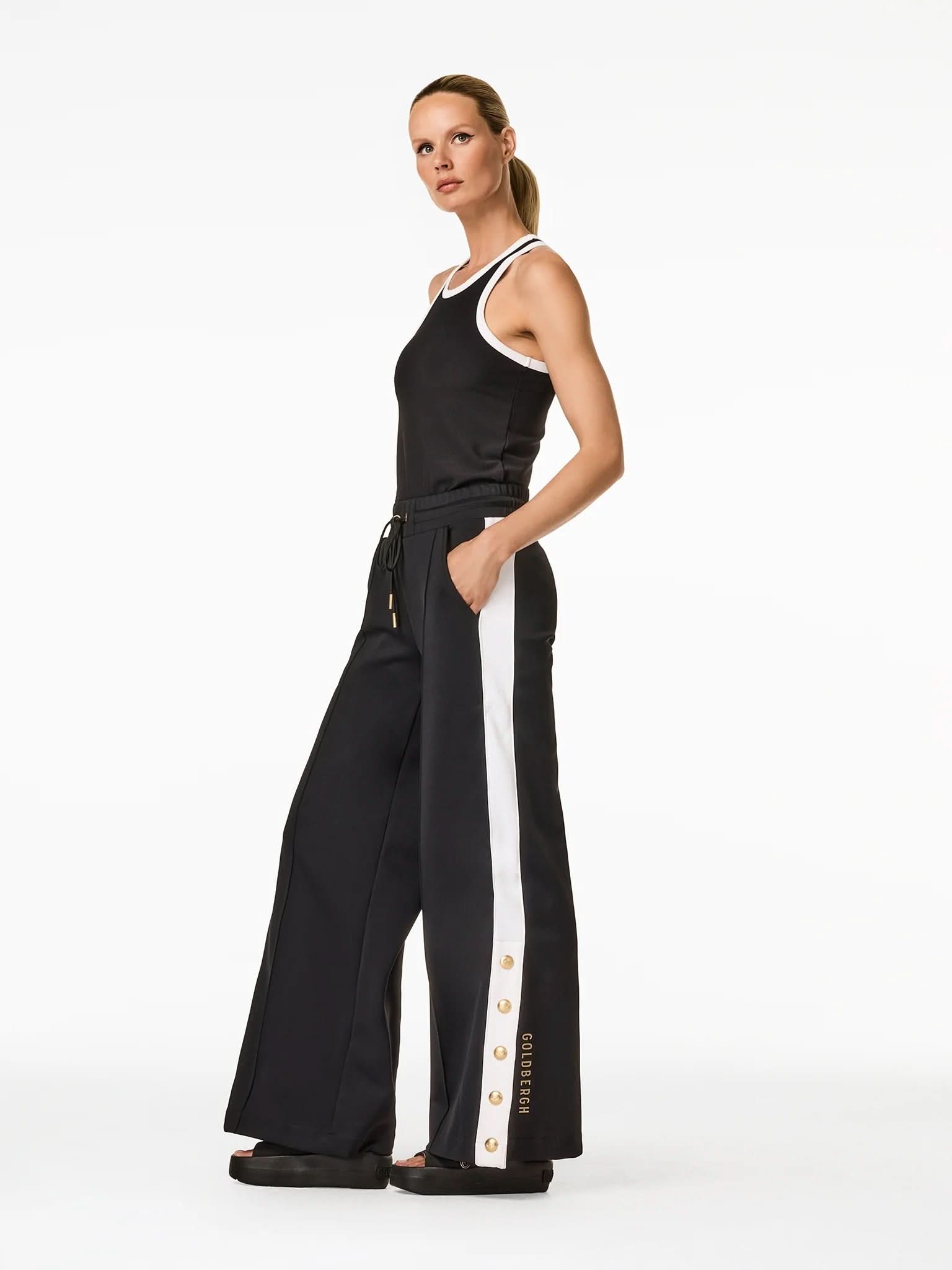


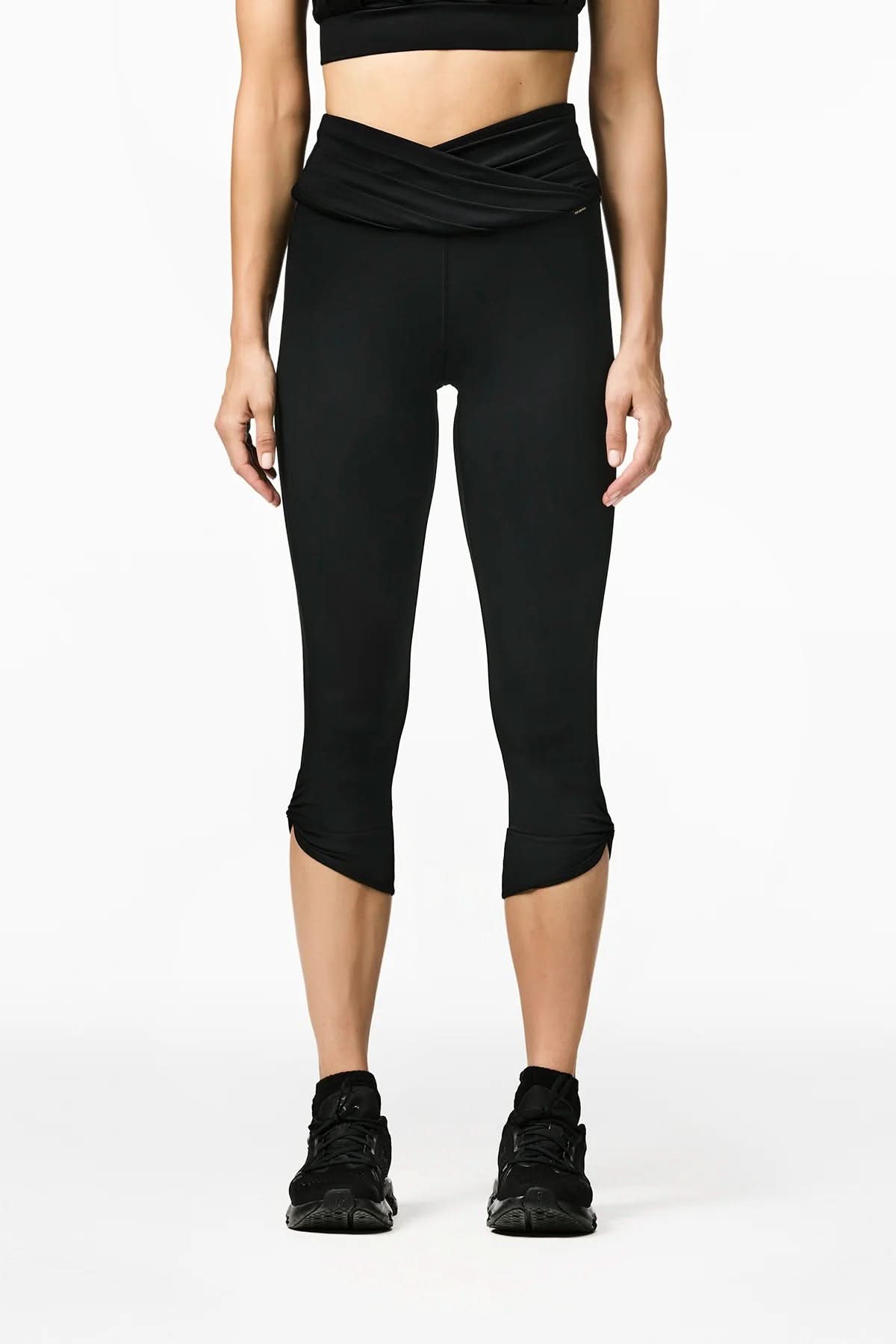
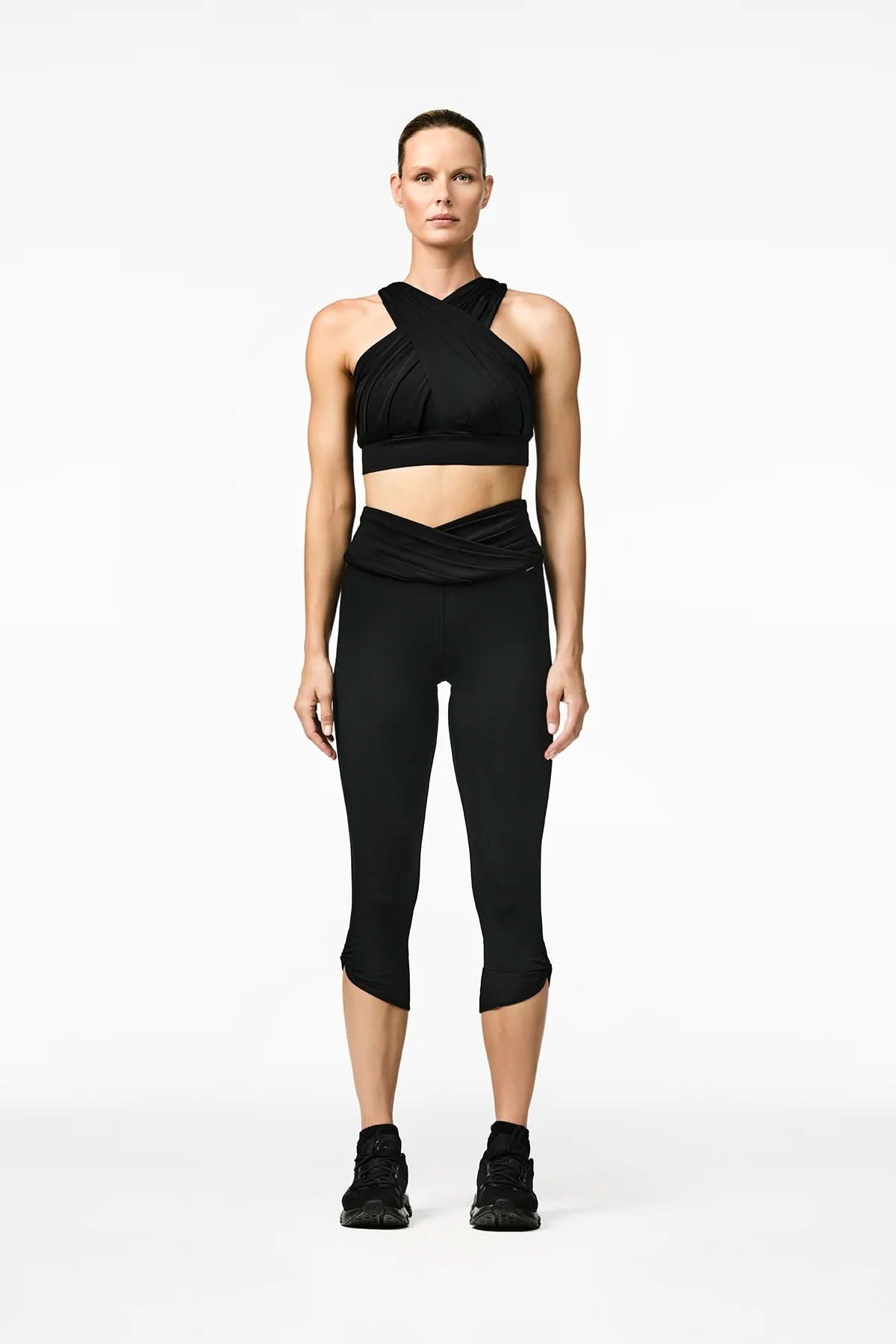








How to choose the cut and length of ski pants to suit your body shape
The size of ski pants affects not only comfort, but also safety and convenience while skiing. Even small differences in leg length, hip width, or waist can matter. We'll advise you on how to choose the cut and length of pants for your figure and skiing style.
How to choose ski pant size?
A well-chosen size of ski pants affects riding comfort, protection from snow and cold, and freedom of movement on the slope. Remember that for premium ski apparel, each manufacturer designs pants according to their own proportions. Even if the label shows the same size, the cut, leg length, or rise can differ diametrically. Therefore, always compare your measurements with the specific model's size chart, and not just the brand's general sizing.
When measuring your waist, it's best to place the tape measure at navel height, without squeezing and without leaving extra slack. Hips are measured at the widest point, encompassing the buttocks. Height should be checked barefoot, standing straight against a wall. If you plan to ski in thermal underwear, take measurements while wearing it. This way, the ski pant size will be closer to how the pants will behave in real conditions on the slope.
Practical tips:
- if your measurements fall between two sizes, choose the larger one,
- if waist and hips suggest different sizes, choose the larger one (e.g., waist M, hips L – choose L),
- if the pants are meant to accommodate layers, add 1-3 cm to the waist and 2-4 cm to the hips to the measurements,
- if your height is between ranges, choose a model with adjustable length,
- pay attention to waist adjustment and the presence of suspenders,
- try on pants with ski boots.
Leg length – adapting to height
The appropriate leg length of ski pants is one of the most often overlooked, yet one of the most important elements. Well-fitted ski pants should end just above the boot cuff, gently covering it. We recommend that the material overlap the boot by approx. 1-3 cm – this allowance protects against snow ingress, but does not cause the material to wrinkle.
When choosing pants, measure the inner leg length from the crotch to the floor in centimeters. Compare the result and your height with the manufacturer's size chart. The most popular leg length variants are:
- short – suitable for people up to 170 cm,
- standard – height 170-185 cm,
- long – designed for people over 185 cm.
Always wear ski boots when trying on, or at least account for their height. Stand straight, then slightly bend your knees. In both positions, the pant leg should maintain its shape and not pull up too high. However, it should not hang loosely at the ankle.
Which cut to choose – fitted or loose?
Another important aspect is the cut. It determines how the pants move and how you feel in them all day on the slope.
A fitted cut works best for dynamic skiing on groomed slopes. The close-fitting material improves aerodynamics, retains heat better, and doesn't snag on obstacles. The condition, however, is good fabric elasticity and precise size fitting.
A looser cut, on the other hand, is the choice for those who value freedom. Such pants are great for freeride and off-piste skiing, where the range of motion is greater and conditions are variable. However, it should be remembered that with a looser cut, protection against snow at the waist and leg cuffs is of great importance.
Fit for body type (women, men, unisex)
Manufacturers are increasingly adapting cuts to real differences in body structure. Thanks to this, you will choose a model that is not only comfortable, but also functional.
- Women's cut is characterized by a narrower waist and wider hips. Often the back is contoured to better fit the body shape.
- Men's cut is especially a straight waistline and even leg width.
- Unisex models maintain neutral proportions, which often requires precise waist adjustment or choosing a slightly different size.
High waist and BIB pants – when are they worth it?
If you often ski in deeper snow or value maximum protection from the cold, pay attention to high-waisted models or BIB pants.
BIB, i.e., suspender pants with a covered front, more effectively protect the lower back, especially when bending over or falling, and eliminate the problem of pants sliding down while skiing. Such models are particularly valued during long days in difficult conditions.
Waist adjustment and suspenders
The waist and suspenders in men's or women's ski pants determine stability and comfort while skiing. With a fitted cut, strong waist adjustment prevents the pants from shifting, while with a looser cut – suspenders help them stay in place. The three most popular waist adjustment methods are:
- elastic panels, which provide a soft and comfortable fit,
- buckles and hooks – quick and durable adjustment,
- velcro allowing easy correction while skiing.
Suspenders keep the pants in place during dynamic movements on the slope, and additionally distribute the load, which translates into greater comfort on longer runs.
Models with waist adjustment often work with the BIB system, which increases stability and snow protection.
FAQ – frequently asked questions
How to choose ski pant size if I am between two sizes?
It is safest to choose the larger size. It provides more room for layers and freedom of movement, and waist adjustment or suspenders will allow you to correct the fit.
Does leg length always depend on height?
Not only. The inner leg length and the height of ski boots are also important.
Will a fitted cut work for every skiing style?
A fitted cut performs best on groomed slopes and for fast skiing. For freeride and off-piste skiing, a looser cut will be better.
Are high-waisted pants comfortable?
Yes, especially in cold and snowy conditions. They provide better back protection and less risk of snow getting under your clothing.


