










How to choose the right size of ski gloves – a simple guide
How to choose the right size of ski gloves to stay warm and maintain full control while skiing? Simply S, M, or L is not enough for gloves to perform their function well. Check how to properly measure your hand and match gloves to your needs.
How to choose ski glove size? Tips
Choosing the right size of ski gloves directly affects riding comfort, precision of movements, and hand protection from cold and moisture. Even the best membrane or insulation will not play their role if ski gloves are ill-fitting.
It's worth noting that gloves that are too tight restrict circulation and quickly lead to cold fingers, while those that are too loose make it difficult to grip poles and reduce control over skis. Therefore, the choice of size should not be accidental or based solely on S, M, or L markings.
Measuring your hand
The basis for choosing ski glove size is an accurate hand measurement. It is best to do it with a soft tailor's tape measure, in dry conditions and with a relaxed hand. It is worth repeating the measurement two or three times to avoid errors.
The most important parameter is hand circumference. It is measured around the widest part of the hand, at the height of the finger knuckles, excluding the thumb. The tape should fit snugly against the skin, but not constrict it. The second important dimension is hand length measured from the wrist crease to the tip of the middle finger.
Additionally, it is worth checking hand width, also at the height of the knuckles, which helps to assess the fit for hands wider or slimmer than standard.
Note: It is worth remembering that the dominant hand may be slightly larger, so it is best to take measurements for both hands. If the right and left hands differ in size, always use the larger result.
Interpreting the size chart
After taking measurements, they should be compared to the manufacturer's size chart. This is very important, because XS-XXL markings are not universal and may differ depending on the brand and specific model.
An example chart might look like this:
- XS: 15-16 cm,
- S: 17-18 cm,
- M: 19-20 cm,
- L: 21-22 cm,
- XL: 23-24 cm,
- XXL: 25-26 cm.
Hand circumference is the primary parameter here. Length and width serve as a control function and help assess whether a given model will fit well on the fingers and in the metacarpal area. If the result is on the border of two sizes, the choice depends on preference – smaller provides better grip precision, larger gives more space for insulation and thermal comfort.
Note: If standard sizes do not provide comfort, consider models with adjustable cuffs, thin liners to improve fit, or changing brands, as structural differences can be significant.
Materials, membranes, and insulation vs. size fit
The construction of the gloves has a great influence on the perceived size. Models made of natural leather gently adapt to the hand over time, which increases comfort during prolonged use. Synthetic materials usually retain their original shape and require more precise size selection at the time of purchase.
A membrane, such as Gore-Tex, provides waterproofing and breathability, but at the same time limits the stretchability of the material. In such gloves, too tight a fit becomes apparent more quickly during skiing.
Thermal insulation also takes up space inside the glove. Technologies such as Thinsulate or PrimaLoft offer a very good warmth-to-volume ratio, but for thicker variants, it is worth considering a minimum allowance so as not to restrict blood circulation.
Cuffs, ventilation, and grip reinforcements
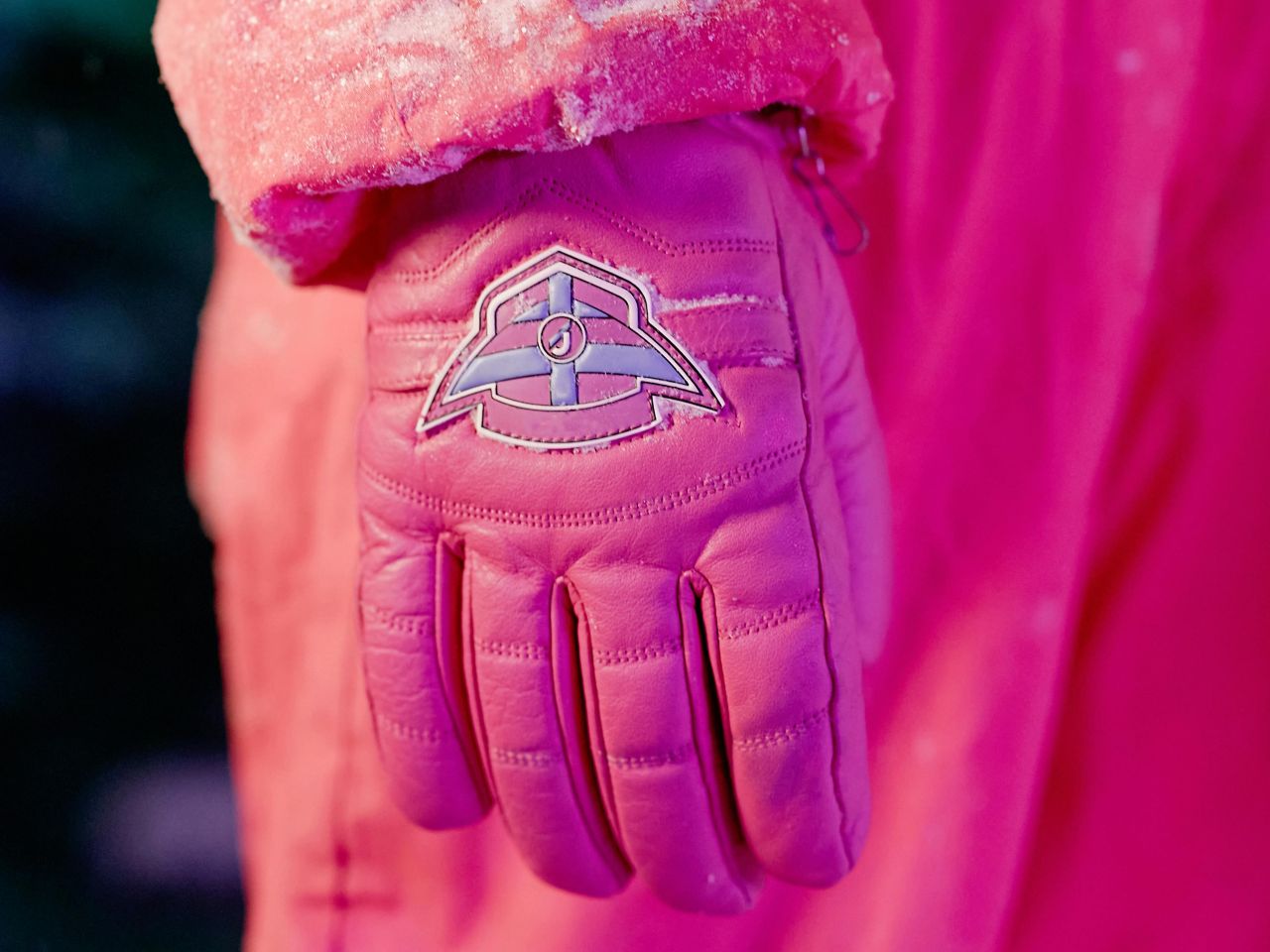
In addition to choosing the right size, material, and insulation, when buying ski gloves, it's worth paying attention to the cuff construction. It will affect both comfort and protection from snow. Shorter cuffs fit well under a jacket sleeve, medium ones are the most versatile, and long ones work well in deep snow. Internal neoprene cuffs improve sealing and help keep warmth closer to the skin.
Ventilation systems, such as zippers or perforations, support moisture wicking during intense skiing and reduce overheating of the hands. Reinforcements on the palm, thumb, and fingers improve the durability of the gloves and the certainty of grip, especially during long days on the slopes.
Online shopping and glove fitting
When buying ski gloves online, it is worth measuring your hand at least twice and carefully comparing the results with the manufacturer's chart. Sportowy Butik offers premium women's and men's ski gloves that combine functionality, modern technologies, and aesthetics. Thanks to a wide range of different models, you can easily match them, for example, to a ski jacket, pants, or helmet.
When trying on ski gloves, the most important thing is to check them in motion. Fingers should lightly touch the ends of the glove, but should not be squeezed. When clenching your hand into a fist, there should be no feeling of pressure or numbness.
Grip is very important. It is worth simulating holding poles, moving your fingers, and checking that the gloves do not restrict natural hand movements. Moreover, the cuff should fit snugly around the wrist.
FAQ – frequently asked questions
How to choose ski glove size?
The most important thing is to measure your hand circumference in centimeters and compare it with the manufacturer's size chart.
Does hand length matter when buying ski gloves?
Yes, it helps to assess whether the fingers will be too short or too long in a given model.
What to do if I am between sizes?
A smaller size gives better grip, a larger size provides more thermal comfort. The choice depends on preference.
Does the membrane affect the fit?
Yes, membrane gloves are less elastic and require a more precise size selection.
Is it worth testing gloves in motion?
Absolutely. Simulating holding poles and bending fingers is the best way to assess fit.