
















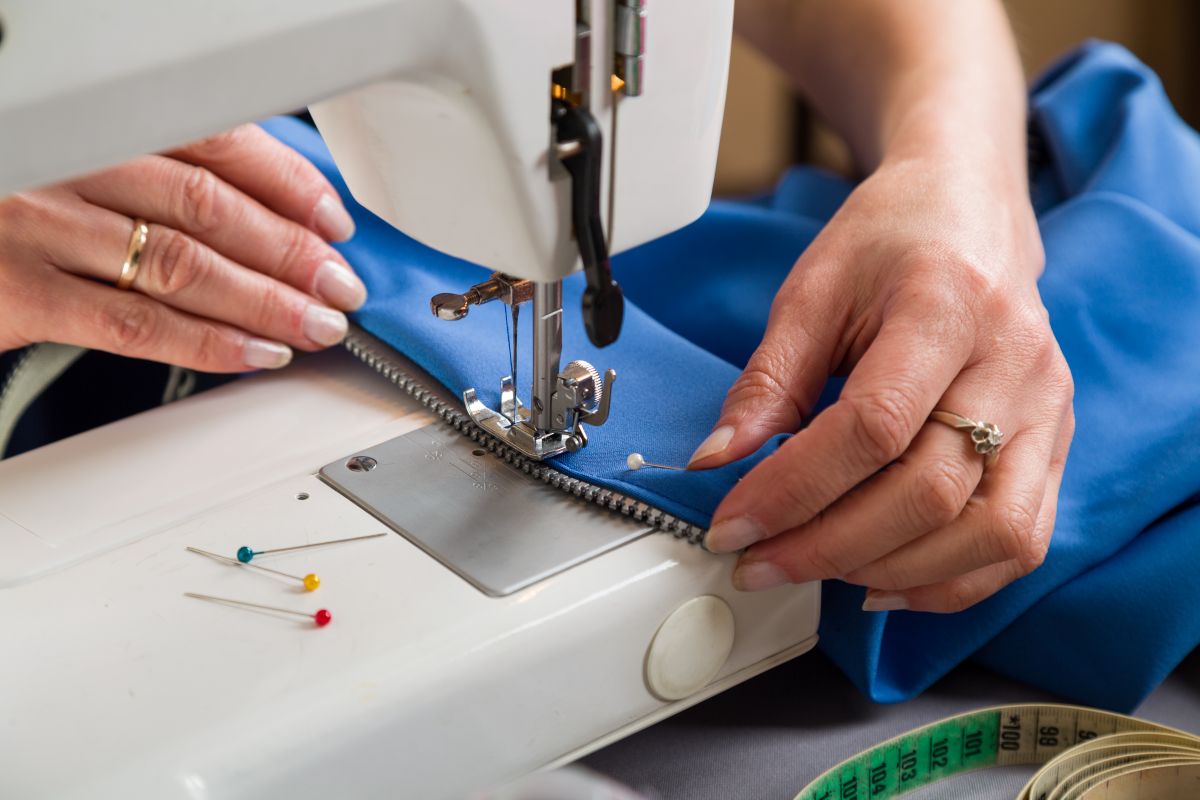
Guide to minor repairs of technical clothing: tapes, glues, zippers
Investing in high-quality outdoor gear is a long-term decision. Whether you're a skiing enthusiast or enjoy trekking in challenging terrain, your clothing works as hard as you do. However, even the most durable materials can get damaged during intensive use. Repairing technical clothing at home doesn't have to be difficult, and fixing minor issues yourself is not only a cost-saver but also an ecological approach, giving your favorite garments a second life.
In this guide, we'll show you how to safely perform minor repairs without compromising the waterproof and breathable properties of your products. You'll learn when to use glue and when professional service is necessary.
Why bother repairing sports clothing?
Good quality women's winter clothing or men's clothing is an advanced construction. Membranes, laminates, and specialized finishes provide comfort in harsh conditions. When damage occurs, we often think about replacing the gear with new. However, many issues, such as tears or abrasions, can be effectively repaired, restoring the functionality of a jacket or trousers.
DIY repair has many advantages:
-
Speed: You don't have to wait weeks for an external service to complete the job.
-
Savings: The cost of specialized glue or tape is a fraction of the price of a new jacket.
-
Satisfaction: Taking care of your own gear builds a bond with it and increases your understanding of how it works.
-
Ecology: By extending the lifespan of your clothing, you are helping the environment.
Remember, however, that the key to success is using appropriate materials. Traditional methods, like regular needle and thread stitching, can irreversibly damage the membrane by puncturing it and letting water under the fabric.
Home service kit essentials
To effectively maintain your sportswear and outdoor clothing, it's worth assembling a small repair kit. What should it contain?
-
Repair Tapes: Self-adhesive patches made of durable material (often ripstop nylon). Ideal for quickly patching holes in down jackets, tents, or sleeping bags. They are waterproof and very strong.
-
Urethane adhesive: A specialized adhesive for permanent repair. It creates a flexible, rubbery bond that is completely waterproof. Indispensable for re-bonding lifting seams or patching holes in waders and footwear.
-
Zipper repair kit: Sometimes, replacing just the slider is enough to make the zipper work properly again. It's good to have a few universal sizes.
-
Zipper lubricant: A silicone or paraffin-based stick that helps maintain the smooth operation of zippers, especially those exposed to saltwater or dirt.
Common issues and how to fix them
1. Tears and holes in the membrane
Catching on a rock or branch can result in a cut in the fabric. In the case of clothing with a membrane (e.g., Gore-Tex), absolutely avoid traditional stitching! Every needle prick is a new hole for water to seep through.
How to fix it? The best solution is special self-adhesive tapes or patches.
-
Clean the area around the damage. It must be dry and degreased.
-
Straighten the material on a flat surface.
-
Apply the patch so that it covers the tear with an overlap (min. 1 cm). Press firmly, removing air bubbles.
-
For larger damage, it's advisable to apply a patch from both sides of the material (inner and outer).
For full durability, especially in areas subject to constant flexing, urethane adhesive may be a better choice. Apply a thin layer over the tear and let it dry (usually 12-24h).
2. Peeling seam tapes
In older outdoor clothing, due to washing and use, the internal seam sealing tapes can start to come off. This is a critical point, as water most readily enters through these areas.
How to fix it? If the tape is only slightly peeling, you can try re-pressing it with an iron (through a cloth, on low heat!) to reactivate the original adhesive. If this doesn't help, use seam sealant glue.
-
Remove the old, loose tape (if it's completely detached).
-
Apply a layer of sealant along the seam with a brush.
-
Allow to dry completely.
This method also works for sealing tents and seams in backpacks.
3. Zipper problems
A jammed or separated zipper is one of the most annoying malfunctions. Often, the problem is not the tooth mechanism itself, but a worn-out slider.
How to fix it?
-
Cleaning: Start by thoroughly cleaning the zipper. Sand and dried mud are enemy number one. Use an old toothbrush and water with mild soap.
-
Lubrication: After drying, use a special zipper lubricant.
-
Slider replacement: If the zipper separates after closing, the slider is likely bent. Sometimes, gently squeezing it with pliers helps (very carefully!), but the most reliable solution is to replace the slider itself with a new one of the correct type and size.
4. Minor repairs to footwear and accessories
Your essential kit will be useful not only for clothing. Urethane adhesive is excellent for re-gluing a slightly detached rand on trekking boots. Just remember that the boots must be perfectly clean and dry before application.
In the case of backpacks, the bottom often wears out or straps tear. Here, exceptionally, strong synthetic threads and stitching can be used, but it's worth further sealing the stitched area with glue to protect it from moisture.
When to send equipment for professional service?
Despite best intentions, not every defect can be fixed at home. Women's ski jackets or advanced alpine trousers are complex constructions.
Use professional services when:
-
The damage is extensive: A large material tear requiring a new panel to be inserted.
-
The main zipper needs replacing: Unstitching and sewing in a new waterproof zipper is a difficult task, requiring specialized machinery to avoid damaging the laminate.
-
Tailoring alterations are needed: Professional shortening of sleeves or trouser legs in membrane clothing requires re-taping the seams, which is difficult to do at home without proper equipment.
-
The clothing is under warranty: Self-intervention may result in its loss.
Caring for equipment is also a form of repair
The best way to avoid failure is prevention. Regular washing of sportswear with appropriate products (not regular detergent!) removes dirt that can damage the membrane and clog pores. Clean clothing is less likely to be damaged, and zippers operate more smoothly. Remember that even the best materials lose their durability over time if not cared for. Proper care significantly helps to extend the life of your favorite products.
DIY repairs bring immense satisfaction. Thanks to them, your favorite clothing can serve you for many seasons to come, and you can be sure it won't let you down on the trail.
FAQ - Frequently Asked Questions
1. Can I use regular "super glue" to repair a membrane jacket?
We strongly advise against using cyanoacrylate adhesives (like "super glue"). They become rigid when dry, can brittle the delicate membrane material, and are not flexible, which will lead to re-cracking with the first movement. For technical clothing, only dedicated, flexible urethane adhesives should be used.
2. Can a repair patch be machine washed?
Yes, high-quality self-adhesive patches and repairs made with urethane adhesive are water-resistant and can be washed. However, we recommend waiting at least 72 hours after the repair before the first wash to allow the adhesive to achieve full strength, even in water.
3. How to fix a small hole from a campfire spark in a down jacket?
The quickest and most effective way is to use a small, round, self-adhesive nylon patch. This will prevent down from escaping. It's important to push any protruding down back inside before applying the patch, rather than pulling it out!