









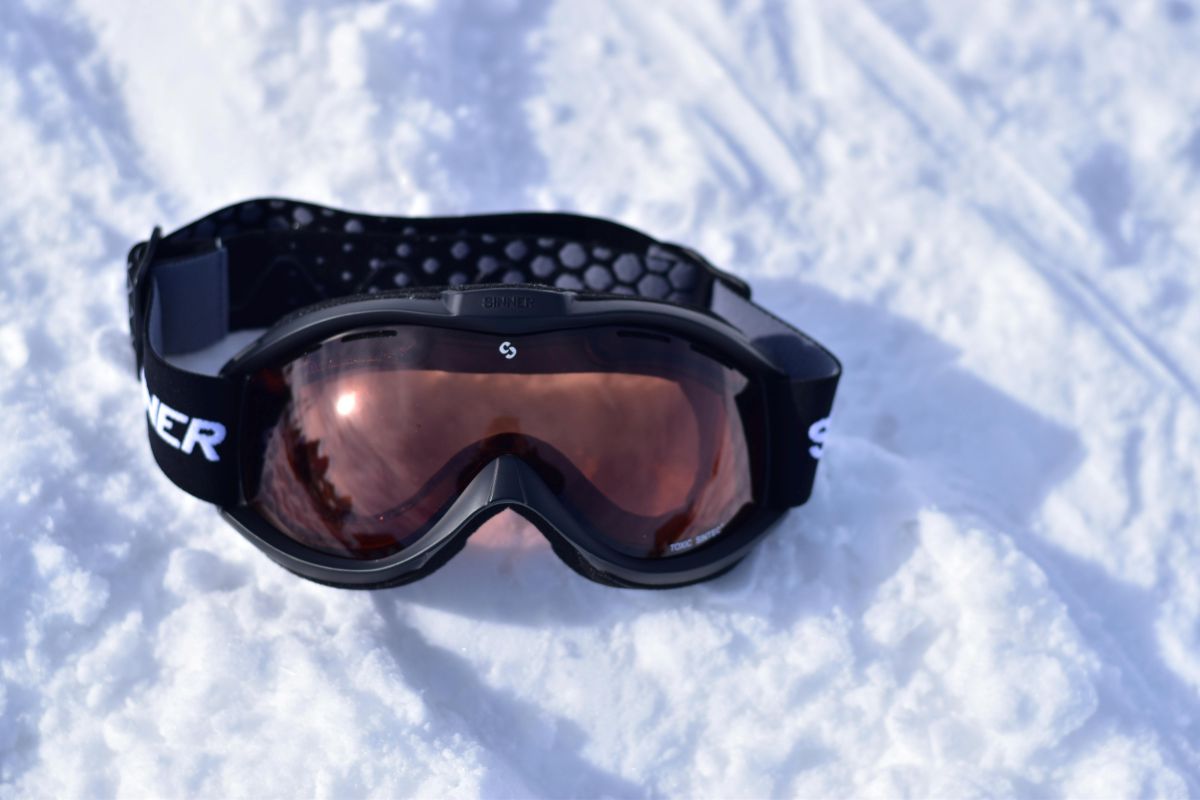
Cases, anti-fog inserts, and replacement lenses – a guide to ski goggle accessories
Cases, anti-fog inserts and interchangeable lenses – a guide to ski goggle accessories
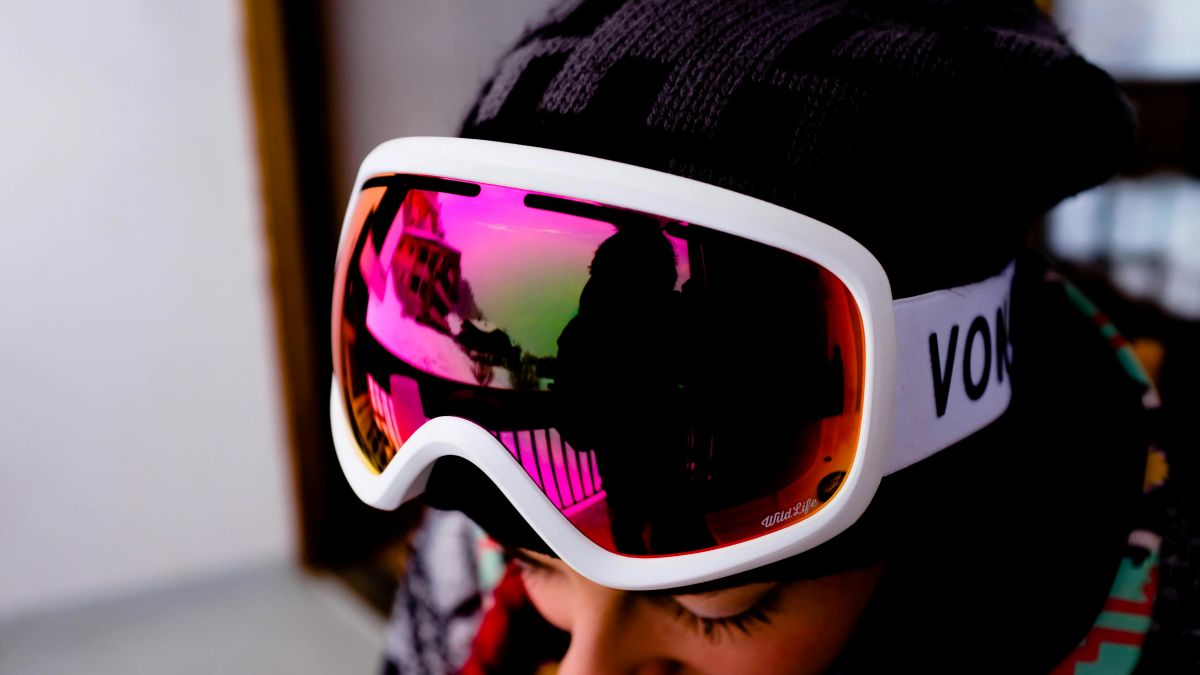
When planning a ski trip, we usually focus on choosing the right jumpsuit, skis or boots. However, it is often the details that determine whether our day on the slopes will be full of comfort or a struggle with foggy lenses and limited visibility. Ski goggles are one of the most important pieces of equipment that protect our eyes from wind, frost and harmful UV radiation. To fully exploit their potential, it is worth knowing what ski goggle accessories can significantly improve the quality of our winter activities.
What ski goggle accessories are worth having in your equipment?
The choice of appropriate additions is not only a matter of aesthetics, but above all functionality. Professional ski equipment in the premium segment, such as products from brands like Oakley, POC or Goldbergh, offers a wide range of customization and protection options. The basis are interchangeable lenses, which allow you to adapt the goggles to the conditions on the slope. Equally important are accessories that protect the delicate lenses from scratches, such as dedicated cases or microfiber pouches.
For those who value reliability, must-have items also include technical solutions to prevent fogging. Modern ski goggles are designed so that the ventilation system is as efficient as possible, but additional support in the form of anti-fog inserts or advanced coatings can prove invaluable in difficult conditions.
Interchangeable lenses – the key to excellent visibility
The heart of any goggles are their lenses. While standard models have a single, universal lens, the premium segment focuses on the solution of interchangeable lenses. This is extremely important because weather conditions in the mountains can change in the blink of an eye.
When choosing goggles and additional lenses, you should pay attention to the light transmission (VLT) parameter. For sunny days, lenses with a low VLT (categories S3 or S4) work best, effectively blocking intense sunlight. In contrast, on cloudy days or when skiing at night, bright lenses (categories S0 or S1) will be essential to maximize the amount of incoming light.
Innovative technologies, such as Prizm or Sigma lenses, not only filter light but also improve contrast. This provides the skier with a sharper view, allowing them to spot moguls or icy patches on the slope more quickly. It is worth adding that spherical goggles usually offer a wide field of vision and fewer distortions than cylindrical models, which translates into greater safety and comfort.
Protection of lens surfaces and storage
Even the best ski goggles will lose their properties if their lenses get scratched. Damage to the lens surface is often irreversible and can cause irritating light reflections. Therefore, it is worth investing in a solid case. A hard case is the best protection during transport in a bag with boots or a helmet.
If your goggles tend to collect moisture after an intense descent, remember never to wipe their inner side with a dirty glove. Special microfiber cloths, often included with sets, are the only safe tool. The delicate double lens requires careful handling to avoid damaging the layer that absorbs moisture.
Comfort and fit: goggles and ski helmet
The proper selection of ski goggles is not only a matter of their optical parameters but also their harmony with the rest of the equipment. The ski helmet and goggles should form a cohesive whole. When trying them on, check that the top of the frame fits perfectly against the edge of the helmet (the so-called gapless fit). If the goggles rest on the helmet's contour too low, they may pinch the nose, which significantly reduces comfort.
For those who wear prescription glasses, OTG (Over The Glass) models are an ideal solution. They have special cutouts in the foam that allow for comfortable fitting of glasses under the goggles without causing pressure. In this case, the appropriate size and depth of the frame are crucial for comfortable use.
Ventilation systems and anti-fog coating
The biggest enemy of a skier is water vapor. To prevent fogging, manufacturers use advanced ventilation openings. In modern ski goggles, ventilation occurs both through the frame and through the lens itself (ventilated lens).
An important element is the anti-fog coating, which is applied to the inside of the lenses. In combination with systems that remove warm air to the outside, you can be sure that your field of vision will remain clear even during great exertion in the higher parts of the mountains. Good goggles also have filters that block snow and moisture from entering, while allowing free air circulation.
Advanced technology for the demanding
Sportowy Butik customers often seek products that combine luxurious design with the highest level of technological advancement. It is worth noting that the price of high-end goggles reflects the materials used in them. The use of carbon, aerospace aluminum, or top-class polycarbonate ensures that ski equipment will last for many seasons.
An excellent example is goggles with a photochromic function. In this case, the lenses should react to the intensity of UV light, automatically darkening in the sun and lightening in the shade. This solution makes a ski trip easier – you don't have to carry interchangeable lenses with you, as one pair of lenses handles all lighting conditions.
Simple care tips
-
Drying: After each day on the slopes, remove your goggles from their case and allow them to dry at room temperature. Do not place them directly on a radiator.
-
Cleaning: Only use dedicated lens cleaning fluids and soft cloths. Avoid paper towels, which can scratch the lenses.
-
Storage: Always keep your goggles in a pouch or case when not in use.
When choosing accessories, do not forget about elements such as boots or appropriate clothing, but remember that ski goggles are your window to the world during descents. Equally important as style, is your vision, and only proven, branded products equipped with appropriate UV filters will provide it with the best protection.
By following these simple tips, your first trip of the new season will be a complete success. Remember that better fit and good visibility will only be achieved if you take a moment to choose ski goggles and match them to your helmet. The comfort you gain is invaluable, and the certainty that your vision is protected from harmful radiation will allow you to fully enjoy the charms of winter.
FAQ – Frequently Asked Questions
1. Is it worth buying interchangeable lenses for goggles? Absolutely yes.
Having at least two types of lenses – for sunny weather and for poorer visibility (fog, snowfall) – is key to safety. Many premium brands offer quick, magnetic exchange systems, allowing you to change lenses even with gloves on directly at the lift.
2. How to prevent goggles from fogging up if I wear prescription glasses?
It is best to choose OTG ski goggles, which have increased internal volume, improving air circulation around the spectacle frames. Additionally, it is worth checking whether the ventilation system in the helmet does not block the openings in the goggles. You can also use special anti-fog sprays designed for prescription glasses.
3. What is the difference between spherical and cylindrical goggles?
Spherical goggles have a lens curved both vertically and horizontally, resembling the shape of an eye. This provides less image distortion and a wider field of view. Cylindrical goggles are curved only horizontally – they are usually sleeker and more often chosen for their classic look, but may offer slightly less depth perception.
We invite you to explore our offer, where you will find women's ski goggles, combining elegance with the latest technology. If you are looking for complete safety, also check out our women's ski helmets, including innovative ski helmets with visors, which eliminate the need for separate goggles. All the necessary ski equipment awaits you at Sportowy Butik – a place where passion for sport meets luxury.