










Compression: when does it make sense in winter (training, recovery) and what should you look out for?
Frost, the first breath outdoors, and the moment when the body hasn't quite "caught its rhythm" yet. In winter, training starts slower, muscles are stiffer, and recovery after exertion can take longer than in summer. It is precisely in such conditions that compression begins to work in your favor.
Well-chosen compression apparel doesn't work miracles overnight, but it can noticeably organize what's happening with your muscles. It supports circulation, helps reduce swelling, and alleviates post-workout fatigue. And in winter, even more benefits emerge…
How does compression work in winter?
It works through external pressure, which supports the return of venous blood to the heart. Thanks to this, muscles can more efficiently receive oxygen and nutrients, and the body eliminates metabolites produced during exertion faster. This mechanism is responsible for some of the benefits that users of compression apparel experience after training. This translates into less swelling, faster recovery, and a milder sensation of muscle fatigue.
In winter, compression gains an additional dimension. Compression apparel not only compresses but also helps maintain warmth against the skin and wicks away moisture more efficiently. This is important during outdoor workouts because chilled muscles tolerate exertion less well, stiffen faster, and consequently are more prone to cramps and injuries.
Compression and swelling and blood stagnation after exertion
One of the applications of compression in winter is to reduce swelling after intense exertion. Mechanical pressure supports venous and lymphatic drainage, so blood does not easily accumulate in the lower parts of the body. This is especially important after leg workouts, travel after competitions, or exertion after which limbs feel "heavy."
However, one thing must be emphasized: compression only works when the apparel is well-fitted. A poorly chosen model can hinder circulation instead of supporting it. If numbness, tingling, or a feeling of excessive tightness occurs, use should be discontinued.
Compression level in winter
The most important parameter in this context is pressure strength. There are three basic levels of compression:
- light – below 15 mmHg,
- recovery – 15–30 mmHg,
- medical applications – above 30 mmHg.
If the apparel has a pressure above 30 mmHg, you are entering an area that requires consultation with a doctor. For regenerative purposes, the recommended range is approximately 15–30 mmHg. This level supports blood flow and venous drainage, while not restricting tissue perfusion.
It is worth remembering that different body parts may react differently. Calves, thighs, or the knee area do not always need identical support.
When does compression make sense during, and when after, training?
During moderate training, compression can support muscle stabilization and reduce their vibrations. This is particularly important for the work of the quadriceps, calves, and other body parts that perform repetitive movements for an extended period. Less vibration means fewer micro-injuries and better movement control.
Well-chosen compression apparel also has a beneficial effect on proprioception, i.e., the sense of body position. The body "reads" movement better, which can help maintain technique during fatigue.
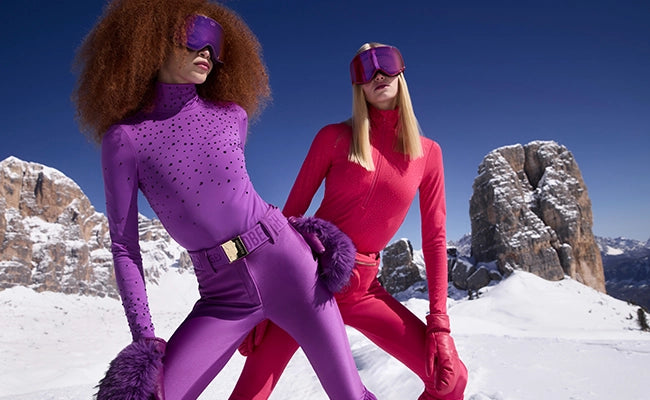
In winter, an additional thermal effect similar to that offered by skiwear is added. Compression then helps maintain the temperature of working muscles.
Note: if the material restricts range of motion or causes pressure with the base layer and jacket, the effect ceases to be beneficial.
When does compression make sense after training?
Compression is most often discussed in the context of regeneration, and it is here that many people experience its effects best. After exertion, compression apparel supports circulation, helps limit blood stagnation, and reduces swelling. This, in turn, can shorten the time it takes to return to full fitness.
After a strenuous winter workout, compression also helps in situations where the body quickly cools down after stopping. A well-chosen compression layer maintains local warmth, while not blocking moisture wicking. Thanks to this, muscles do not transition so abruptly from work to stiffness and discomfort.
How to choose compression apparel so it doesn't harm you?
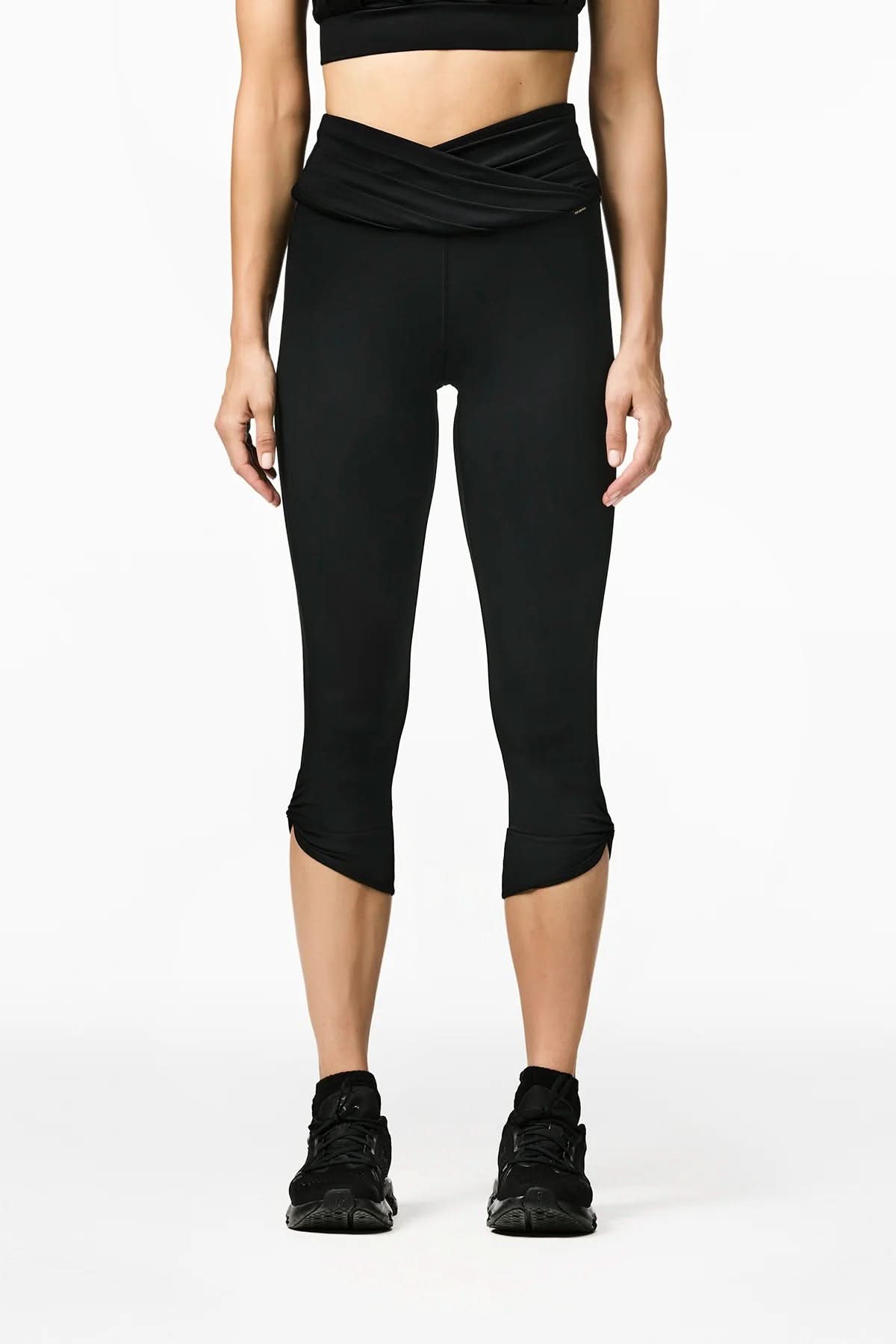
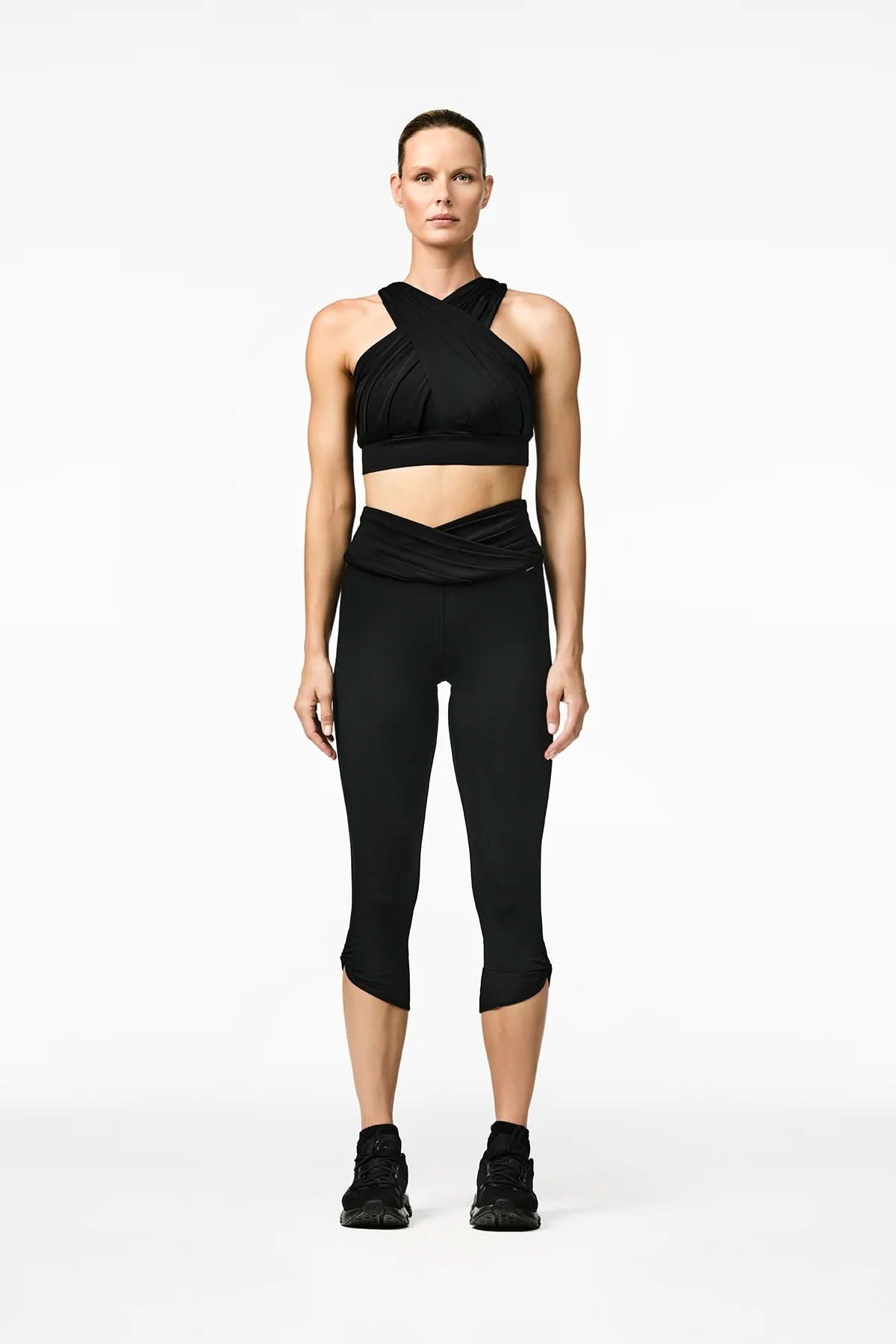
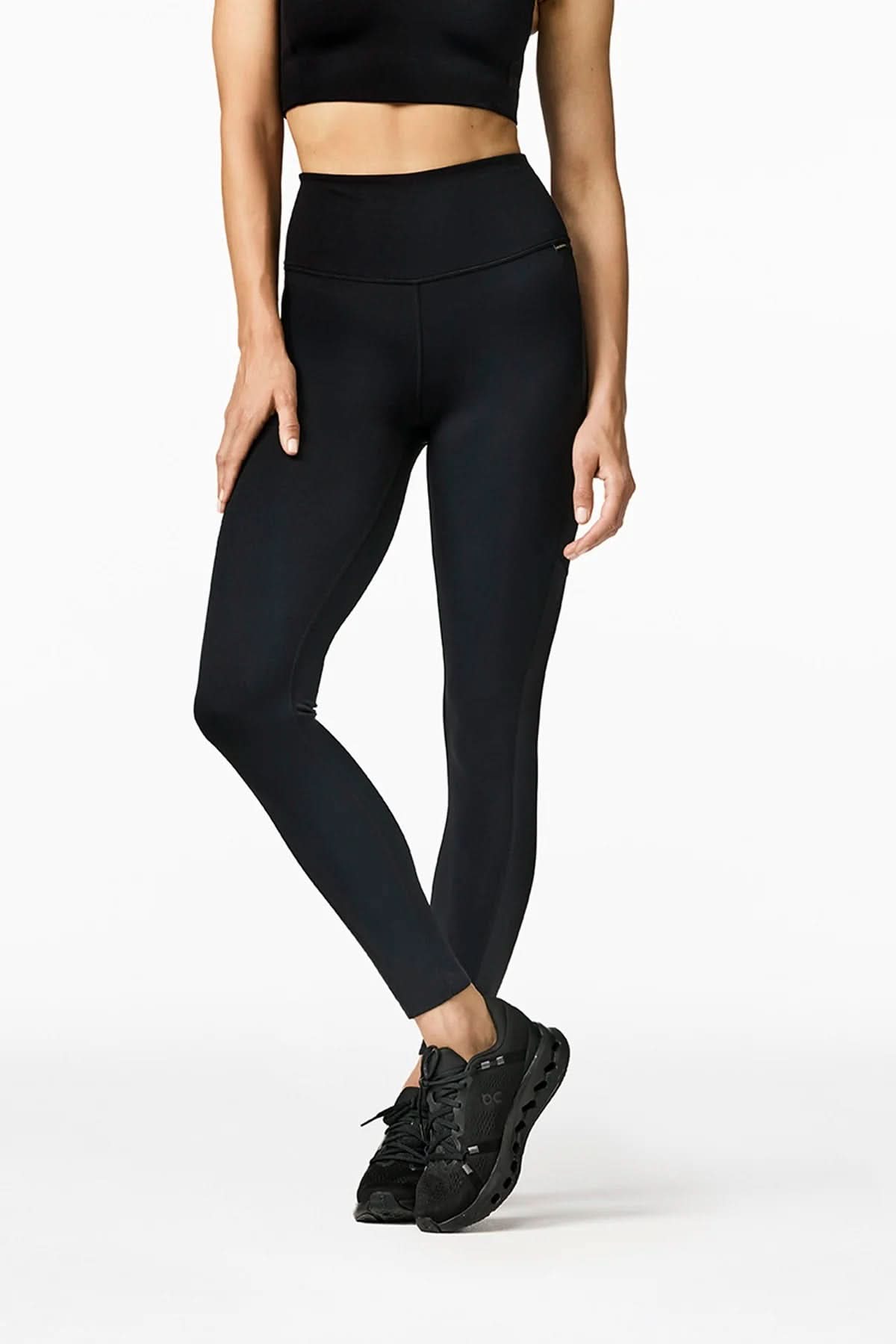
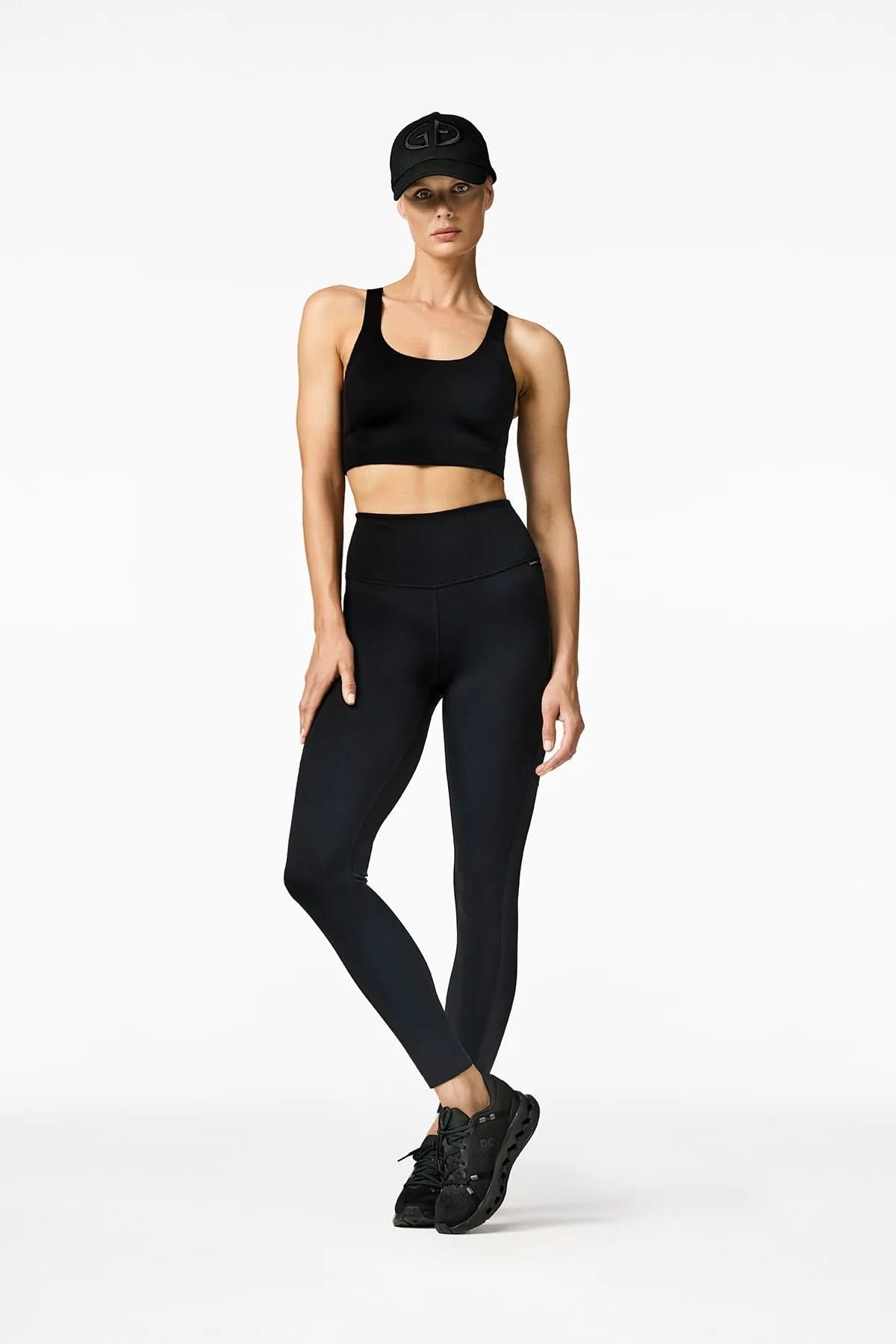
Compression apparel should adhere to the body without folds or creases, but it must not restrict movement or cause pressure on the chest or abdomen. Compression is meant to support circulation, not block it.
Compression apparel sizes
Measure the circumference of your ankle, calf, and thigh with a tape measure. Compare the result with the manufacturer's chart. Remember to try on the apparel while standing and check if:
- the material does not form folds,
- nothing slides down,
- nothing digs in excessively,
- the full range of motion is maintained.
When trying it on, it is worth performing a few movements: squats, bends, walking, light twists. If the apparel is to be a base layer under a jacket or winter trousers, also check if the fit does not change after adding subsequent layers. Too tightly arranged layers can increase pressure more than the manufacturer intended.
Compression helps in injury prevention
Compression can support injury prevention, but it should not be treated as a universal safeguard. Its role mainly consists of:
- tissue stabilization,
- reducing muscle vibrations,
- improving proprioception.
This can reduce the risk of overuse injuries and some micro-injuries during regular training.
In winter, this is even more important because cold increases tissue stiffness. If muscles are better warmed, more stable, and less prone to excessive vibrations, it is easier to maintain their readiness for work.
It is worth remembering, however, that compression works best as part of a larger system. If it is complemented by a warm-up, appropriate clothing, good technique, and a sensible training load, the effect is better than when compression apparel is treated as a standalone protection against injury.
Summary
Compression in winter makes sense when it supports a specific goal: training, recovery, or localized stabilization. Well-chosen compression apparel can bring a range of benefits, but most depends on the fit. Above all, attention should be paid to the pressure, which should be noticeable but must not cause: tingling, numbness, pain, or skin discoloration.
In turn, compression in winter does not replace a training plan, rest, or sensible recovery. However, if used appropriately, it will become a proper complement to them.