









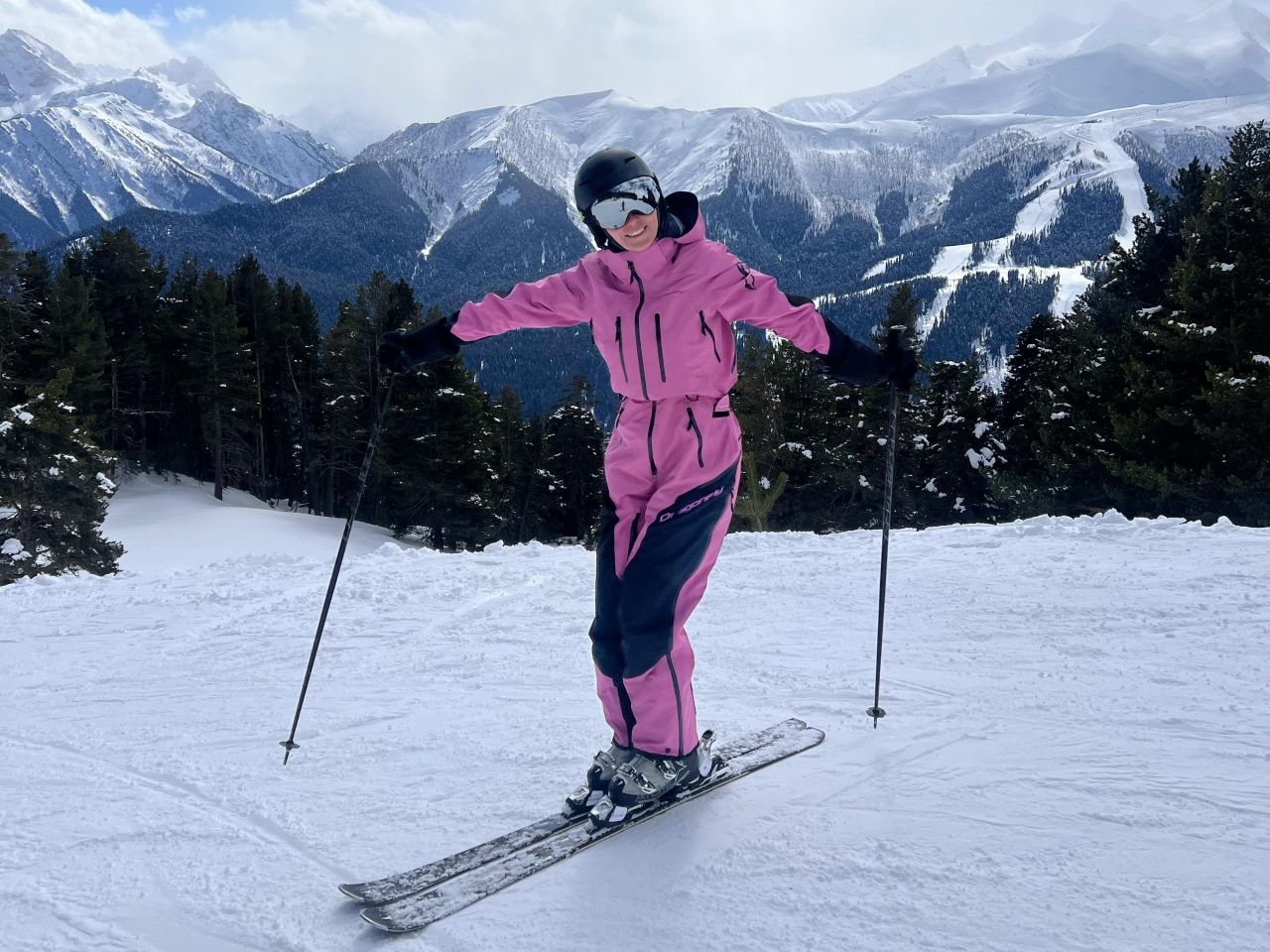
Ski suit – for whom, how to choose the size and cut?
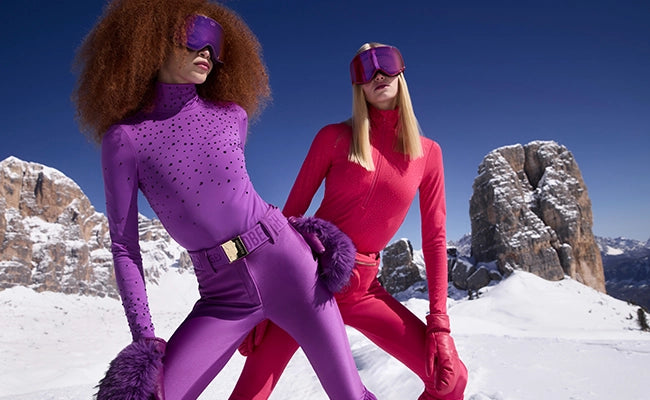
A ski suit is an outfit that effectively protects against cold, snow, and wind, while simplifying the process of putting together an on-piste look. A well-chosen model creates a tighter barrier than a classic jacket and pants set. It is this design that makes the ski suit so comfortable when skiing, falling, and standing in the cold.
Its advantage does not end with protection from capricious weather. For whom is a ski suit a good choice? What should you consider when choosing one? Let's find out!
Comfort on the slopes starts with the cut
A ski suit makes sense when it fits well and doesn't restrict movement. This is one of its biggest advantages, but only if the size and cut are well-chosen.
- Too tight a model – flattens clothing layers and impairs insulation.
- Too loose – impairs movement control, increases air resistance, and can interfere with skiing.
The right cut allows for a full range of motion. More specifically, you can freely turn, bend your knees, lean, and raise your arms – all without feeling a pull on your back or shoulders.
Practical advice
It's worth leaving a slight allowance for base layers and mid-layers. Around the shoulders, elbows, and knees, it's good to have a small amount of slack so that the material doesn't restrict movement. Sleeves and pant legs can be slightly longer to prevent skin exposure when bending.
One-piece or two-piece ski suit – which to choose?
A ski suit doesn't always mean exactly the same thing. There are one-piece and two-piece models available on the market, which differ in comfort, tightness, and usage.
A one-piece model better restricts the penetration of snow and cold air. It works more cohesively because there is no connection point between the jacket and pants. This is a good option for people who prioritize:
- the best possible insulation,
- simplicity of use,
- complete tightness when skiing, falling, or playing in the snow.
A two-piece variant offers more flexibility. It's easier to adjust layers, fit the top and bottom separately, and using the restroom is simply more convenient. Such an outfit can be more versatile, especially if you also want to use it off the slopes.
The material of a ski suit is more important than it seems at first glance
How well a ski suit performs on the slopes largely depends on the fabric and the technologies used. The material is responsible for waterproofing, breathability, and durability – these parameters determine whether you will feel comfortable or wet and overheated after a few hours of skiing.
Synthetic fabrics such as polyester and nylon are most commonly used in ski suits. Not without reason. They are lightweight, durable, and work well with membranes and impregnations. More advanced models feature ripstop nylon, PU coatings, and reinforcements in areas prone to abrasion.
Functional solutions that are useful on the slopes
A good ski suit isn't just about material and cut. Its usability is also determined by practical solutions that make it easier to use the outfit all day long:
- ventilation zippers – help regulate temperature without removing layers. This is very useful when the weather changes or when the morning is cold, but it gets warmer later;
- skipass pocket at the cuff – speeds up lift access;
- internal pockets – allow you to safely store your phone or documents;
- side pockets – provide easy access to small items such as tissues or money.
Snow gaiters, adjustable cuffs, and reinforced seams are also very important.
For whom does a ski suit make the most sense?
A ski suit is not a solution for just one group of users. It works well for many people, but four groups particularly benefit from it.
Children
They appreciate the simplicity of dressing and better protection from snow. A ski suit prevents the jacket from riding up and reduces the risk of getting wet while playing, sitting in the snow, or falling frequently. This is also practical for parents, as the entire set is more predictable to use.
Beginner skiers
They gain a greater sense of security. A one-piece model or a well-fitted cut limits exposed areas and simplifies the process of layering. In the learning phase, a ski suit is a big plus because fewer things distract and fewer things need to be controlled simultaneously.
Snowboarders
They value ski suits for freedom of movement and protection from snow during falls. With frequent contact with the ground, the tightness of the suit becomes a huge advantage.
People who get cold easily
This group, in turn, chooses ski suits because such a cut retains heat better and more effectively insulates against moisture and wind. Thanks to this, they can spend more time enjoying winter activities.
Ski suit off the slopes. Does it make sense or not?
One of the strongest arguments for buying a ski suit is its versatility. It's not just an outfit for skiing. A well-chosen model works well during:
- winter walks,
- short trips,
- playing in the snow,
- commuting on cold days.
This versatility stems from its technical features. Waterproofing, breathability, and practical pockets are important not only on the slopes. If you often spend time outdoors in winter, a ski suit can be used much more frequently than you initially assume. This improves the cost-effectiveness of the purchase.
Models with a detachable hood, waist adjustment, and a toned-down cut are also easier to use outside of a sporting context. When you add the right color and a simple design, a ski suit becomes an interesting element of winter styling.
Summary
A ski suit is worth choosing when you prioritize tightness and comfort. Such an outfit protects against cold, snow, or wind, without shifting while skiing. If it has a well-chosen cut, it provides a full range of motion and does not expose the back like a classic set of pants and a jacket.
Its strengths are not limited to the slopes. Thanks to modern fabrics, membranes, and functional details, a ski suit can also prove useful during other outdoor activities.
If you value protection, comfort, and ease of use, a ski suit is one of the most practical choices for winter!