






















When to replace your ski helmet? Safety standards and signs of wear
A ski helmet should be replaced after a serious impact, when there is visible damage, or when the materials lose their properties. This is equipment that only works when it is fully functional. Even if it looks good from the outside, its internal structure may already be weakened.
How do you know that a ski helmet is already worn out? What safety standards should you check? We answer!
When should a ski helmet be replaced immediately?
It should be replaced immediately after any serious fall or collision. This applies to situations where the head made contact with the ground, an obstacle, or another skier.
EPS foam absorbs energy by deforming. After such an event, the helmet may have micro-cracks that are not visible to the naked eye. Even if the shell looks good, its ability to absorb subsequent impacts may already be limited.
Situations requiring immediate replacement include:
- collision with another skier,
- falling onto a hard surface,
- hitting a tree, rock, or barrier,
- any head impact after which you feel the force of contact.
How often should a ski helmet be replaced?
A ski helmet is usually replaced every 3-5 years of use. This range is due to the natural aging of materials and their gradual degradation.
EPS foam eventually loses its energy-absorbing capacity. The shell becomes less impact-resistant, and the adjustment elements wear out mechanically. Intensive use further accelerates this process.
Factors affecting lifespan include:
- frequency of skiing,
- number of falls,
- exposure to UV radiation,
- storage method,
- contact with moisture and sweat.
The maximum age of a helmet should not exceed approximately 10 years from the date of manufacture. This is the upper limit that should not be exceeded, even if the equipment looks good. Helmets used daily (for example, by instructors) wear out faster. In such cases, replacement may be needed even more frequently.
Helmets lose properties over time
The materials used in helmets degrade. Even without falls, their structure changes under the influence of external conditions.
The most important factors affecting the properties of a ski helmet are:
- UV radiation - long-term sun exposure weakens the shell;
- high temperatures and their changes - cause micro-cracks,
- moisture,
- aggressive cleaning agents - chemicals can damage the foam and protective coatings.
A change in color (e.g., fading or yellowing) may be a sign that the material is losing its properties. Don't wait – get a new helmet!
Not every scratch means the helmet needs to be replaced
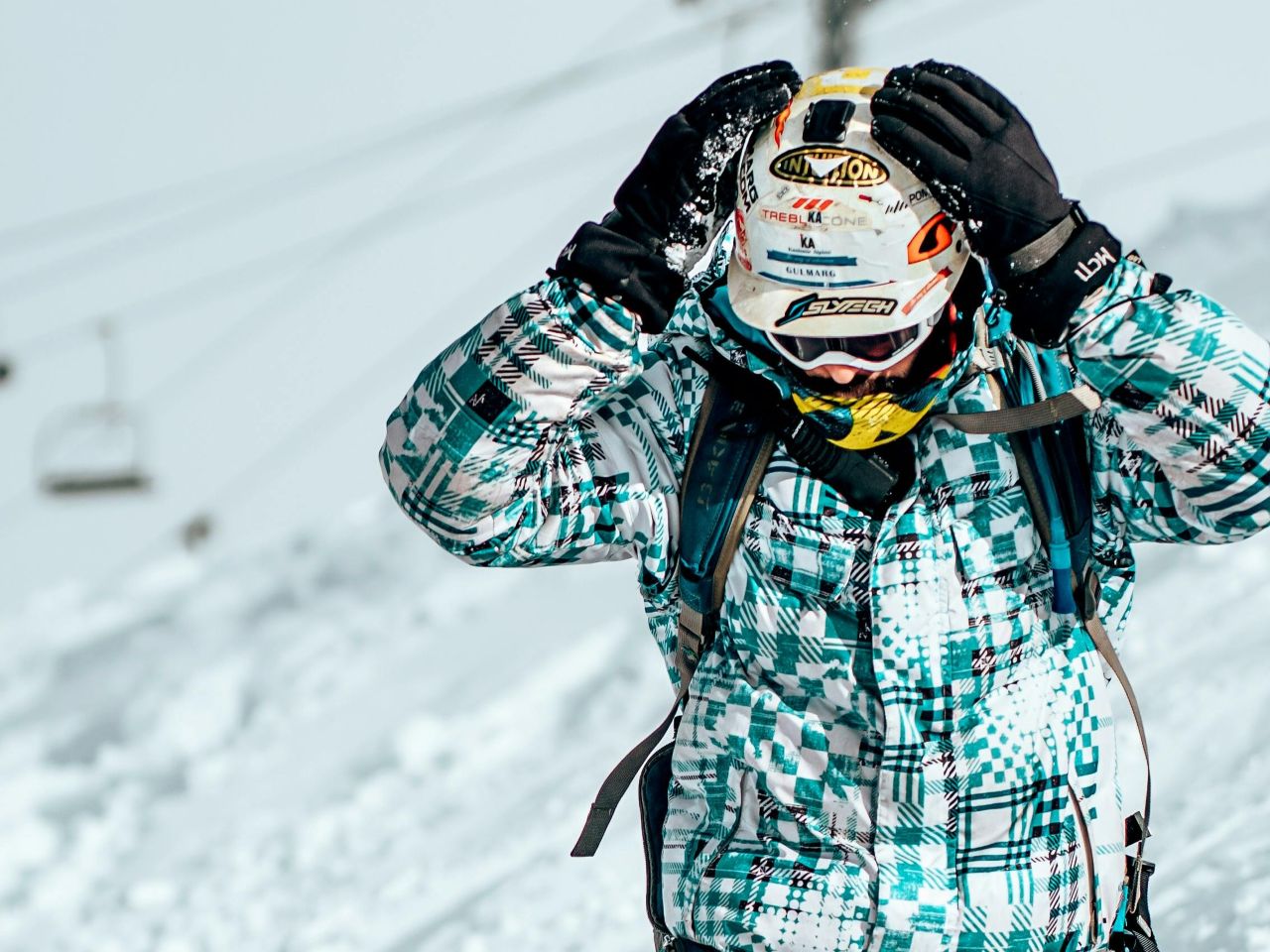
Not every scratch means the helmet is ready for the bin. Superficial marks occur during normal use - from transport, putting down equipment, or contact with skis. If they do not damage the shell structure, they are only of aesthetic significance and do not affect the level of protection.
However, the most important thing is to distinguish between a cosmetic scratch and structural damage. The problem begins when the mark is no longer superficial and goes deeper into the material.
Pay attention to four warning signs:
- depth of the scratch - if it's not just a "paint scratch" but reaches the load-bearing layer, it can weaken the shell;
- palpable under the finger - a distinct edge means that the material has been damaged, not just scuffed;
- deformation around the damage - even a small dent changes the way energy is dissipated upon impact;
- cracks (including hairline cracks) - thin lines can indicate micro-damage to the structure and enlarge over time.
Additionally, it's worth checking the inside of the helmet. Remove the lining and examine the EPS foam. If there are cracks, chips, or soft sections in the area of the scratch, the helmet has lost some of its shock-absorbing properties.
The line is simple: if you are in doubt whether it's still a superficial scratch or already structural damage, err on the side of safety. A helmet does not give a second chance after another impact.
Safety standards for ski helmets
A helmet for winter adventures should meet safety standards. In Europe, the EN 1077 standard applies, while in North America, it's ASTM F-2040.
These standards define:
- energy absorption capacity,
- puncture resistance,
- fastener strength,
- behavior in low temperatures.
The EN 1077 standard divides helmets into two classes:
- Class A – greater head coverage,
- Class B – lighter weight and construction.
The certificate confirms that the helmet meets testing requirements. However, it does not mean that it will perform the same throughout its entire service life. Material wear still requires regular inspection.
How to complete your slope look with a helmet?
A ski helmet doesn't have to ruin your style. It can be incorporated into a cohesive outfit that looks good and performs well in real conditions.
Color scheme – simpler sets work better
It's easiest to build a cohesive style around 2-3 colors. If the helmet is black, white, or graphite, you have a lot of freedom - it goes with virtually everything. For strong colors or glossy surfaces, it's better to limit the rest of the palette.
Avoid mixing many intense colors without a common denominator. On the slopes, it quickly turns into chaos.
Helmet + goggles – visual and technical matching
Goggles should match the helmet not only in appearance but also in shape. A gap between them spoils the effect and reduces comfort.
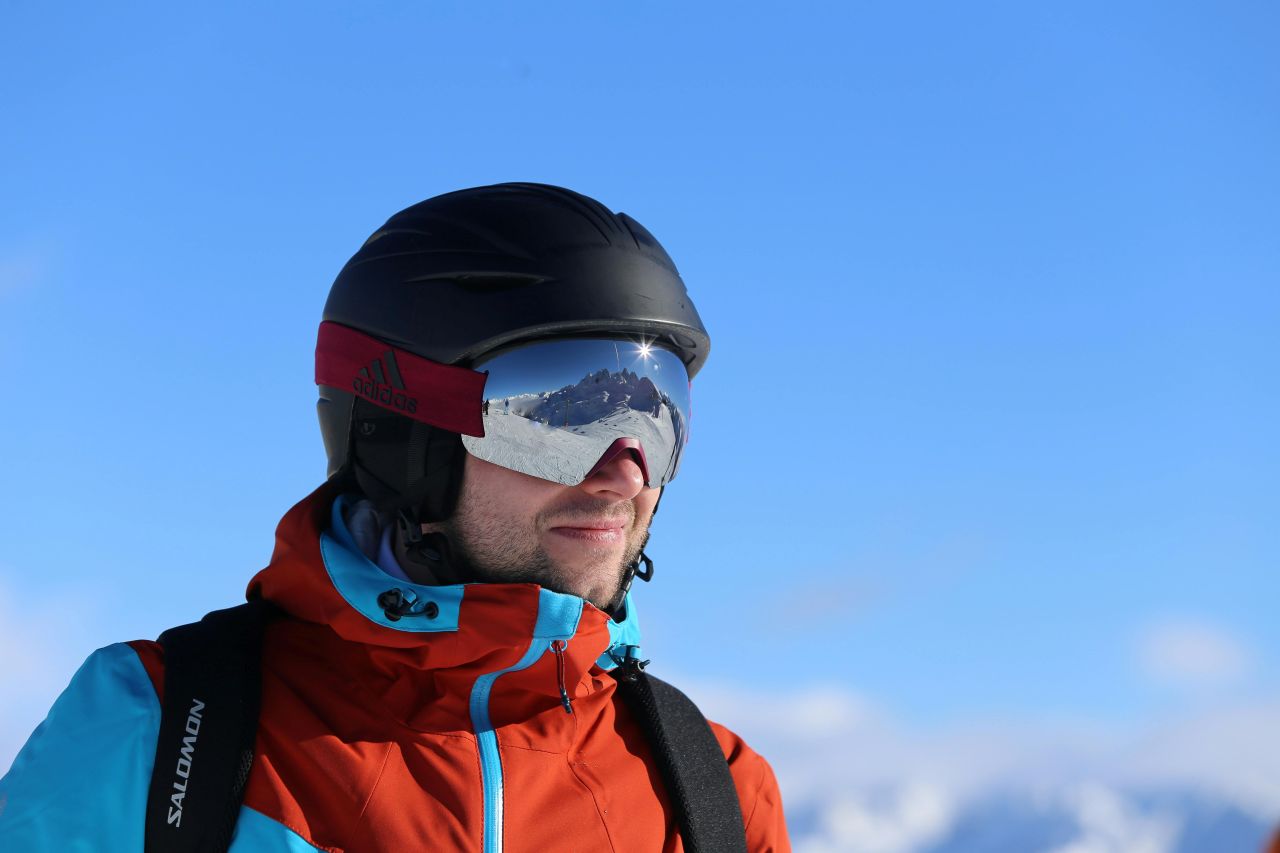
The goggle lens can be a stylistic element. Mirrored or high-contrast lenses attract attention (but it's worth pairing them with a simpler outfit).
Jacket and pants – the base of the style
Ski apparel creates most of the visual effect. The helmet should complement it, not dominate.
Two schemes work well:
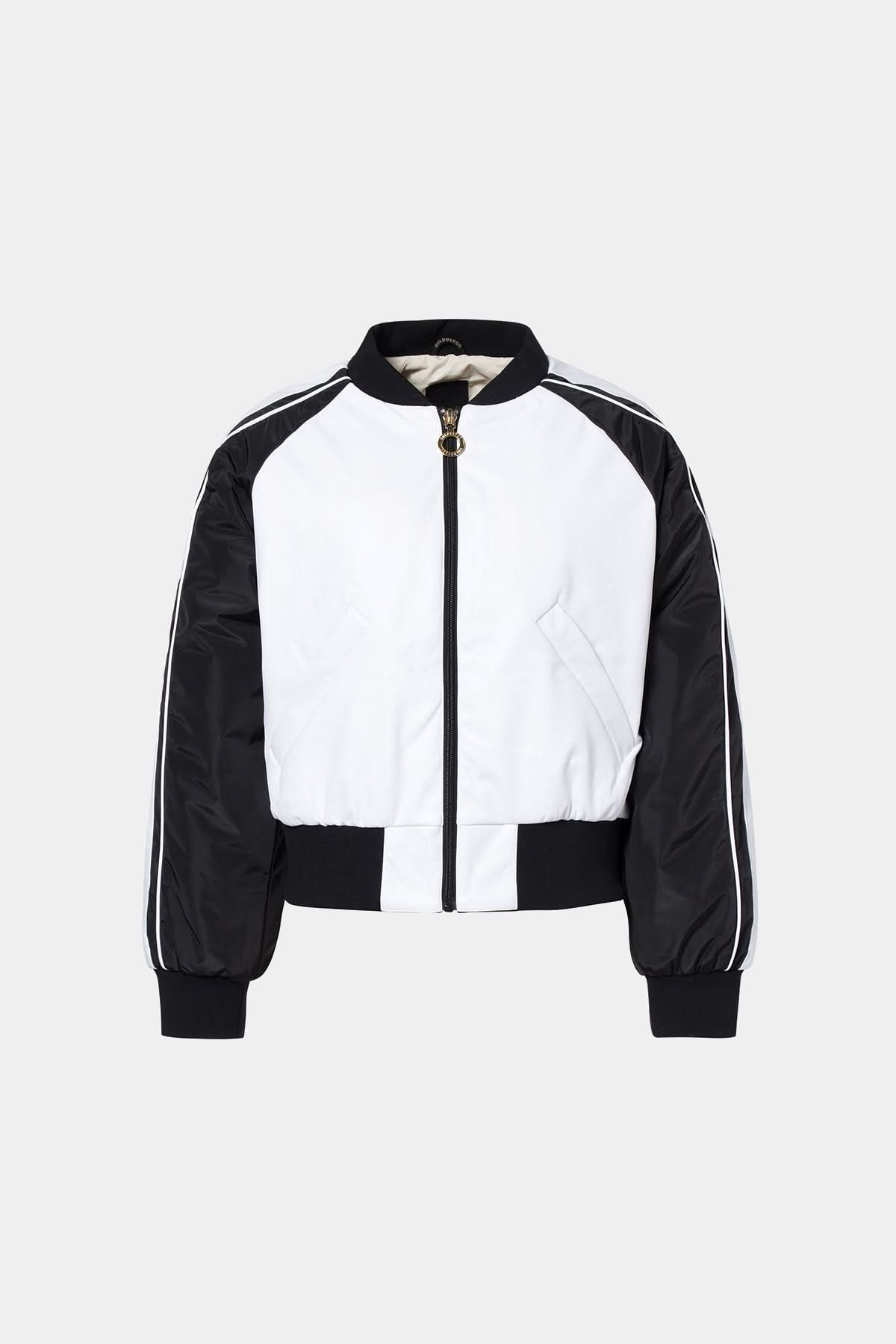
- distinctive jacket + neutral helmet – a safe and versatile option,
- subdued jacket + helmet as an accent – a more characteristic look.
Details that make a difference
Small details influence the final effect:
- gloves color-matched to the helmet or goggles,
- a neck gaiter or buff in a consistent tone,
- no random elements "from another set."
Summary
A ski helmet only works when its structure is intact. After a serious impact, it loses some of its properties and is unsuitable for further use. Over time, it also wears out without falls, which is why inspection and planned replacement are of fundamental importance.