













Sweatshirts and fleeces for winter: what material and weight will work for you?
Humid air, wind, and sub-zero temperatures intensify the feeling of cold. Therefore, a suitable wardrobe is essential, one that is both comfortable and provides thermal comfort – even during outdoor physical activity. Sweatshirts and fleeces are excellent insulating layers. We'll show you which sweatshirt or fleece to choose to enjoy warmth and freedom of movement.
What to choose for winter – fleece or sweatshirt?
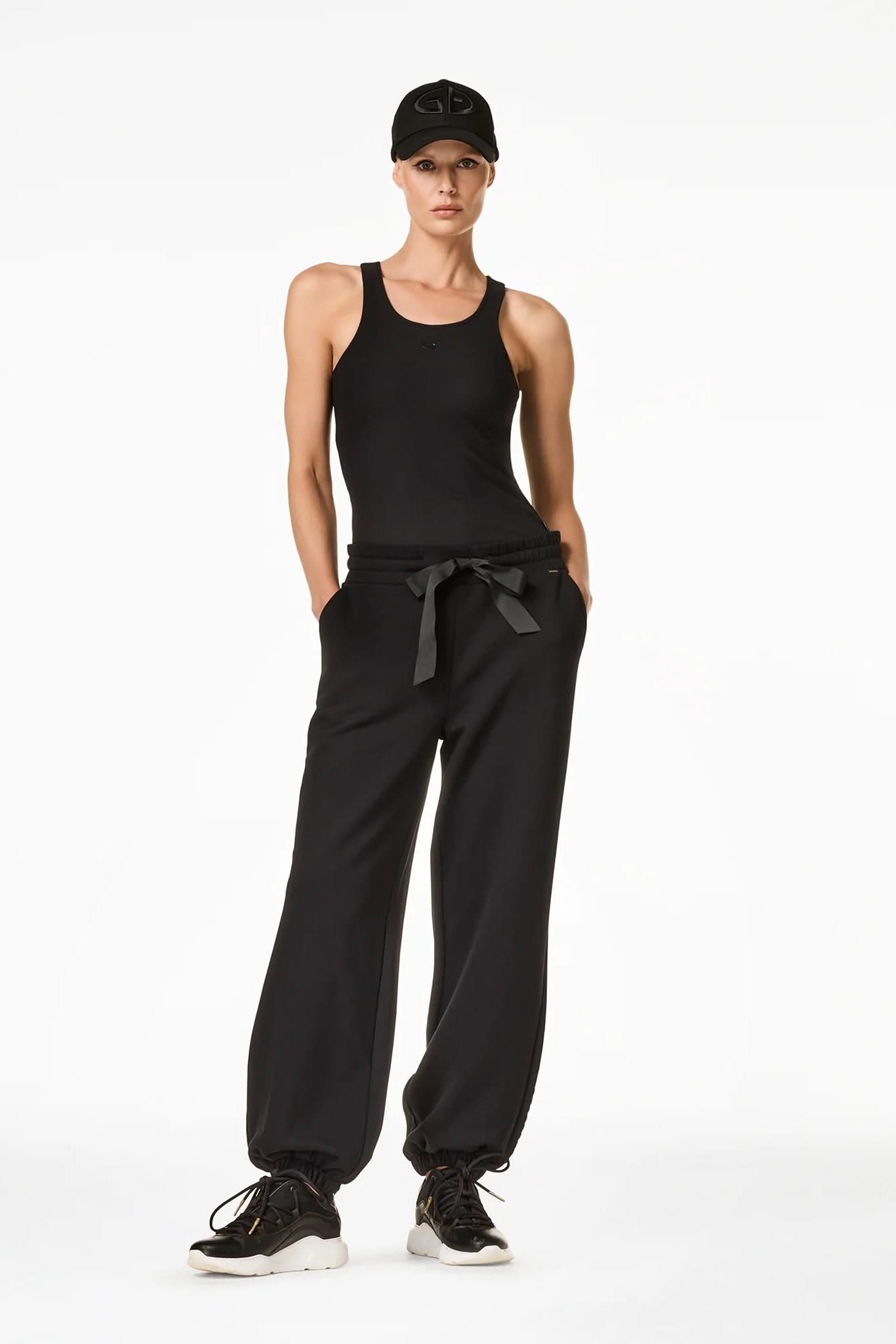
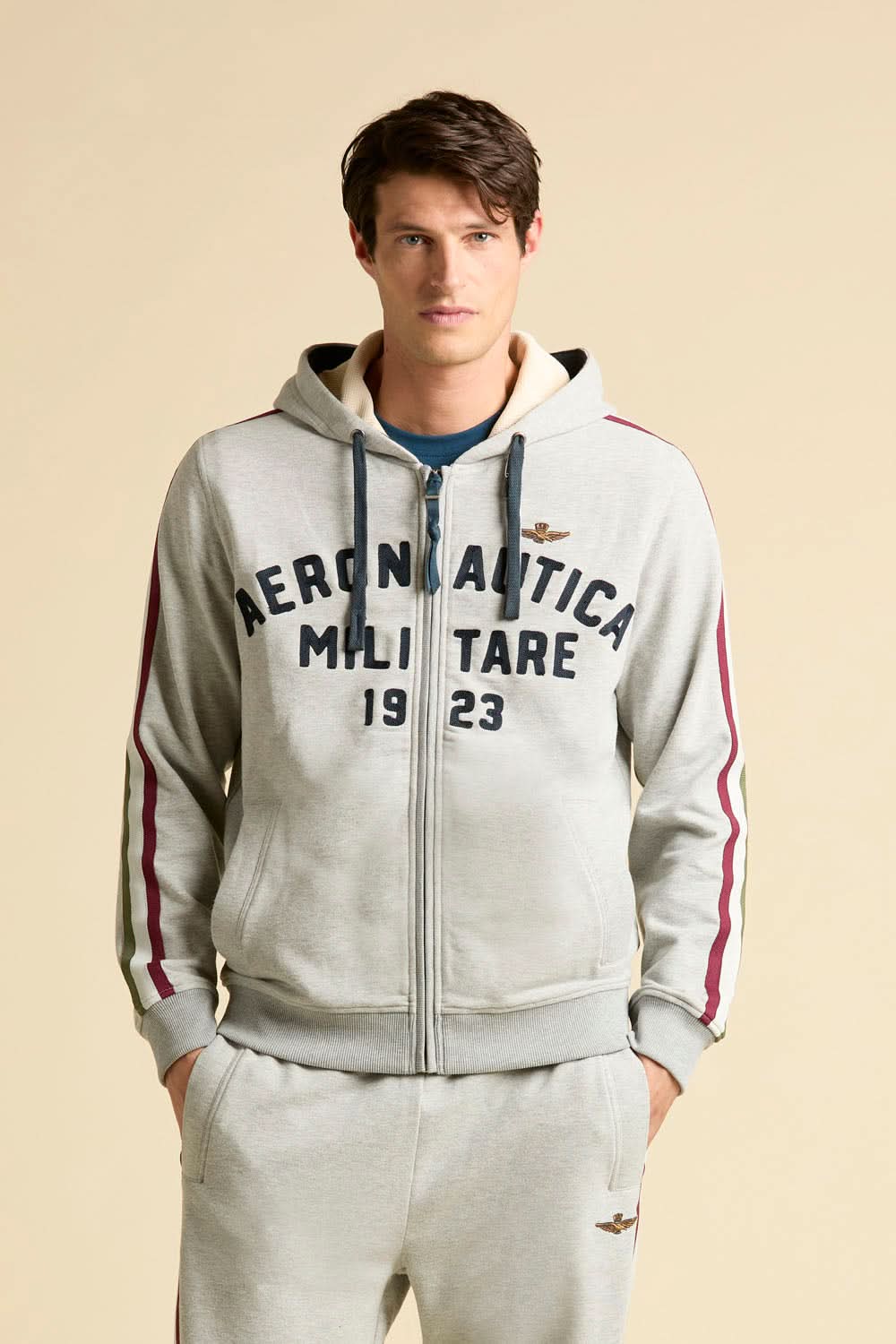
Sweatshirts and fleeces serve a similar role in a winter wardrobe, but their material properties differ, making them suitable for slightly different conditions. Sweatshirts are typically made of cotton or a cotton-polyester blend, making them perfect for everyday wear, such as work, school, or home. Another advantage is their comfort, aesthetic appeal, and soft-touch material.
When it comes to fleece sweatshirts, they're designed to protect against low temperatures. The structure of the synthetic fibers makes fleece ideal for winter. The material provides thermal insulation, dries quickly, and repels moisture, so it can be worn even in light rain.
So what should you choose – a fleece or a sweatshirt? Match your wardrobe to the weather, your level of physical activity, and your location – indoors or outdoors.
How to assess the quality of fleece or sweatshirt material?
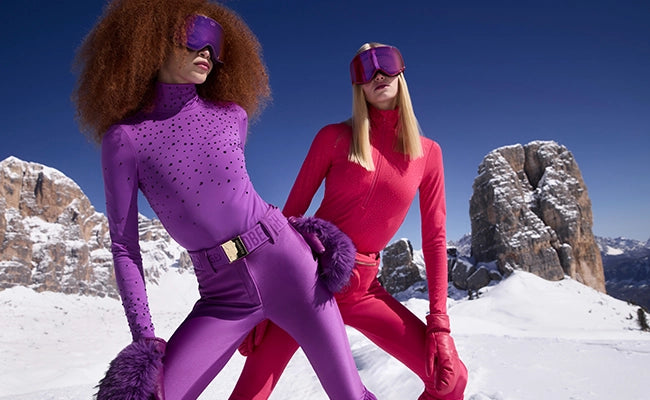
They will work best Women's or men's ski sweatshirts , which are made primarily of cotton. They may also contain a touch of polyester, which makes the sweatshirt more resistant to stretching and washing.
When choosing fleece, choose models made of polyester fibers, which don't pill and retain their insulating properties even after numerous washes. Also check the quality of the finishing elements – zippers, elastic cuffs, high collars, and adjustable drawstrings. Choose a model with a full-length zipper.
What fleece weight should I choose?
The weight of a fabric determines its thickness and ability to retain heat. The higher the weight of the fleece, the warmer and thicker the model you'll purchase. However, if you're looking for a model for the transitional season, opt for a fleece sweatshirt with a lower weight – around 100 g/m².
The most versatile models are those with a medium weight of around 200 g/m², as they provide warmth while also allowing the skin to breathe. A model with a weight of around 300 g/m² will work well in winter conditions.
What weight of fleece is best for winter?
In winter, the best fleece weight is 200-300g per square meter. This thickness effectively protects against the cold without restricting movement. If you're looking for a fleece sweatshirt or vest for everyday wear, a weight of 200g/m² will work well.
Looking for a thicker fleece that's perfect for the mountains and provides a high level of thermal insulation? men's and women's fleeces with a weight of 300 g/m².
Remember that even a 300 g/m² fleece won't be enough for a mountain hike. A top layer that protects you from wind and precipitation is also essential.
What weight of fleece material should I choose for physical activity?
For outdoor winter sports, a good quality fleece weighing between 100 and 200 g/m² is essential, as it will provide both insulation and ventilation. Avoid fleeces that are too thick, as they can cause overheating.
Lighter fleeces are perfect as a second layer, for example under a winter jacket, and also provide excellent thermal insulation and freedom of movement.
Opt for medium-weight fleeces for less intense activities, such as ski touring or Nordic walking, as they will be the perfect stand-alone layer.
What weight of fleece is best as a second layer in winter?
A layering system is best for the slopes, providing better thermal insulation and comfort. In this case, fleece is an ideal second layer, designed to retain heat and wick away moisture. Therefore, a model weighing around 200 g/m² is ideal for colder days. Sweatshirts with a heavier weight can lead to overheating if you want to wear a jacket over it.
What material is a good fleece made of?
A good fleece is distinguished by the quality of the fibers from which it is made. The most commonly used material is a high-quality, synthetic material characterized by:
-
lightness,
-
durability,
-
good thermal insulation,
-
breathability,
-
comfort of use,
-
easy care,
-
resistance to pilling and damage.
This fleece is perfect for both everyday use and outdoor activities. When choosing a fleece sweatshirt, also consider other features, such as antibacterial finishes and reinforcements in key areas. These models offer maximum functionality and will withstand even intense use.
How to wash fleece of different weights?
Lightweight fleeces with a lower weight (e.g., 100 g/m²) are more prone to stretching, so you should wash them in special protective bags. Thicker fleeces with a weight of 200–300 g/m² retain their fiber structure better, so a bag won't be necessary. In both cases, you should use a delicate cycle and set the temperature to 30°C. Avoid using fabric softeners, which can reduce the material's breathability.
Regardless of fleece weight, it should be dried naturally rather than in a tumble dryer. This will ensure the material retains its insulating properties for many seasons, as well as its shape and color.
What to wear in winter besides a fleece sweatshirt?
In cold temperatures, a fleece jacket shouldn't be your only layer, especially if you plan to spend more time outdoors. Layering is the best solution. The first layer should be women's or men's thermal underwear , which is responsible for wicking moisture away from the skin.
The second layer, the insulating layer, is responsible for retaining heat. The following are ideal for this purpose:
-
medium-weight fleeces,
Over the top, wear a winter jacket with a membrane that protects against wind, snow, and rain. Of course, don't forget about accessories, such as:
-
warm, waterproof shoes,
-
thermal socks,
-
neck and face protectors,
-
reflective elements etc.