




Women's Ski Belts - The Detail That Adds Style on the Slopes
Women's ski belts stabilize clothing on the slopes and improve comfort from the very first run. They keep pants at the right height, prevent layers from slipping, and help maintain freedom of movement even in challenging conditions. They prove to be a small accessory that allows you to focus on what's important to you: winter fun!
Women's Ski Belts - Why Are They Such an Important Part of Your Wardrobe?
A ski pant belt keeps clothing in a fixed position during movement. In winter conditions, it works with several layers of clothing and additional insulation, so it must not constrict or restrict mobility.
On the slope, you perform hundreds of repetitive movements - turning, ascending, bending down at bindings. That's why the belt must react to all changes in body position.
Types of Women's Ski Pant Belts
Differences between models primarily result from their construction and adjustment method. The most popular options for women's ski belts are:
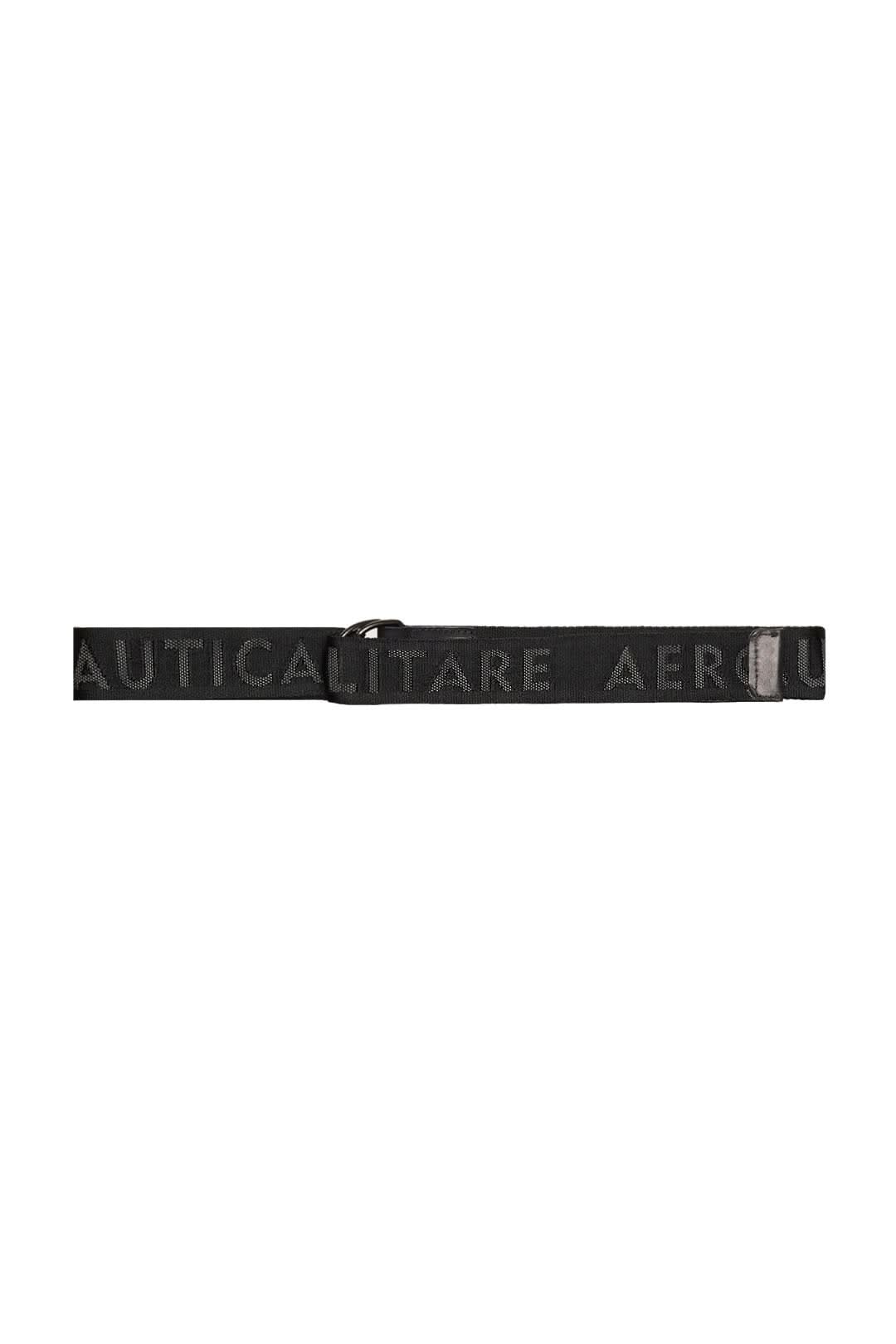
- elastic belts – adapt to the body without the need for frequent adjustment. They work best with variable layers of clothing;
- models with quick-release buckles (click system) – you can fasten them with one hand, even with gloves on. This is a convenient solution if you like to take frequent breaks;
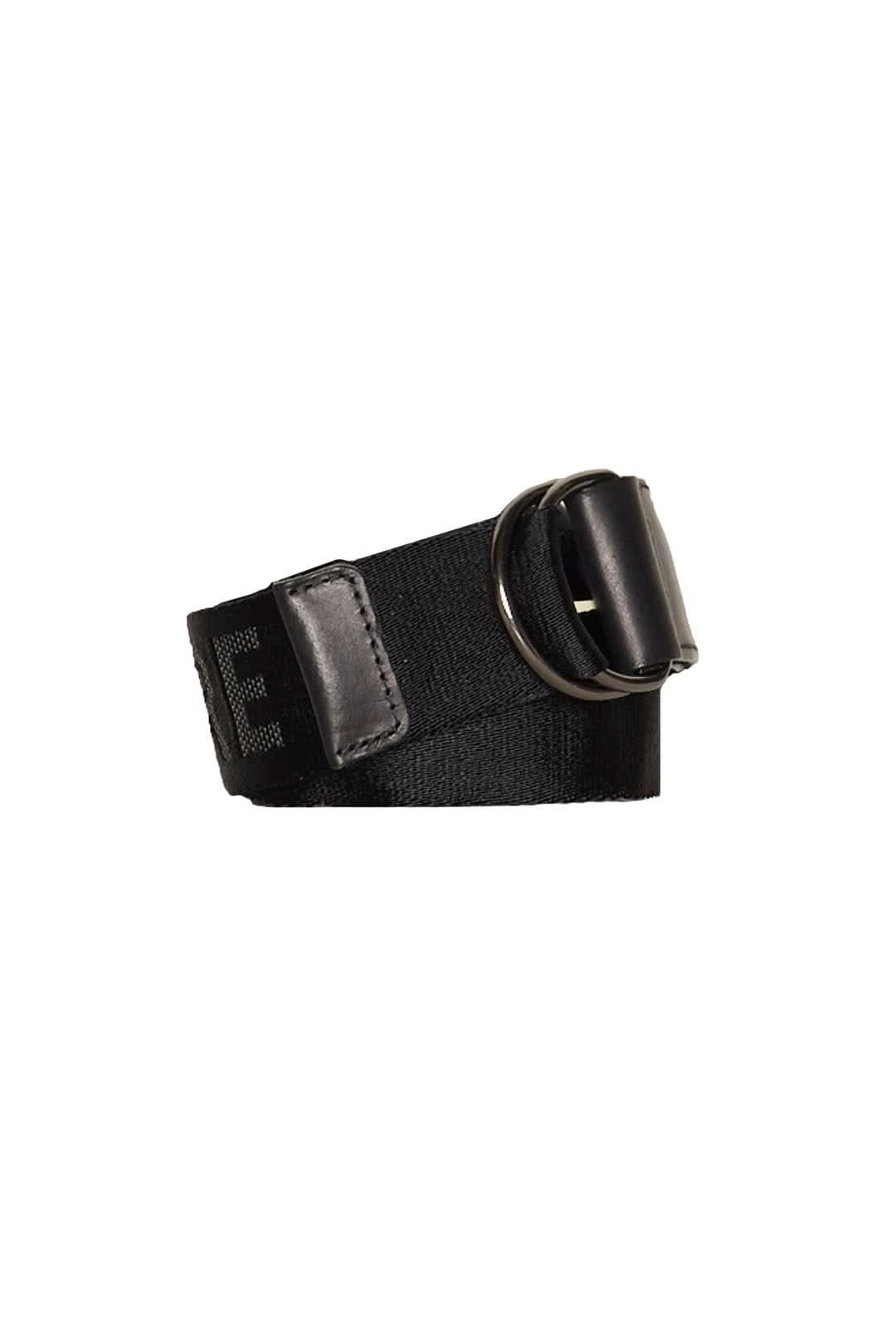
- belts with a classic buckle – provide very stable support. They are a good choice when carrying heavier items in pockets;
- belts with stepless adjustment – allow for precise length adjustment down to the centimeter, without "stepped" holes;
- models with soft padding – reduce pressure on the hips and waist, especially under a thick jacket.
What Materials Are Ski Clothing Belts Made Of?
Nylon and polyester are most commonly used, as they withstand moisture and low temperatures more than adequately. These materials do not stiffen in the cold or lose their shape after a few seasons.
Elastic belts, in turn, contain admixtures of elastane or rubber. This allows them to better adapt to body movements and provide less pressure during turns and sitting on the lift.
Modern sports solutions also introduce DWR (hydrophobic) coatings – they significantly reduce water absorption. The belt does not readily absorb snow and dries faster after a full day of skiing.
It's worth mentioning one more construction element here: buckles. The fasteners of women's ski belts are made of aluminum alloys or reinforced plastics with increased durability.
- Metal components are more durable but slightly heavier.
- Plastics reduce weight and do not cool down as quickly.
How to Choose a Women's Ski Belt for Your Figure and Wardrobe?
Choosing the perfect belt for the slopes begins with measuring your waist circumference and determining the number of layers you wear. Add about 10–20 cm of allowance to your actual circumference – this will allow you to not only breathe freely but also move freely in a ski jacket or thermal underwear.
Pay attention to the width:
- 2–2.5 cm – greater freedom of movement; the belt is less noticeable under the jacket;
- 3–5 cm – better pant support and stability when carrying heavier items.
Test the belt in motion. Do a few squats and torso twists. If you feel pressure or the belt shifting, choose a different model or at least opt for a different length.
What to Pair Women's Ski Belts With? An Overview of Slopes Attire
A women's ski belt works best in combination with well-chosen layers and accessories. It cannot function separately – it directly affects how pants, jackets, and the entire silhouette fit while skiing.
Ski Turtleneck
Stabilizes body temperature and works well with a belt because it doesn't create unnecessary bulk at the waist. Thanks to a ski turtleneck, the belt fits optimally and does not cause pressure.
Ski Pants
Should have appropriate belt loops matched to the belt's width. Too narrow loops on ski pants make adjustment difficult, while too wide ones cause the belt to shift. Models with a clearly reinforced waist work best.
Ski Jacket
Affects the comfort of wearing a belt more than it seems. Longer models of women's ski jackets cover the waist and limit cold air access. Shorter models require better belt fitting, as the belt is exposed.
Ski Suits
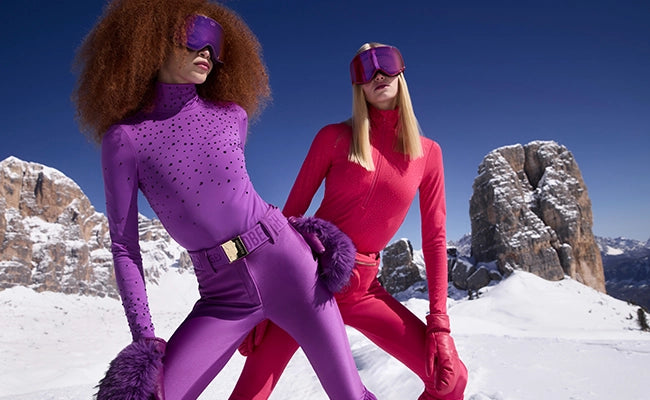
Less frequently require a belt, but in two-piece models or those with waist adjustment, a belt can improve fit and at the same time emphasize the figure. For a women's ski suit, elastic belts work best.
Accessories
They also matter! Ski gloves affect the comfort of handling the buckle (which is why it's worth choosing a quick-release belt). Goggles or gloves do not come into direct contact with the belt, but the color consistency of the entire set improves the legibility of the outfit and facilitates equipment organization.
Take Care of Your Ski Belt
Regular cleaning and drying extend the life of a ski belt by several seasons. To keep it in good condition for as long as possible, remove moisture and snow. Dry it at room temperature, away from heaters.
If the belt needs cleaning, use water with a mild detergent. Do not use aggressive agents, as they weaken fibers and elasticity.
Check every few occasions:
- if the strap loses its elasticity
- if the buckle works smoothly
- if there are no abrasions
Don't wait for the belt to lose its properties on its own – replace it when you see cracks, reduced elasticity, or fastening problems. If you enjoy intense skiing, the actual lifespan of ski belts will be approximately 2–4 seasons.
Choose a Ski Belt Tailored to Your Needs
A well-chosen women's ski belt improves comfort and clothing stability throughout the day of skiing. To avoid constantly adjusting your pants and focus on skiing, choose a model that matches your figure, skiing style, and preferred number of clothing layers. Pay attention to the material, adjustment, and width of the belt. Most importantly, don't forget to opt for proven solutions from renowned manufacturers – you'll find them at SportowyButik.pl!