














Filters


Men's Thermal Activewear – The First Layer, Not Just for Skiing
In ski wear and sportswear, it is the first layer that determines the comfort of the entire day. Men's thermal activewear is responsible for regulating the microclimate against the skin, and its purpose is not solely to provide warmth. The three most important functions are: efficient moisture wicking, maintaining stable body temperature, and ensuring full freedom of movement.
This is a layer that works continuously, for example, reacting to exertion intensity, temperature changes, and humidity levels. Properly chosen, it shortens drying time, limits chilling after stopping activity, and minimizes the risk of overheating during exertion. It's technology hidden under a ski jacket, but truly felt throughout the day.
Types of Men's Thermal Activewear – A Thoughtful Layering System
Men's thermal activewear includes four main groups:
- base layers,
- technical t-shirts and sweatshirts,
- pants and leggings,
- mid-layers providing insulation.
Each of them performs a separate function, but together they form a system that can be precisely adapted to weather conditions and movement intensity. The base layer wicks away sweat, the mid-layer accumulates heat, and the outer layer protects against wind and moisture. Depending on the temperature, the set can be reduced or expanded, maintaining a balance between insulation and ventilation.
Men's Thermal Underwear – Microclimate Control
Thermal underwear is the most demanding element of a technical wardrobe because it works directly on the skin. Premium models use blends of merino wool and synthetic fibers, such as polyester or polyamide.
Merino provides natural thermoregulation and antibacterial properties. Even when damp, it retains its insulating capacity, which is crucial in cold conditions. Synthetics, on the other hand, are responsible for quick drying and durability. Polyester, thanks to its hydrophobic structure, efficiently transports moisture to the outside, and elastane ensures elasticity and fit. Popular 60/40 or 70/30 blends (synthetic/merino) are a compromise between adequate insulation and drying dynamics.
Seamless technology is also popular, reducing seams and thereby limiting the risk of chafing. Ergonomic cuts and the Perfect Fit system stabilize the material during movement, so the base layer stays in place even during intense exertion.
Thermal T-Shirts and Sweatshirts – Ventilation and Ergonomics
Technical t-shirts and sweatshirts expand on the function of the base layer, offering greater construction diversity. Lightweight models are designed for high-intensity exertion, while medium and insulated versions support activity in colder conditions.
The placement of ventilation zones is also important – mesh panels placed under the armpits, on the back, and along the sides of the torso improve air circulation. The Quick Dry system accelerates the evaporation process, shortening the time the material remains damp. The appropriate knit structure directs sweat from the skin surface to the outer layer, where it evaporates more quickly.
Cuts influence not only aesthetics but, above all, functionality. Compression models support muscles and reduce vibrations during running, while a regular fit provides greater freedom for hiking or everyday use. Hypoallergenic fibers and anti-odor finishes increase comfort during multi-hour wear.
Pants and Leggings – Mobility and Stabilization
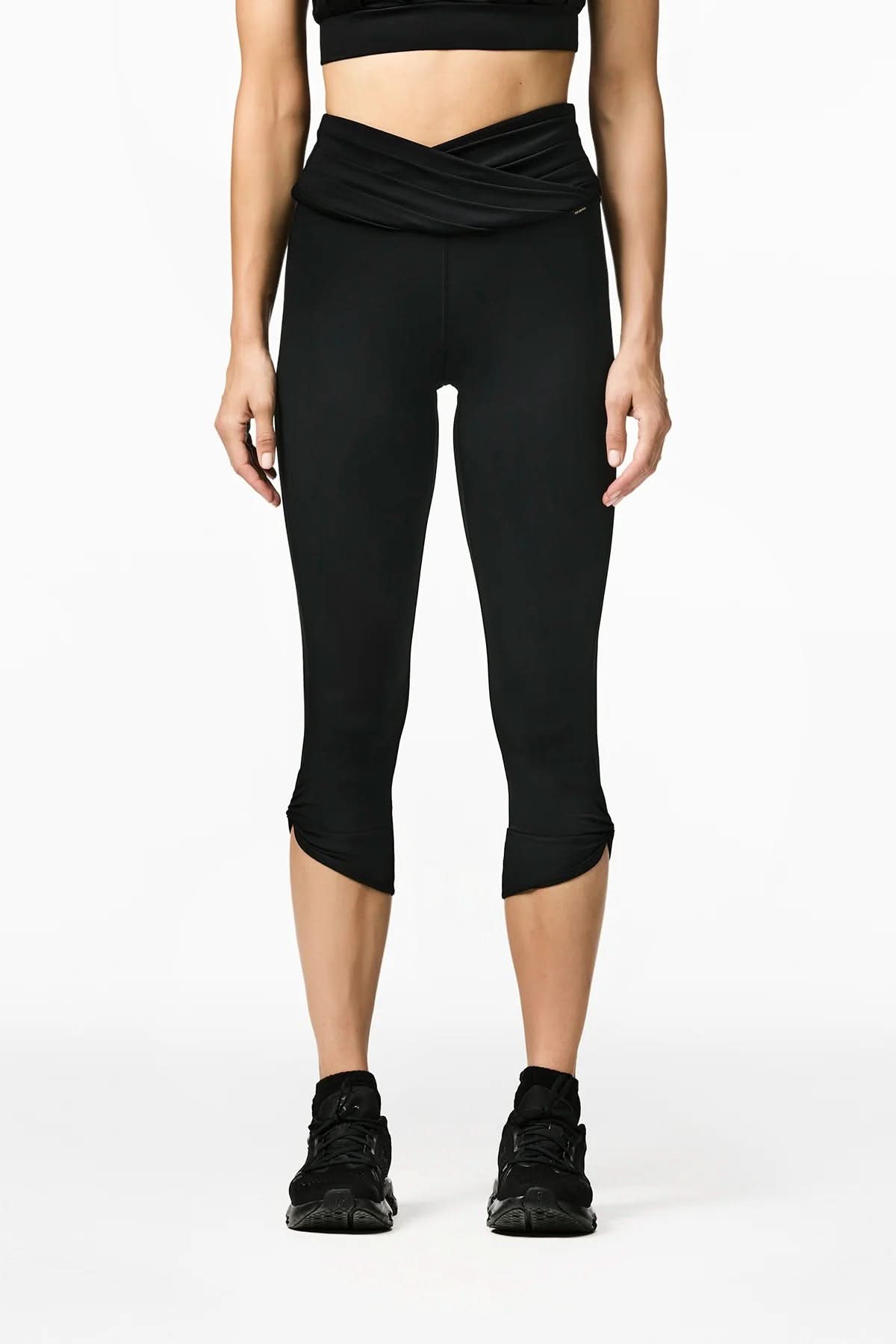
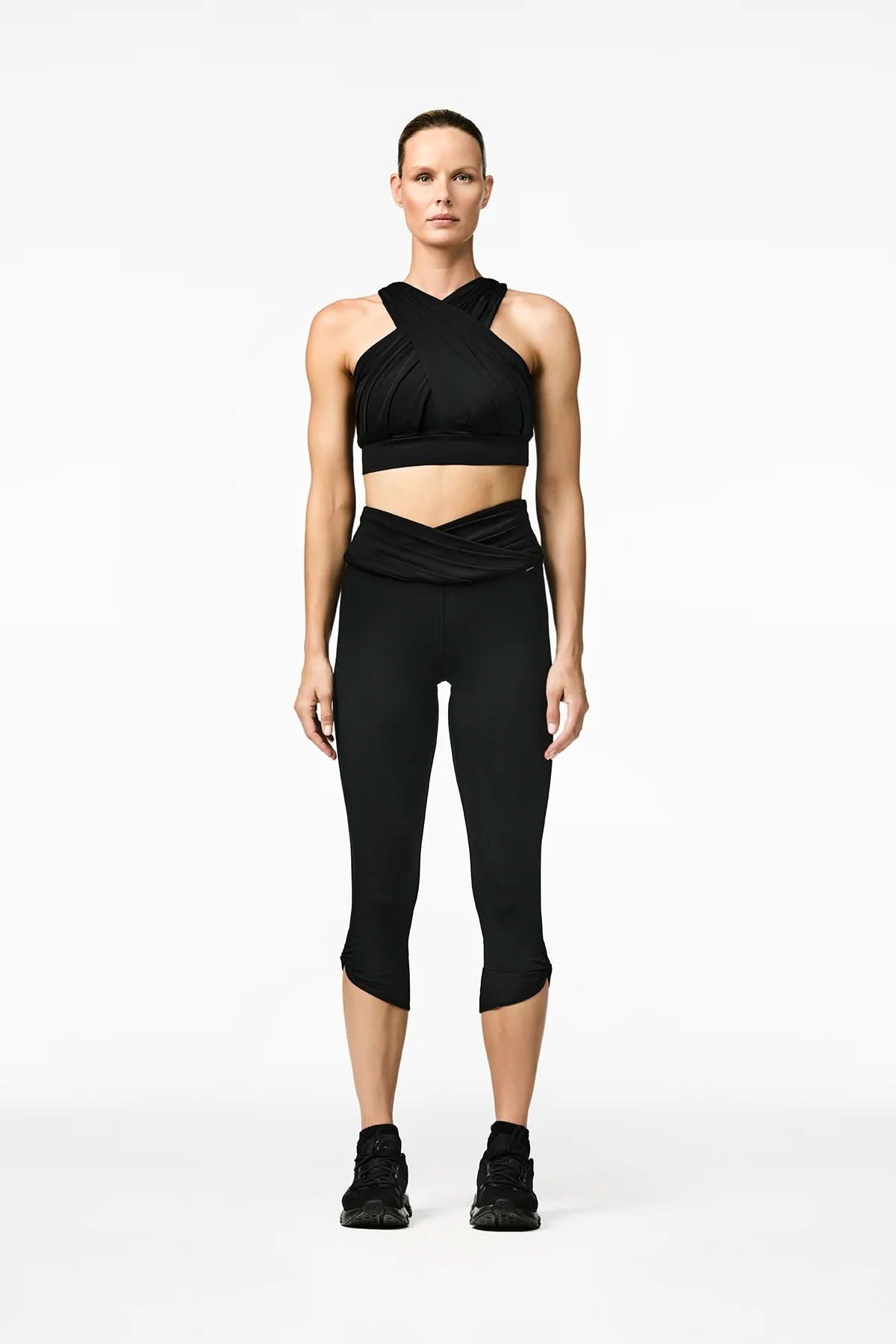
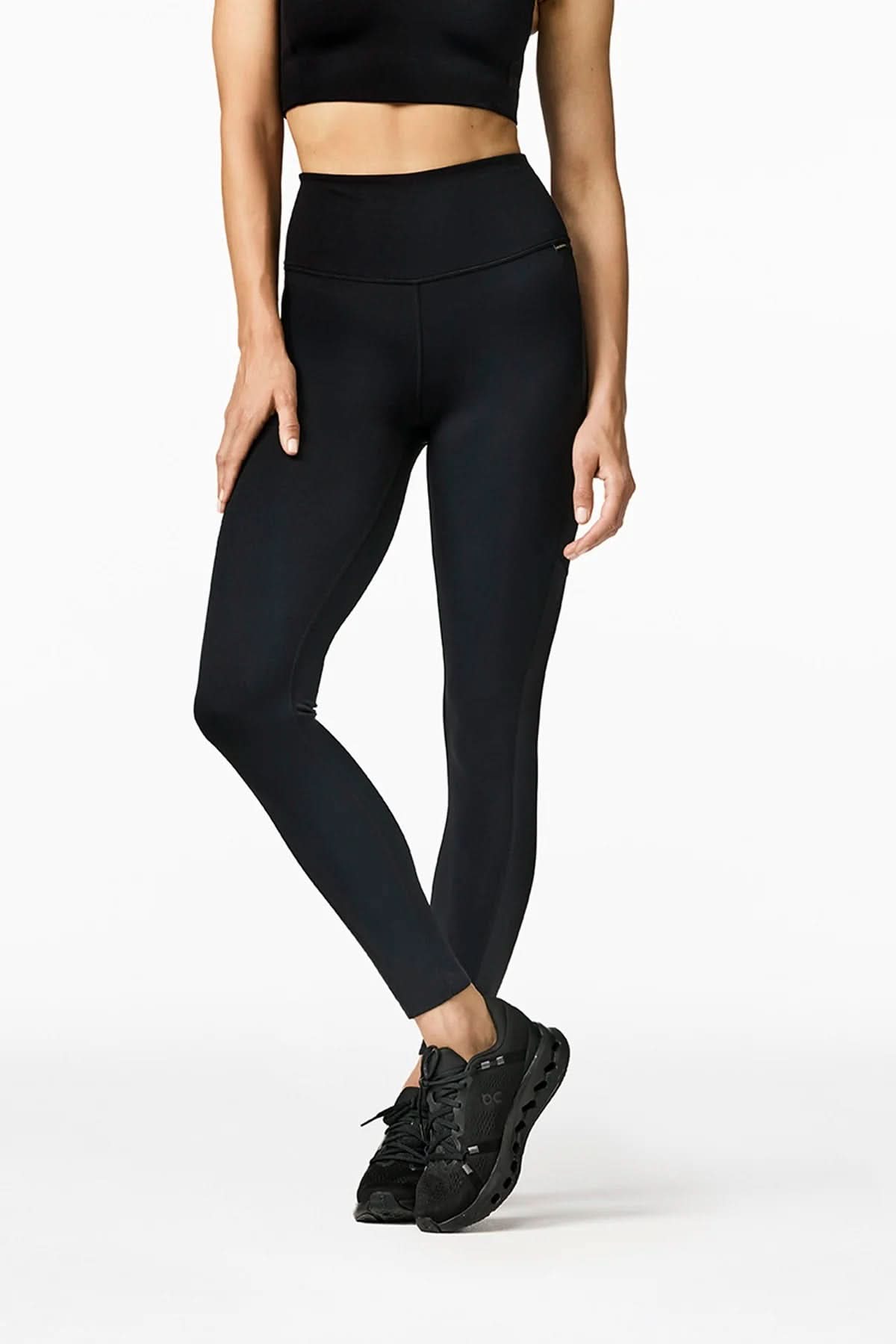
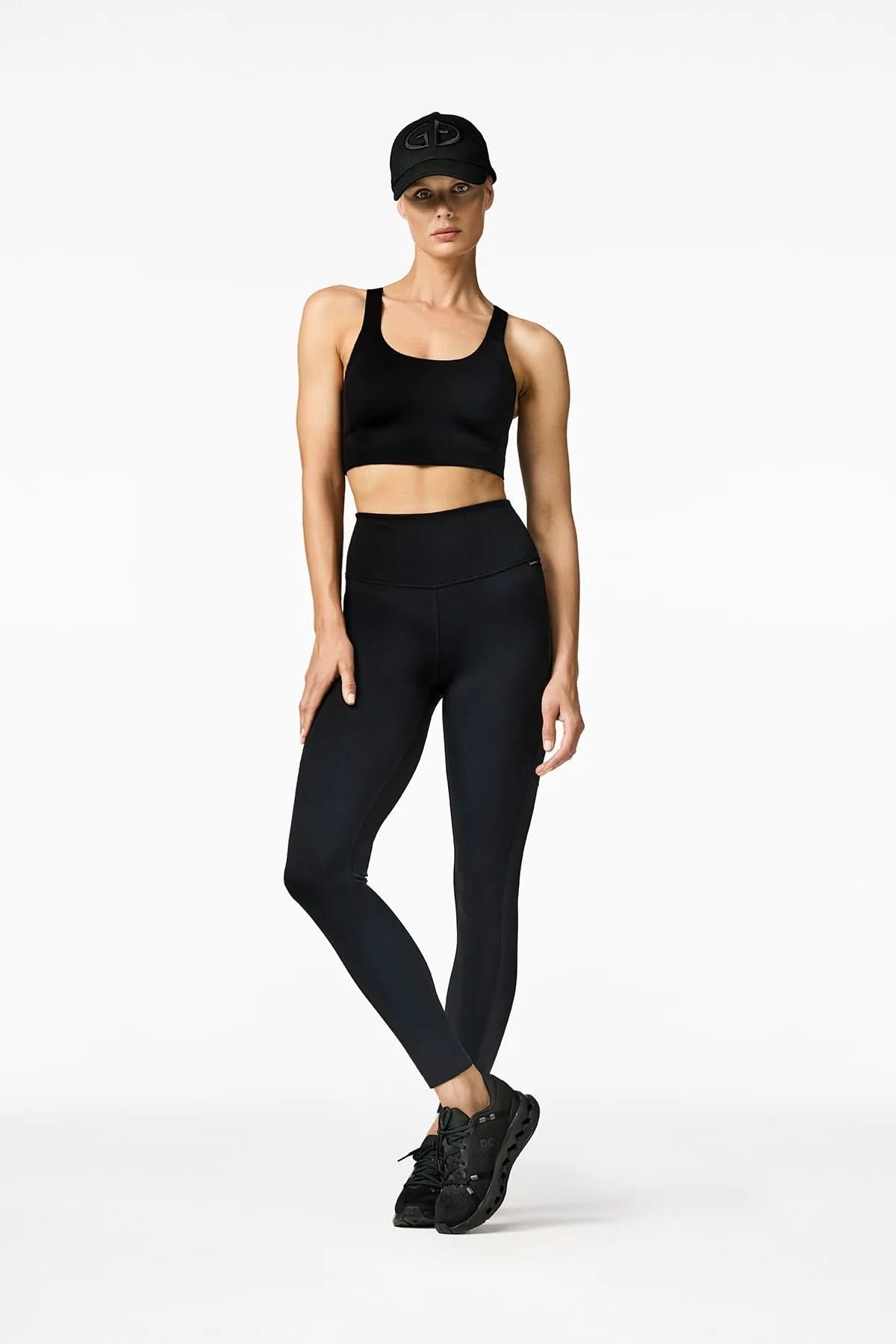
The lower parts of technical apparel must combine flexibility with insulation. Thermal leggings serve as a base layer under ski pants or softshell pants, and in warmer conditions, they can function independently. Their task is to maintain warmth while wicking away moisture.
Elastic fibers allow for a full range of motion, which is important in skiing, climbing, or trail running. The seamless construction minimizes chafing, and strategically placed ventilation zones improve thermal comfort. Premium models also feature reinforcements in areas prone to abrasion and knit structures that stabilize thigh and calf muscles.
Materials and Technologies – Fiber Precision
The quality of men's thermal activewear is determined by the fiber composition and knit construction. Polyester and polypropylene are responsible for moisture transport and quick drying, and in favorable conditions, a synthetic base layer can dry within 30-60 minutes. Nylon increases abrasion resistance, which is important for intense use. Elastane improves fit and limits material deformation.
Merino wool stands out for its natural temperature regulation capabilities and antibacterial properties. In combination with synthetics, it creates a material that combines insulation with durability. Knit constructions with varying densities allow for the creation of zones with different air permeability.
Anti-odor properties are achieved through the natural characteristics of merino or through silver ion finishes – these inhibit the proliferation of bacteria responsible for unpleasant odors, which translates to longer wear between washes. The durability of these properties depends on the care method and the quality of the finish used.
Why Choose Premium Men's Thermal Activewear?
The premium segment is distinguished not only by technical parameters but also by construction durability. Better weaves, precise finishes, and carefully selected fiber blends ensure that the clothing retains its properties despite intensive use and frequent washing.
Ergonomic cuts reduce movement resistance, improving efficiency during outdoor activities. The layering system allows for dynamic adaptation to the weather, and stable thermoregulation means less risk of hypothermia and reduced overheating.
Premium men's thermal activewear is an investment in performance, health, and comfort. It's a layer you don't see, but whose effects you feel with every step and every kilometer covered in challenging conditions.