










Cap or balaclava under a helmet? Which one is better on the slopes?
When preparing for the winter season, many skiers face a dilemma that can significantly impact their riding comfort: what to wear under a head protection shell? Proper equipment is not only skis and boots, but also accessories that take care of our thermoregulation. Ski helmet beanie or balaclava – which will work better? This choice depends on many factors, including weather conditions, intensity of riding, and individual preferences. In this article, as premium sportswear experts, we will advise you on how to choose the best headwear to enjoy winter madness without discomfort.
Why should you wear headwear under your helmet at all?
A modern ski helmet is designed to provide warmth and safety. Nevertheless, an additional layer of material directly against the scalp is crucial. Firstly, it provides thermal comfort, insulating us from the cold helmet shell, especially on frosty days. Secondly, and just as importantly, it serves a hygienic function.
During intense riding, even in low temperatures, the scalp sweats. Good quality headwear acts like the first layer of thermal underwear – it absorbs and wicks sweat away from the skin. It is much easier to keep clean than a helmet lining; regular washing of a balaclava or thin beanie is simple and quick. Wearing an extra layer thus helps keep the helmet fresh throughout the season.
Ski helmet beanie – when is it a good choice?
Many skiers prefer wearing a beanie for aesthetic and practical reasons – after taking off the helmet on the slope, we still have a stylish piece of clothing on our head. However, not every beanie is suitable for wearing under a helmet. The key is that it must be a thin beanie, free of pompoms, thick seams, or rolled-up cuffs that could cause pressure points.
A beanie under the helmet will work great in milder temperatures or during spring skiing when full face coverage is not required. When choosing this option, make sure the material is flexible and fits snugly to the shape of the head. A poorly chosen, too loose beanie can shift, which not only reduces riding comfort but can also negatively affect helmet stability, and thus our safety. Remember: the helmet must fit perfectly.
Balaclava under helmet – a shield for extreme conditions
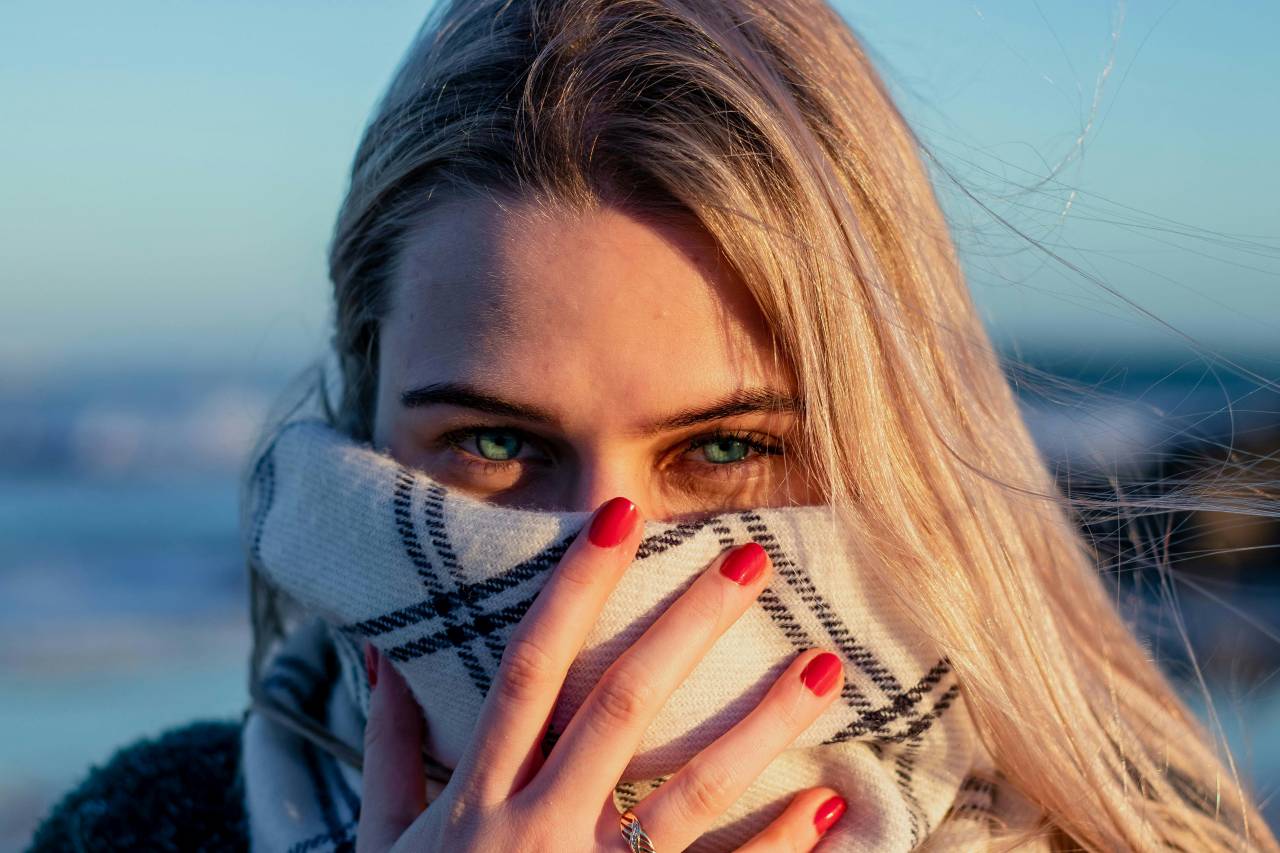
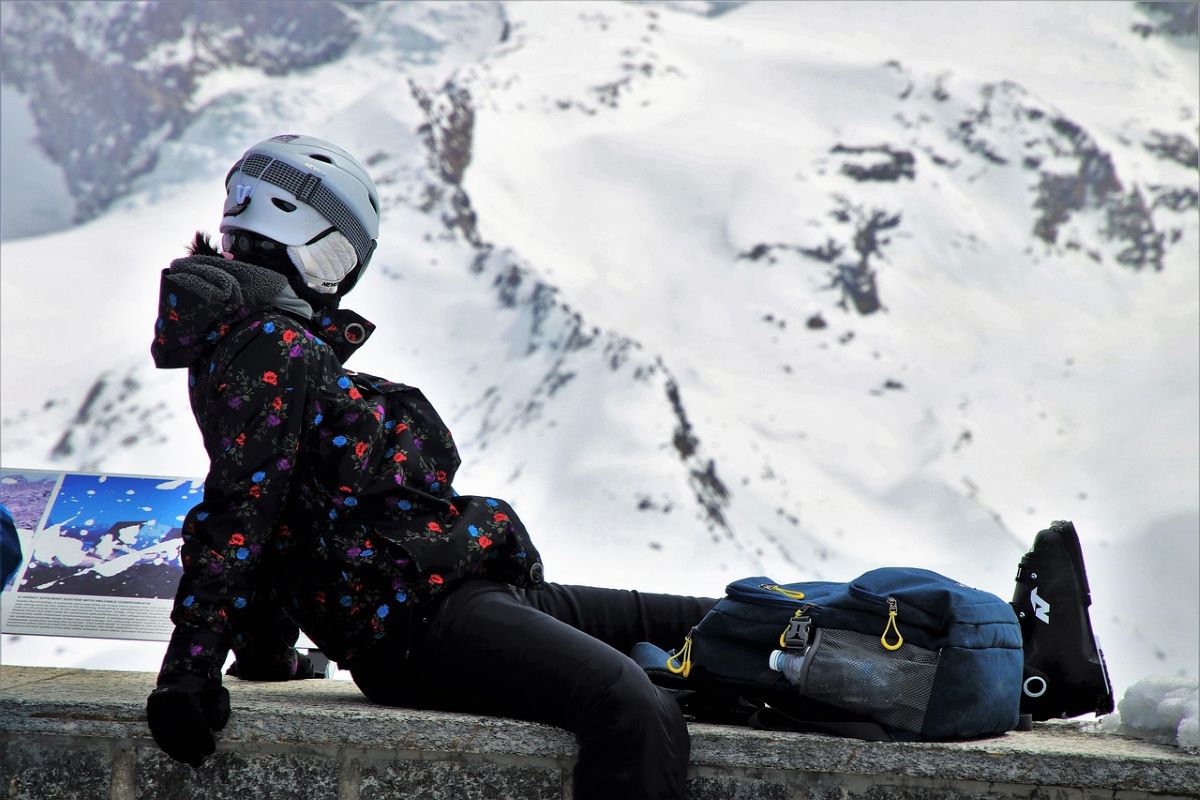
When the temperature drops well below zero and the wind howls on the slope, a balaclava under the helmet becomes indispensable. This is the right headwear for those seeking comprehensive protection. A balaclava protects not only the head but also the neck, nape, ears, and often a significant part of the face from cold air and frost.
In extreme weather conditions or when riding in deep powder, a balaclava provides a tight barrier that a beanie alone cannot guarantee. It also eliminates the "cold neck" problem, which often occurs when a gap forms between the jacket and the helmet. High-quality ski balaclavas are made of technologically advanced materials that provide excellent insulation, while wicking away excess moisture. This solution is often chosen by professionals for whom maximum comfort and focus on riding are a priority.
What to pay attention to when choosing headwear?
Regardless of whether you choose a beanie or a balaclava, there are several key parameters that indicate the quality of a premium product:
-
Material: Look for breathable fabrics. Merino wool (natural thermoregulation, antibacterial properties) and advanced synthetic fibers that dry quickly and effectively wick away moisture work great. Avoid ordinary cotton, which retains sweat and quickly cools the head.
-
Flat seams: This is an absolute must to avoid chafing and skin irritation under helmet pressure.
-
Material elasticity: Proper fit without pressure is key. The headwear should feel like a second skin.
-
Thickness: Remember that products that are too thick can cause the helmet to fit incorrectly. The beanie or balaclava must be compatible with your helmet size.
Summary – what to choose?
The decision on choosing the appropriate headwear depends on the conditions in which you plan to ride.
-
Choose a balaclava if you value maximum protection, warmth, and ride in difficult conditions.
-
Choose beanies (specialized, thin models) if you ride recreationally in good weather and care about easy thermoregulation and "après-ski" style immediately after taking off your helmet.
It is worth having both these accessories in your ski wardrobe to flexibly adapt your outfit to capricious mountain weather and ensure comfort for winter madness every day.
FAQ – Frequently Asked Questions
Should you wear a beanie under a ski helmet?
It is not strictly necessary if the helmet is well insulated, but it is highly recommended for hygiene and extra thermal comfort. It is important that it is a special, thin ski beanie that does not interfere with the helmet's fit.
Do you need a balaclava under your helmet?
A balaclava is not mandatory, but it is the best solution on frosty and windy days. It provides comprehensive face and neck protection that the helmet alone does not. For many skiers, it is a basic piece of clothing that increases comfort in difficult conditions.
Do you wear a beanie over a balaclava?
Absolutely not. Wearing both layers at once under the helmet will make it too tight, which can cause discomfort, headaches, and most importantly – the helmet will not properly protect the head during a fall. One, properly fitted layer – either a balaclava or a thin beanie – is fully sufficient.