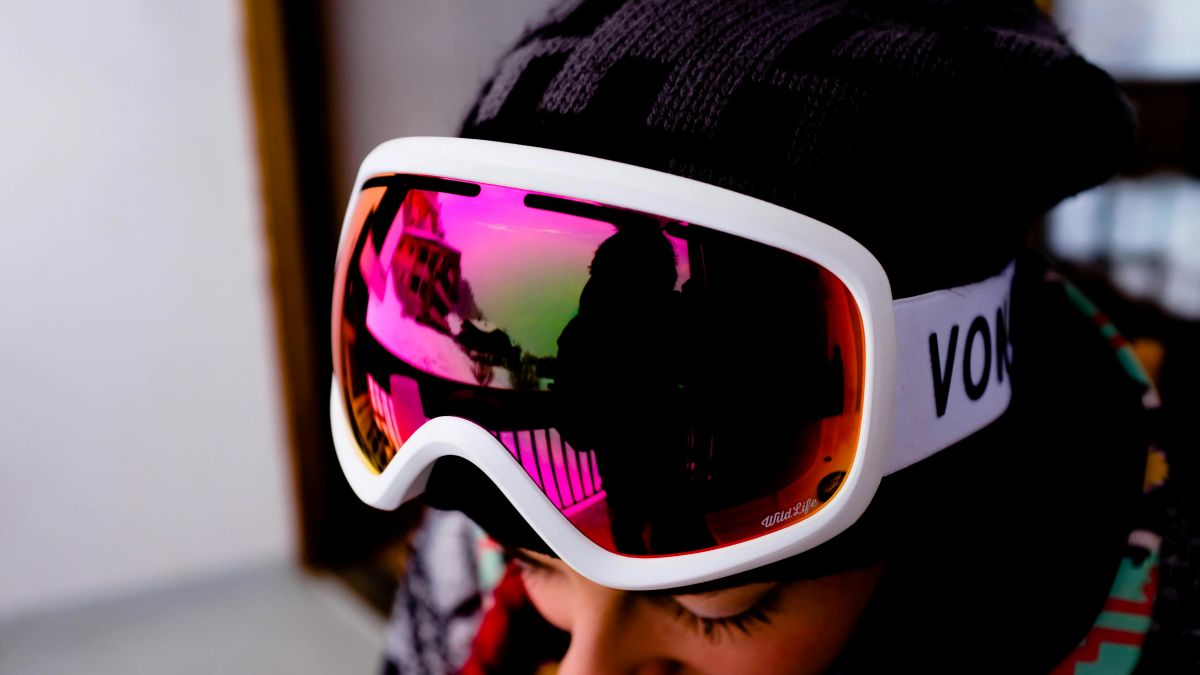



















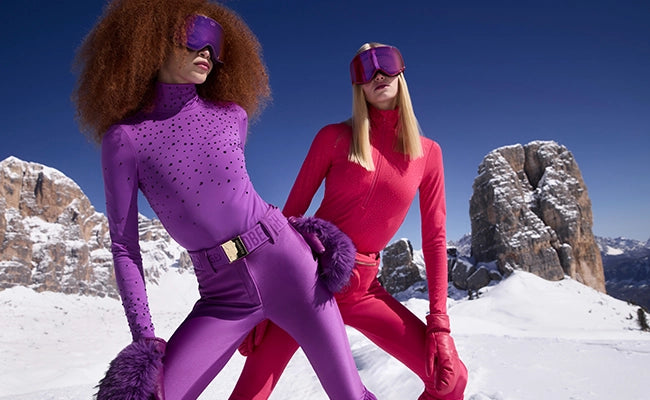


What not to do with ski goggles so that they last you for many seasons?
When investing in good premium goggles, you expect them to not only provide excellent visibility and safety on the slopes, but also to be a stylish complement to your winter outfit. Branded models from top manufacturers feature advanced technologies – delicate mirrored coatings, anti-fog systems, and precise optics. Unfortunately, improper use can quickly ruin these properties.
As experts in sports fashion and high-tech technology, we have prepared a comprehensive guide. Learn what mistakes to avoid so that your perfect ski goggles remain in pristine condition for as long as you expect.
The Biggest "Sins" on the Slopes – How Not to Damage Your Goggles While Skiing?
In the heat of winter madness, it's easy to lose focus for a moment, which can cost us our riding comfort. Your eyes are paramount, so taking care of your equipment means taking care of your own health.
1. Do Not Wipe the Wet Inner Part of the Lens
This is absolutely the most important rule. The inside of the lenses is covered with a special anti-fog layer. If snow or moisture gets inside during riding, under no circumstances should you rub the wet surface, especially with a hard glove or jacket sleeve. This way, you will permanently damage the delicate coating, and the goggles will fog up forever. What to do? If snow has fallen inside, gently shake it out and let the goggles dry naturally, preferably in a warm (but not hot!) room.
2. Avoid Wearing Goggles on Your Forehead and Hat
A common sight at the lift: a skier slides their ski goggles onto their forehead. This is a mistake for two reasons. Firstly, the warmth and moisture evaporating from your head (especially if you're wearing a hat or balaclava) gets directly inside the goggles, guaranteeing instant fogging of the lens. Secondly, you risk stretching the strap or scratching the lenses against helmet elements.
3. Don't Ignore the Fit of Goggles to the Helmet
Safety on the slopes is paramount, and the helmet and goggles must form a harmonious duo. A poorly matched set creates a so-called "distillery" (goggles fog up from the top) or an unwanted gap on the forehead, exposing your sinuses to drafts. Premium models are often designed to perfectly match specific helmets. It's worth checking this in the store. Well-fitted women's ski goggles or men's ski goggles should fit snugly against the edge of the helmet, providing adequate ventilation through the vents, but not allowing cold air to enter from above.
What Not to Do During Cleaning?
Cleaning ski goggles requires delicacy. Treat them like the most expensive optical glasses, or even more carefully.
-
Forget about window cleaner: The chemicals in household cleaners can destroy UV filters and mirrored coatings. Your goggles are meant to protect your eyes from harmful UV radiation, don't risk losing this function.
-
Do not use paper towels or tissues: Although they seem soft, they contain wood fibers that act like sandpaper on delicate lenses. This creates micro-scratches that refract light and impair visibility in the sun.
-
Only use a special microfiber cloth (often the pouch included in the set) for cleaning. Clean the lenses only when they are dry on the outside.
Storage Matters – How to Care for Goggles After the Season?
When the ski season ends, or you simply return from the slopes to the hotel, don't throw your equipment in a corner.
-
Never put wet goggles into a case: Moisture trapped in a sealed, even suitable case is an ideal environment for mold and degradation of foams. Goggles must be completely dry before you put them away.
-
Do not dry goggles on a radiator or with a hairdryer: High temperatures can deform the frame, unglue the double lenses, and destroy coatings. Always dry them at room temperature, away from direct heat sources.
-
Do not throw goggles loose into your backpack: Hard objects in your bag or backpack (keys, phone, other accessories) can easily cause mechanical damage. Always store goggles in a microfiber pouch or a hard case to protect them from scratches.
Goggles for the Demanding – What Else to Pay Attention To?
When investing in premium equipment, it's worth knowing its specialized features. If you wear prescription glasses, choose only models marked as OTG (Over The Glasses). Trying to force regular goggles over glasses will result in scratches on both pairs and discomfort, and pressure can cause irritation and tearing of the eyes.
Remember also that different lenses work well in different weather conditions. Don't expect a dark lens for full sun to provide you with comfort on a cloudy day. It's worth investing in models with interchangeable lenses or photochromatic lenses that adapt to light intensity.
By taking care of your ski goggles, you ensure not only a stylish look but, above all, a crystal clear view on skis or a snowboard. It's an investment in your safety and enjoyment of riding.
FAQ – Frequently Asked Questions
How best to clean the inside of goggles?
Ideally... don't touch it at all, unless absolutely necessary. If you must, make sure it is completely dry and use only a clean microfiber cloth, making gentle movements, without pressing.
Why do my goggles keep fogging up despite the anti-fog system?
The cause may be blocked ventilation holes (e.g., by snow, an overly tight hat, or a poorly fitted helmet), damp foam, or previous damage to the anti-fog coating due to improper cleaning (e.g., wiping while wet).
Can I use ski goggles for other sports?
Theoretically yes, but they are specifically designed to protect against cold air blast, snow, and reflected UV light. Their construction may not work well in summer, e.g., for cycling, due to insufficient ventilation at higher temperatures.