













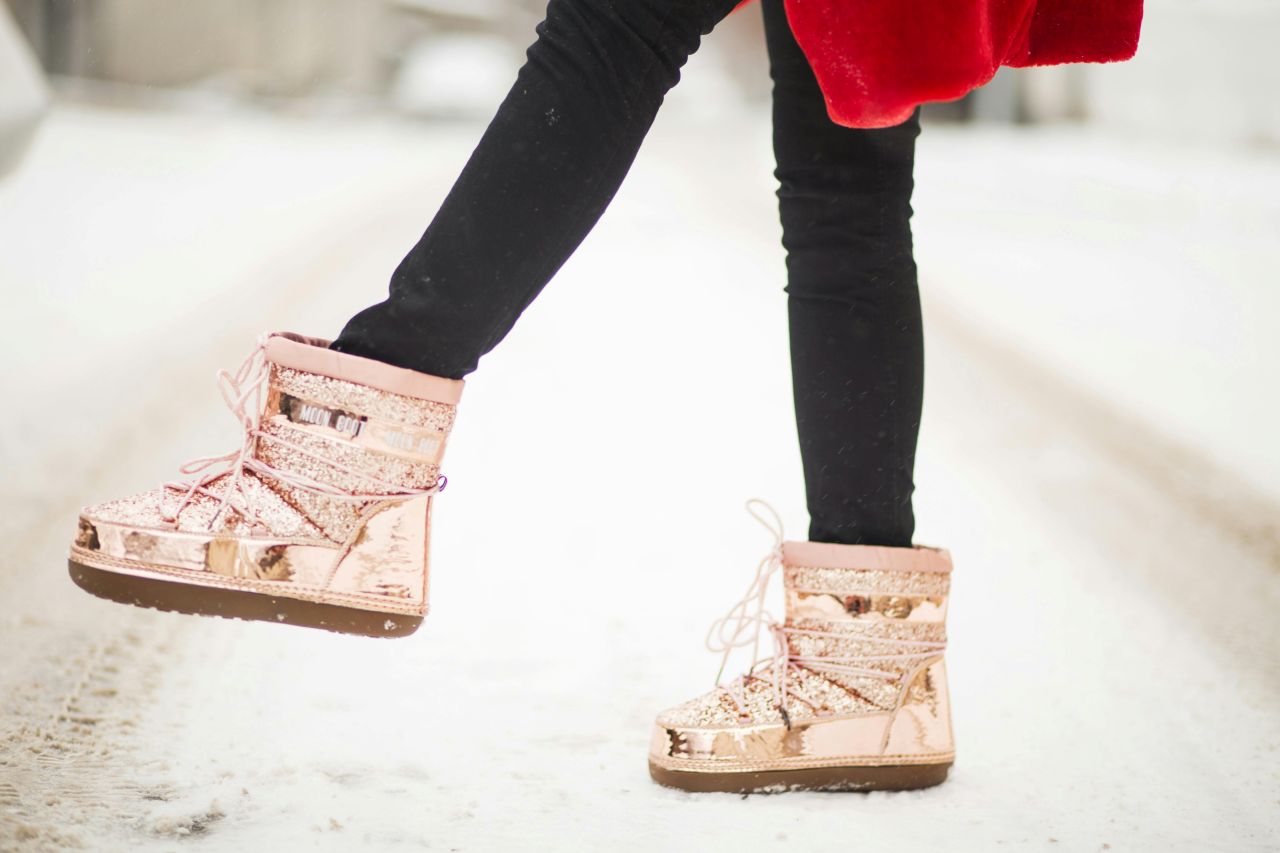
How to choose the size of snow boots and winter boots?
How to choose the size of snow boots and winter boots when thermal comfort and stability are equally important? In winter, the foot works differently than in transitional footwear, and the wrong size quickly leads to discomfort. In this article, we explain how to correctly choose the size, taking into account the insole, insulation, and shoe construction.
How to choose the size of snow boots and winter boots? The most important aspects
Choosing the right size of snow boots and winter boots is important for daily comfort, safety, and protection against the cold. Winter boots, unlike transitional footwear and sneakers, must simultaneously provide thermal insulation, stability on slippery surfaces, and sufficient space for the foot working in low temperatures. Too tight footwear quickly leads to chilling, and too loose footwear – to loss of control and chafing. Therefore, the choice of size should not be accidental or based solely on the EU number.
How to properly measure your foot before buying winter boots?
The basis for choosing the right size is an accurate measurement of the foot. It is best to do this at the end of the day. How to do it?
Stand straight on a piece of paper, evenly distributing your weight on both feet, then trace their outline. Measure the distance from the end of the heel to the longest toe and write down the result in millimeters or centimeters. Take measurements for both feet and always use the larger result.
This measurement is a starting point – it is not yet a ready shoe size, but it allows you to correctly read the manufacturer's table and choose the appropriate insole length.
Size chart and insole length – what to pay attention to?
The most important parameter when choosing winter footwear is the length of the insole given in centimeters, not the EU number itself. Differences between brands can be significant, so centimeters are a much more reliable reference.
It is recommended to leave a margin of 0.5-1 cm for more precise fitting, or a margin of 1-1.5 cm if you plan to wear thick socks or want greater thermal comfort. For example, a foot with a length of 26.5 cm will work best with an insole approximately 27.2-27.8 cm long (depending on the shoe's construction and technologies used).
Foot width and upper construction
The length of the insole is not everything. The width of the foot and how the shoe encloses it are equally important. A too narrow upper restricts circulation and causes pressure, while a too wide one reduces stability when walking on snow and ice.
It is worth paying attention to:
- the shape of the toe box,
- the flexibility of materials,
- adjustability (lacing, Velcro, quick-fastening systems),
- heel stiffening, which stabilizes the foot even with an imperfect width.
Winter boots or snow boots should hold the heel stably, while leaving freedom around the toes.
Thermal insulation and size fitting
Insulation significantly affects how the shoe fits the foot. Thick insoles, synthetic furs, or modern insulations take up real space inside the footwear. Therefore, highly insulated models often require a slightly larger margin.
Technologies such as Thinsulate offer good insulation with low bulk, allowing for a slimmer fit and better adjustment. On the other hand, shoes with membranes, such as Gore-Tex, are less prone to stretching and require precise size selection already at the time of purchase.
Upper material and shoe construction
The comfort of wearing winter boots is influenced not only by size and insulation, but also by the upper material and the way the shoe is constructed. Natural leather has the ability to gently adapt to the shape of the foot during use, which can improve comfort during long-term wear. Synthetic materials, on the other hand, retain their original shape longer and often cope better with moisture, but they are less flexible and require more precise size selection at the time of purchase.
The construction of the tongue and its connection to the upper are also important. Models with a sealed tongue gusset better protect against snow and moisture, but at the same time may limit the material's ability to work. In such cases, a too tight fit becomes apparent faster when walking, so it is worth paying attention to comfort already in the first minutes of trying them on.
Classic lacing, on the other hand, allows for precise adjustment along the entire length of the upper, which works well for feet with non-standard widths. Velcro and quick-fastening systems increase convenience, but require a well-chosen basic size.
Buying snow boots online – how to avoid mistakes?
In addition to measuring your foot, it is worth measuring the length of the insole in well-fitting shoes you already own and comparing it with the manufacturer's table. At Sportowy Butik, both women's snow boots and women's winter boots and men's premium class are available.
Trying on winter boots – how to check if the size is right?
Always try on winter boots with the socks you will actually wear in winter. Stand straight, walk for a few minutes and pay attention to the most important signals:
- toes do not touch the tip,
- heel does not lift more than a few millimeters,
- foot is stable, but not squeezed,
- no pressure points appear.
A well-fitting shoe provides a feeling of warmth, stability, and a natural stride.
FAQ – frequently asked questions
Is the EU number sufficient for choosing winter boots?
No. The EU number is indicative. The most important thing is the insole length in centimeters.
How much margin should I leave in winter boots?
Usually 0.5-1.5 cm, depending on the thickness of the sock and the insulation of the boot.
Does thick insulation mean a larger size?
Often yes – insulation takes up space, so it's worth considering when choosing.
Does the membrane affect the fit?
Yes. Membranes are less flexible, so precise fitting is particularly important.
How to check the fit at home?
Try on the boots with your intended socks and walk around in them for 10-15 minutes, paying attention to your heel and toes.