









How not to freeze on the slopes: underwear, socks and accessories that make a difference
How to stay warm while skiing? Learn how to properly layer your clothing and choose the right accessories.
Why do we get cold on the slopes?
Getting cold on the slopes is rarely solely due to low temperatures. Most often, moisture, impaired circulation, or poorly chosen layers are to blame. When skiing, you exert yourself intensely, your body produces heat and sweat, and if it has nowhere to evaporate, your skin quickly becomes damp. When you slow down or get on a lift, the moisture starts to cool your body, leading to a feeling of cold.
The good news is that thermal comfort largely depends on the clothing items you wear closest to your body. It is these garments, underwear, socks, and accessories that most often determine whether you will be warm, dry, and comfortable on the slopes all day long.
How to stay warm while skiing? Principles of layered clothing
Layered clothing is the foundation of skiing comfort, but in practice, the first layer is the most important. It is responsible for dry skin and stable body temperature.
The first layer is ski underwear, which should act like a second skin. Its task is to quickly wick away moisture and transfer it further before it can cool you down.
The second layer is designed to retain the heat generated by the body and prevent its rapid loss. This is what makes the biggest difference when you stop at a lift or wait in line. Well-chosen insulation helps maintain a stable body temperature, without feeling overheated or suddenly chilled. For the second layer, three solutions are most commonly chosen: fleece, down, or synthetic insulation.
The third layer protects against wind, precipitation, and external moisture while wicking away water vapor. Even the best underwear and insulation will not fulfill their role if jackets and ski pants are not properly chosen.
The most important element of the third layer is the membrane, which determines the waterproofness and breathability of the clothing. For recreational skiing in typical conditions, parameters around 10,000 mm of waterproofing and 10,000 g/m²/24h of breathability are sufficient. For intensive skiing, long days on the slopes, or variable weather, higher values, ranging from 15,000-20,000, will perform better.
Thermal underwear – the first layer and the foundation of warmth
Well-chosen thermal underwear is the most important element of ski attire. The material is crucial. Merino wool naturally regulates temperature, warms even when slightly damp, and reduces the formation of unpleasant odors. It's a great choice for all-day skiing and multi-day trips. Synthetic materials, such as polyester or polyamide with elastane, dry faster and effectively wick away sweat, making them excellent for intense, dynamic skiing.
Regardless of the material, avoid cotton. Cotton absorbs moisture and almost immediately causes the body to cool down.
Fit is equally important. Underwear should cling to the body but not constrict it. Too tight can restrict circulation, and too loose will not effectively wick away moisture. Pay attention to flat seams and an elastic construction, which prevent chafing and ensure comfort all day long. Choose the material's weight according to your skiing style – lighter for high intensity, thicker for a calmer pace and longer stops.
Ski socks – a small element, great importance
Cold feet are one of the most common problems on the slopes, and very often the cause is poorly chosen socks. Ski socks should reach at least mid-calf and fit perfectly to the leg, without wrinkles or thick seams. Any thickening in the boot can impair circulation.
Models made of merino wool or technical synthetic blends work best. The thickness of the sock should be matched to the ski boot. Thinner models will work better in tight boots, as they won't disrupt circulation. In looser boots or very cold temperatures, you can opt for a slightly thicker sock.
At Sportowy Butik, we pay particular attention to ensuring that underwear and socks are chosen as a coherent system tailored to the skiing style and real conditions on the slopes.
Accessories that enhance thermal comfort
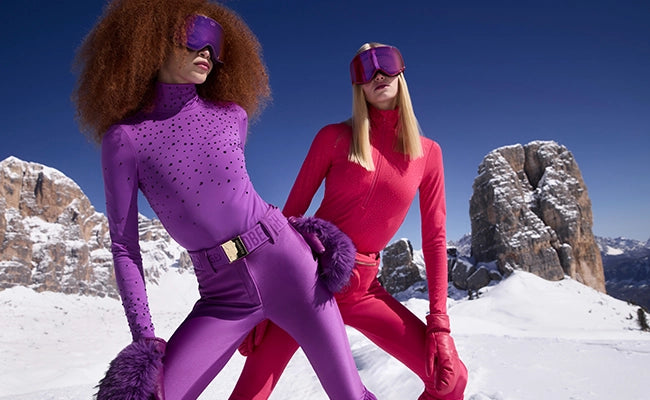
Even the best-chosen underwear won't be enough if you forget about accessories. We lose a lot of heat through our head, hands, and face. A ski helmet with good padding and adjustable ventilation helps maintain a stable temperature while preventing overheating during intense skiing.
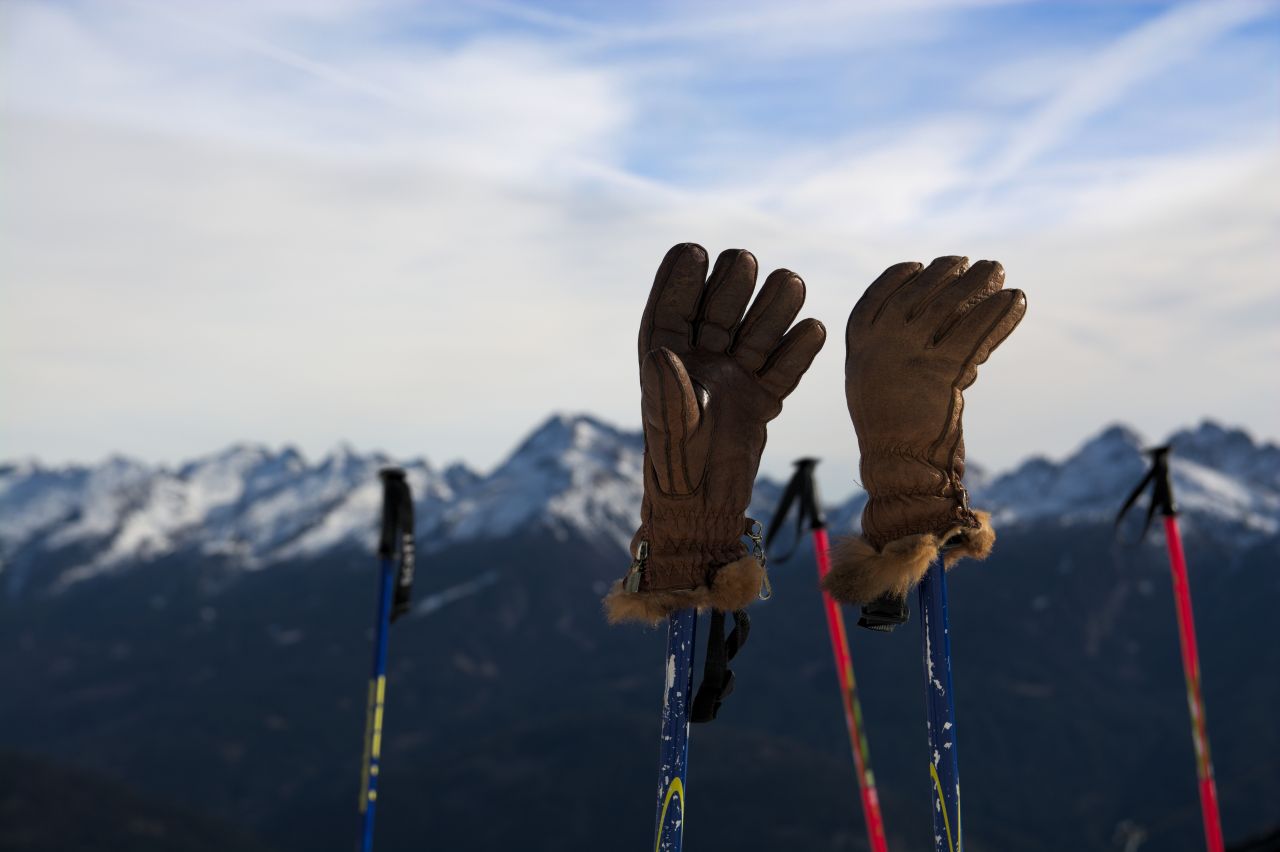
Ski gloves should combine good insulation with waterproofness. Models with a membrane and synthetic insulation provide warmth even in wet conditions. If your hands often get cold, consider mittens or models with an additional liner. Fit is important, as too tight gloves restrict circulation, and too loose gloves lose heat faster.
A thermal mask or neck gaiter is a simple way to protect your face and respiratory tract from cold air. Technical materials effectively warm while wicking away moisture, preventing discomfort.
In very low temperatures, it's worth reaching for chemical hand or foot warmers. This small addition can significantly improve comfort during long stops or skiing in challenging conditions.
FAQ – frequently asked questions
1. Is merino wool underwear suitable for intense skiing?
Yes, although for very dynamic skiing, synthetics may wick away moisture faster. Merino works better for longer use and variable pace.
2. Are thicker socks a good choice for the slopes?
No. Too thick a sock can compress the foot in the boot and impair circulation, which paradoxically leads to feeling cold.
3. Why do I get cold even though I have a warm jacket?
Most often, the problem is moisture next to the skin or poorly chosen thermal underwear. A dry first layer is the foundation of comfort.
4. Are hand and foot warmers safe?
Yes, provided they are used according to the manufacturer's instructions. They are a good solution for very cold days.