














Filters


On the trail, for training, on the slopes – women's thermal activewear
A well-chosen base layer quickly wicks away moisture, and subsequent layers support insulation and protection from unpredictable weather. That's why women's thermal activewear is perfect for running, on the slopes, or simply for outdoor walks.
How does women's thermal activewear work?
Women's thermal underwear and functional clothing have three main tasks.
Moisture wicking
Sweat should not remain on bare skin – it should be transferred to the outer side of the fabric. This keeps the skin from being constantly wet, and the user doesn't feel a cold, sticky layer under their clothes. During intense exercise, this makes a big difference, as wet material quickly cools the body and takes away all the pleasure of spending time outdoors.
Quick drying
Moisture transport alone is not enough if the fabric stays wet for too long. In sportswear, this problem is often addressed by synthetic fibers or Quick Dry solutions. Their role is to ensure that moisture evaporates from the material as quickly as possible.
Temperature regulation
This, in turn, is the ability to maintain a balance between retaining warmth and ventilation. While running or walking, the body produces a lot of heat. During a stop, the situation changes. Good thermal activewear helps prevent extreme scenarios, such as overheating during activity and getting cold after finishing.
Layered system of thermal activewear
Women's thermal activewear is not limited to a single T-shirt or a pair of leggings. It's an entire system of clothing that works best when each layer has a specific task.
Base layer
This most often refers to:
- thermal T-shirts,
- tops,
- longsleeves,
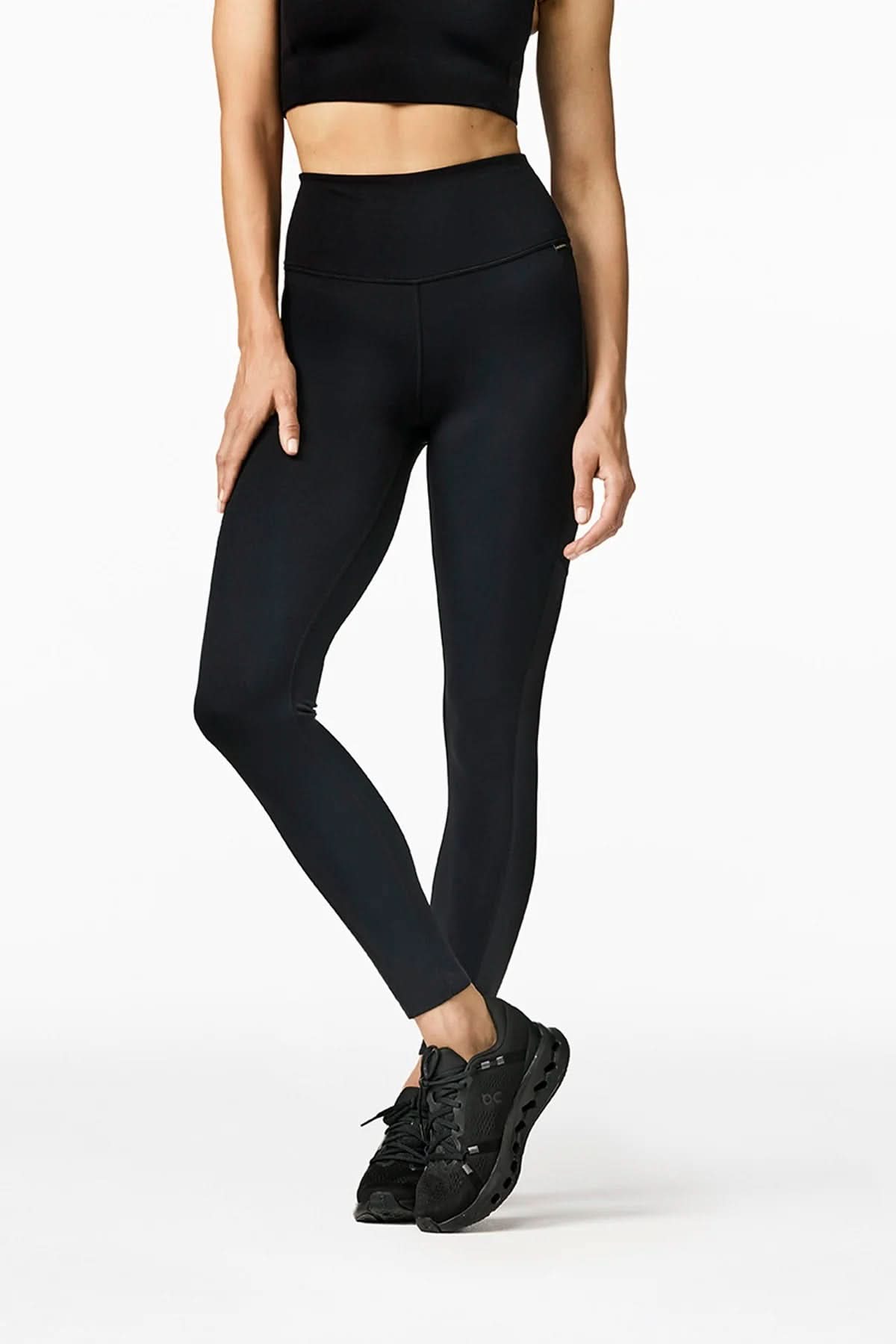
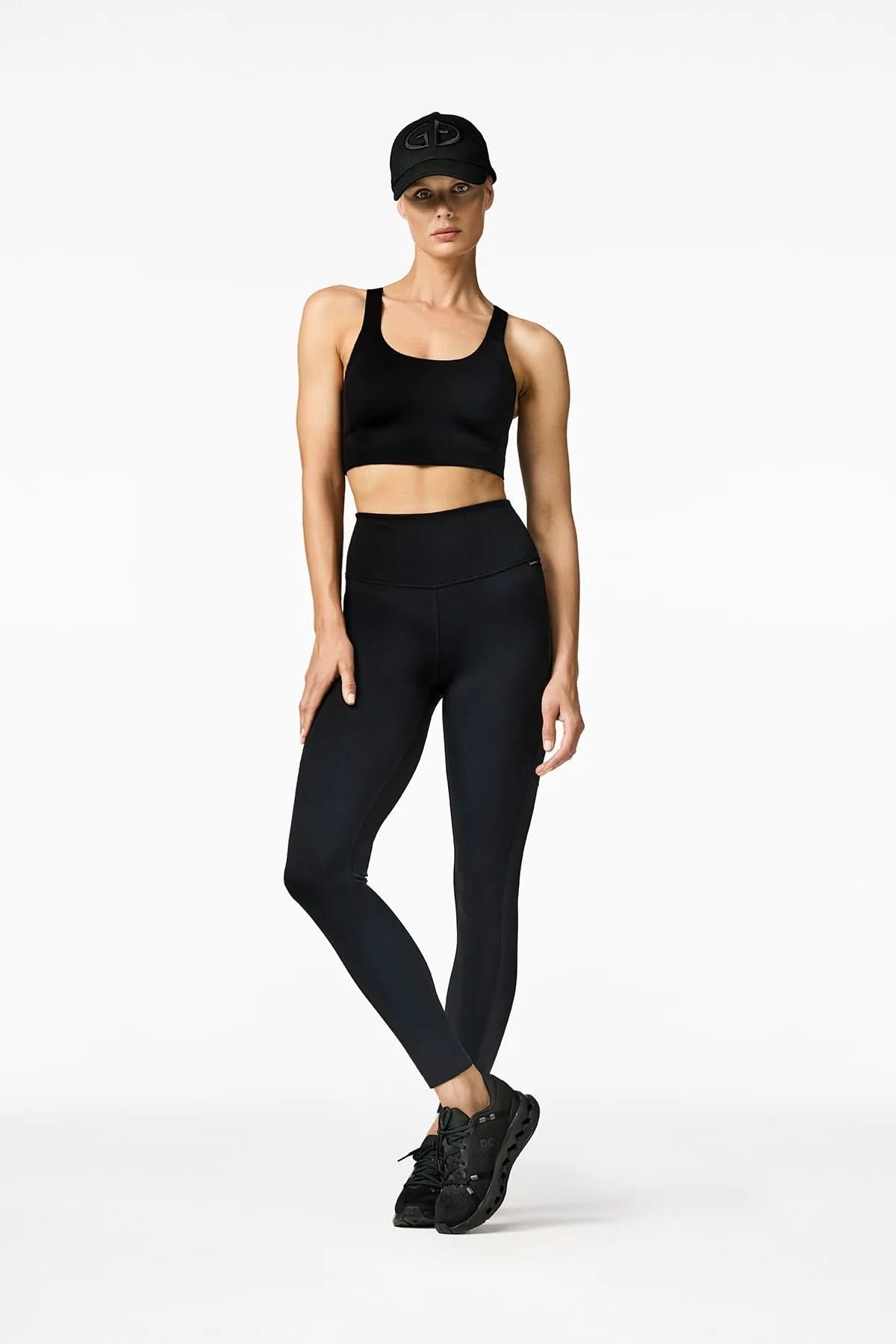
- leggings,
- ski underwear worn directly against the skin.
The first layer is designed to quickly absorb sweat, draw it away from the body, and speed up the drying of the material. This base layer often incorporates microfibers, elastic knits, or seamless construction, as these enhance comfort during prolonged use.
Mid-layer (thermal insulation)
The second layer includes sweatshirts, fleeces, and other lighter insulating models. Their task is to retain heat between the base layer and the outer jacket.
Wear a mid-layer when thermal underwear alone is not enough, and the temperature or wind begins to draw heat away faster than your body produces it.
Outer layer
This segment includes all outer garments, including:
- women's ski jackets, hardshells, and softshells,
- jumpsuits,
- ski pants,
Outerwear is designed to protect against wind, rain, and snow. At the same time, it must not completely block breathability.
Thermal accessories
Socks, gloves, hats, and balaclavas complete the entire thermal activewear outfit. These accessories often determine maximum comfort when conditions become difficult. Why? The body loses heat fastest through the feet, hands, and head. Protecting them thus becomes a priority.
Thermal activewear and type of activity
A woman who runs on a cool morning needs a different set than one who is preparing for a day on the slopes. Clothing should be chosen primarily based on the intensity of movement and the expected weather.
Running, functional training, or dynamic walking
During intense exercise, lighter materials that quickly wick away moisture work best. Lightness, efficient ventilation, and a body-hugging cut are important here.
Tourism (mountain hiking, winter walks)
During calmer activities or longer routes, insulation becomes more important. At the same time, it will be necessary to maintain a balance between breathability and protection from the cold.
Skiing
In such conditions, the base layer alone is usually not enough. You need:
- a base that wicks away moisture,
- an insulating layer that retains warmth,
- a jacket and pants that limit wind and moisture access to the skin.
What is women's thermal activewear most often made from?
Polyester and polyamide
They wick away moisture well and dry quickly, which is why they are so popular in training apparel and layers worn close to the skin. During intense exercise, their advantage is particularly evident: the material does not absorb moisture as easily as cotton, for example.
Elastane
Responsible for the stretch of clothing. This additive improves fit, stabilizes the cut, and increases freedom of movement. This is especially important in leggings, compression shirts, and tops.
Merino wool
Works differently than typical synthetic fibers:
- provides natural thermoregulation,
- supports the maintenance of thermal comfort,
- helps to reduce unpleasant odors.
Microfibers
Thanks to them, moisture can transfer from the body to the outside. In other words, they improve drying speed and overall comfort during movement.
Popular technologies used in thermal activewear
Technologies used in thermal activewear differ primarily in their mode of action. Some accelerate drying, others support moisture wicking, still others limit unpleasant odors or improve fit.
Quick Dry
Refers to solutions designed to shorten the time moisture remains on the material. They are most often based on synthetic fibers, such as polyester or polyamide. These types of materials perform better during intense training when sweat appears quickly and in large quantities.
Moisture Management/Archroma Moisture Management
These solutions focus on directional transfer of moisture from the skin surface to the outer side of the fabric. This process reduces the risk of irritation.
Sanitized Silver Ions
A technology based on silver ions. Its task is to limit the growth of bacteria responsible for unpleasant odors. Sanitized Silver Ions can be considered a particularly useful solution in the context of layers worn directly against the body, including sports underwear.
3D Technology
This does not refer to a single substance or a specific fiber, but to the very structure of the knit fabric. It enables the creation of zones with different material densities and weaves, allowing for the design of ventilation, insulation, and support zones for the body. In women's clothing, this usually translates into a more anatomical cut and freedom of movement.
Women's thermal activewear – more than a sensible choice
Women's thermal activewear keeps skin dry, promotes thermal comfort, and does not restrict movement. It is perfect for running, mountain trips, or winter walks. All you need to do is choose the right material, cut, and layers for your favorite activity to enjoy your good choice.
Check out the women's thermal activewear models available at SportowyButik.pl and choose a branded set tailored to you!