





















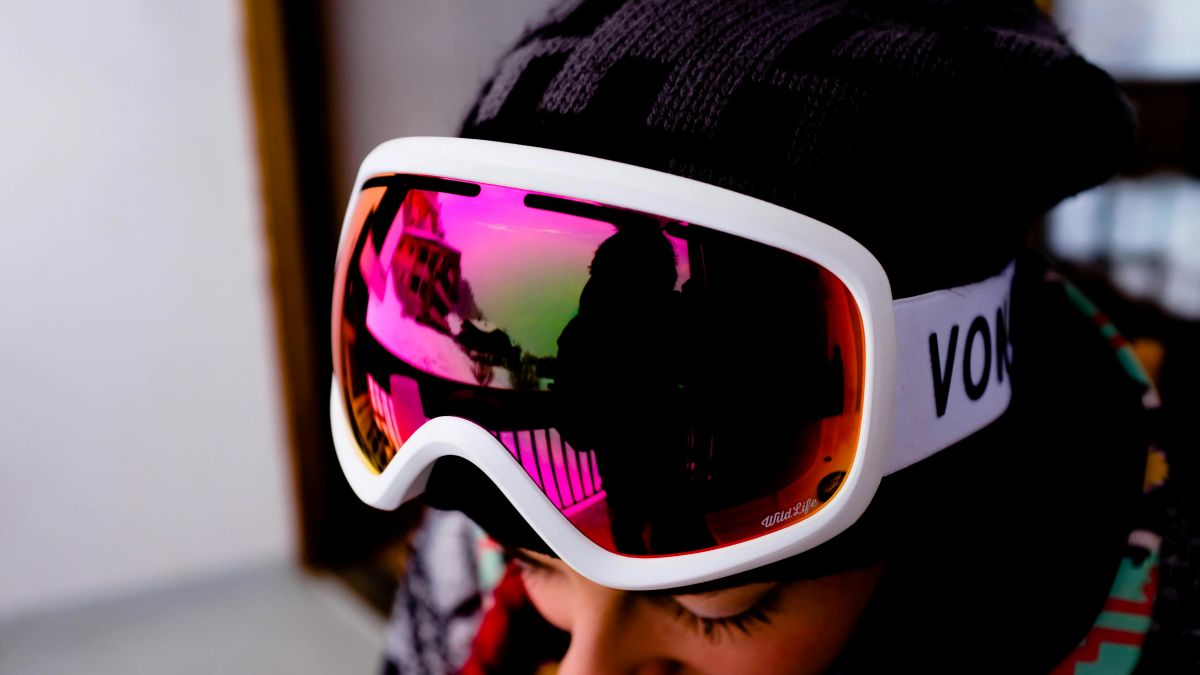
Why do ski goggles fog up?
Imagine a perfect morning on the slopes: fresh corduroy, full sun, and a light frost. You clip into your skis, head down the slope, and suddenly... your visibility drops to zero. Fogged goggles are one of the most frustrating situations that can spoil even the best day of skiing. For those who invest in premium equipment, expecting the highest quality and reliability, this is particularly annoying. In this article, we will explain why ski goggles fog up, what are the physical bases of this phenomenon, and most importantly – how to effectively prevent it, while also taking care of your technologically advanced equipment.
The Physics of Fogging – Where Does the Moisture Come From?
Before we move on to solutions, it's worth understanding the mechanism of the problem. Fogging is nothing more than water vapor condensation. It occurs when warm, humid air (coming from your face and breath) comes into contact with the cold surface of the goggle lens. Inside the goggles, a specific microclimate prevails – the temperature is much higher than outside. If excess moisture is not efficiently removed, it will settle on the inner side of the lens, creating a fog that limits visibility.
High-quality goggles are designed to minimize this risk through ventilation systems and special coatings. However, even the best equipment can fail if used improperly.
The Most Common Causes of Goggle Fogging
Although the physics is simple, there are many reasons that lead to condensation. It is often a combination of several factors.
1. Improper Fit with Helmet and Face Shape
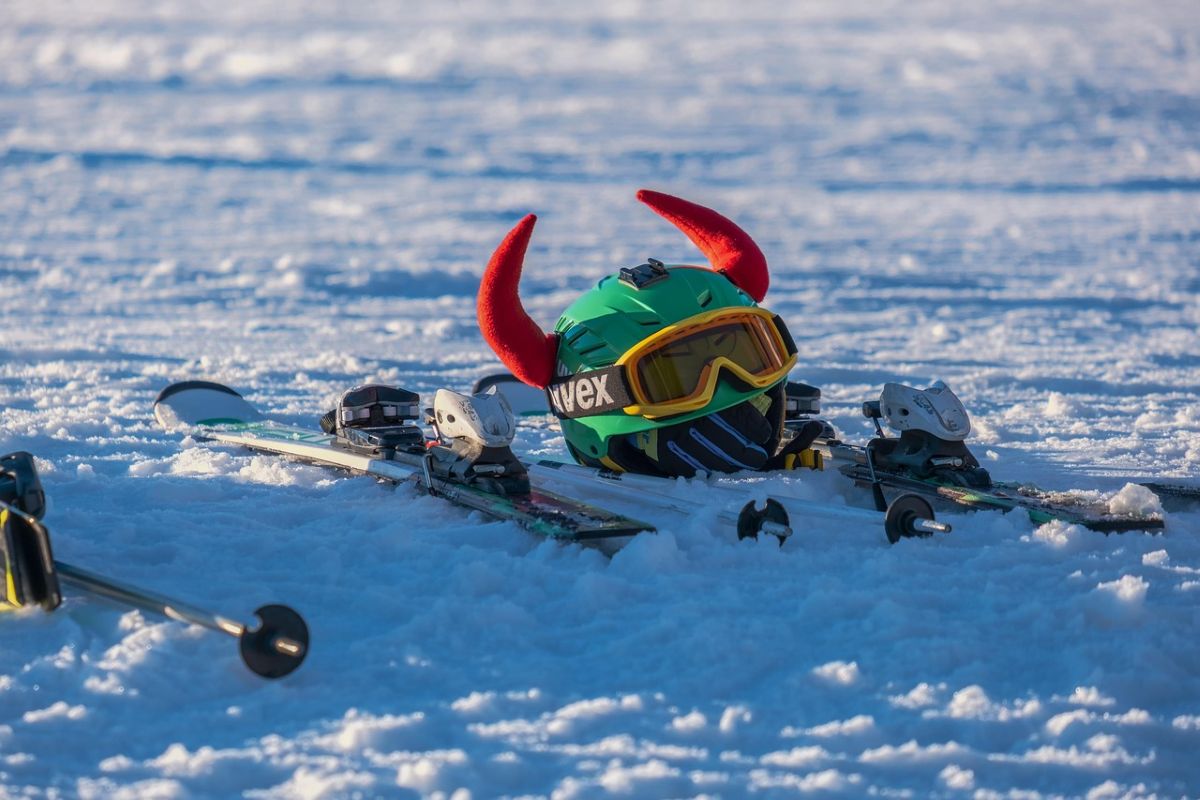
This is one of the most common mistakes. Ski goggles must form a coherent system with your helmet. If there is too large a gap between the upper frame of the goggles and the helmet (the so-called "gaper gap"), cold air gets inside, cooling the lens and causing immediate fogging. On the other hand, if the helmet presses the goggles too tightly against your nose, it can block the lower vents and restrict air circulation. When choosing equipment, always try it on together – check if the goggle models are compatible with your helmet.
2. Obstructed Goggle Vents
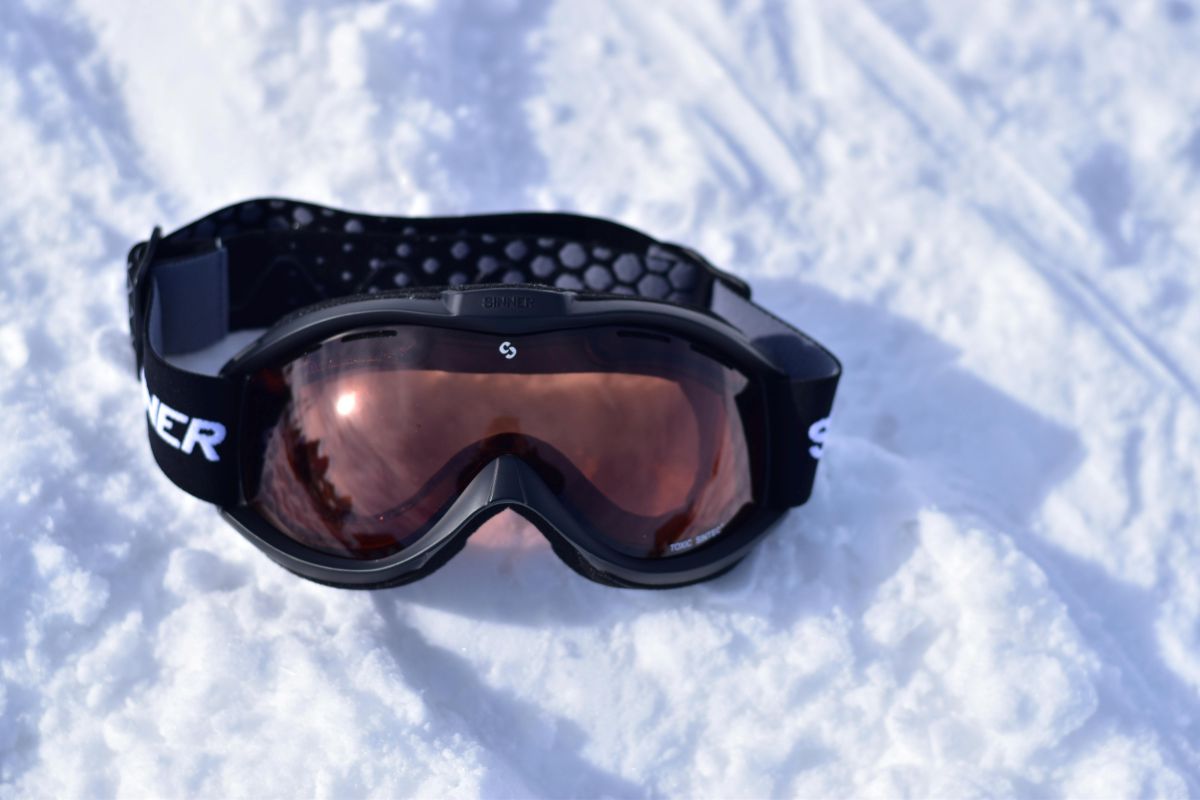
Your goggles have an advanced ventilation system, usually located in the foam frame at the top and bottom. This is a crucial element that allows for air exchange and moisture removal. If you wear a too thick hat under your helmet that is pulled down to your forehead, or if your balaclava is poorly positioned, you can unconsciously block these openings. As a result, warm, humid air gets trapped inside. Snow that clogs the vents after a fall works similarly.
3. Overheating and Sweat
Intense skiing or snowboarding, ascents, and even standing in a sunny spot in full gear generates huge amounts of heat. Your body sweats to cool down. This sweat evaporates from your face directly into the goggles. If you are also wearing too warm clothing, e.g., thick ski underwear, the problem intensifies. Moisture from sweat is a direct path to fogged lenses.
4. Putting on Wet Goggles
This is a common mistake made after a lunch break. If you take off your goggles and put them on a wet table in a restaurant, store them in a damp jacket pocket with your gloves, or put them on a snow-wet hat, you introduce moisture into them before you even start skiing. Remember: always put on your goggles when they are completely dry, on a dry face and hat.
5. Damaged Anti-Fog Coating
Most premium goggles have a factory anti-fog layer on the inside of the lens. This is a hydrophilic coating that absorbs moisture before it can condense. Unfortunately, it is very delicate. Attempts at improper lens cleaning – especially wiping them with a finger, glove, or rough material when wet – can permanently damage this layer, drastically increasing susceptibility to fogging.
How to Prevent Fogging? Solutions for Demanding Users
Investing in comfort on the slopes starts with choosing the right equipment and developing good habits. Here's how to effectively combat fog.
-
Choose goggles with a double lens: This is an absolute standard in good models. The air cushion between the two layers of the lens acts as a thermal insulator, reducing the temperature difference between the inside and the environment.
-
Pay attention to ventilation: Good snowboard goggles and ski goggles have extensive ventilation systems. Make sure they fit your helmet and are not obstructed by it.
-
Wear appropriate clothing: Avoid overheating. Use thermal clothing that effectively wicks away sweat. Do not pull your balaclava over your nose so that exhaled air goes directly under the goggles.
-
Do not wear goggles on your forehead: During a break on the lift or in a bar, many people move their goggles to their forehead. Your forehead is warm and moist (especially if you have a hat there), which causes immediate fogging. It is better to take them off completely and let them dry.
-
Use appropriate accessories: If you need to clean your goggles on the slopes, use only a special microfiber cloth (often the bag included with the goggles). Never use paper towels, tissues, or napkins – their fibers can scratch delicate coatings.
Proper Maintenance and Storage
How you treat your goggles after leaving the slopes is crucial for their lifespan and resistance to fogging.
After returning home or to the hotel, remove your goggles from their case or pouch. Allow them to dry naturally at room temperature. Avoid placing them directly on a radiator or using a hairdryer – high temperatures can deform the frames or delaminate double lenses.
Make sure the goggle foam is completely dry before storing them away. Damp foam will release moisture the next time you use it, causing them to fog up immediately after putting them on.
When cleaning glasses and goggles, be extremely gentle. The outer lens can be gently cleaned with soap and water (if the manufacturer allows it) and a soft cloth. Avoid contact of the inner lenses with water if possible, and certainly never rub them when they are wet. If you need to clean them, gently dry them by dabbing with a microfiber cloth, not rubbing.
What to Do When Goggles Fog Up on the Slopes?
It happened – you're at the top, and your goggles are fogged up. What to do? First of all, don't panic and don't ski "blind." Stop in a safe place. If conditions allow (it's not snowing and there's no strong wind), take off your goggles and shake them to force air circulation and speed up evaporation. If you need to wipe them, make sure you use a dry microfiber cloth. Gently remove excess moisture. Avoid wiping with a ski glove – it's rough and can be wet or dirty, which will only make things worse and can scratch the lens.
Remember that fighting fogging goggles is often a matter of details. High-quality women's ski goggles and men's ski goggles, combined with knowledge of their proper use, will provide you with a crystal-clear view in all conditions.
FAQ – Frequently Asked Questions
1. Can I use anti-fog sprays on expensive goggles?
We strongly advise against using universal sprays on premium goggles that have a factory coating. The chemicals contained in such preparations can react with the original layer and permanently damage it, leaving streaks or destroying the hydrophilic properties.
2. Why do my new goggles fog up immediately after I put them on?
Most likely, the problem is a poor fit to your face or helmet, causing a leak, or putting them on wet skin/hat. Check that the goggles fit snugly and that nothing is blocking the ventilation openings. Also, make sure you don't store them in a damp place.
3. How to dry goggles if they got wet inside on the slopes?
The best way is to go to a warm room (e.g., a mountain hut) and dry them with warm air (hand dryers in the bathroom can be helpful, but keep a safe distance to avoid overheating the equipment). On the slope, in a pinch, try to gently dry them with a microfiber, trying not to rub the inner surface too hard.