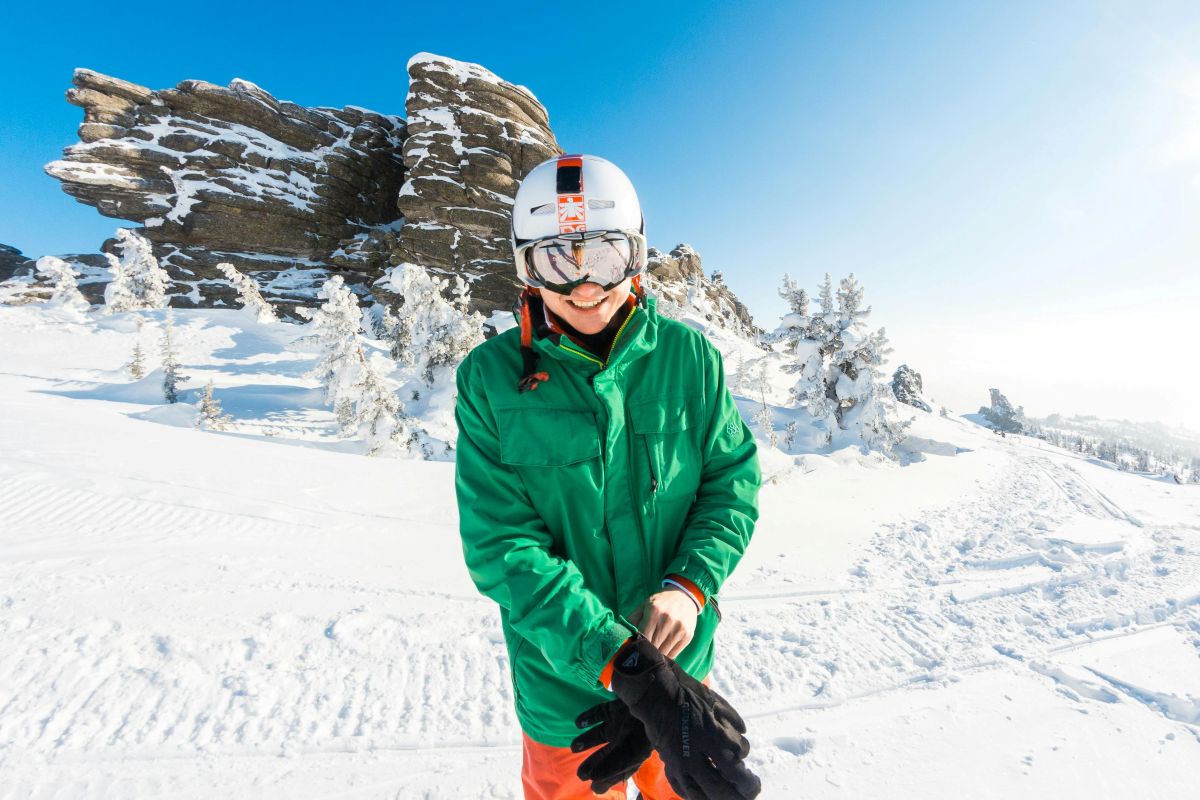











A guide to ski jacket features: what should the ideal slope wear have?
A ski trip is not only a sporting adventure but also an opportunity to showcase impeccable style and benefit from the marvels of modern material engineering. For the discerning skier seeking premium products, the choice of ski apparel is not a matter of chance. It's an investment in comfort, safety, and aesthetics, which together determine the quality of time spent in the mountains. In this article, we will look at the key structural elements that make a particular ski jacket a reliable companion in all conditions.
What features should a premium ski jacket have?
When considering what features a ski jacket should have, it's worth looking beyond basic technical parameters and focusing on details that genuinely impact usability. A good ski jacket intelligently responds to changes in temperature and the intensity of your effort.
Snow skirt and snow gaiter – protection against cold
One of the most important elements that a professional ski jacket must have is a snow skirt (often referred to interchangeably as a snow gaiter). This is an internal, elastic band fastened with snaps, located at the bottom of the jacket's interior. Its main task is to create a barrier that effectively protects against snow getting under the clothing during a potential fall or skiing in deep powder. Moreover, this band provides additional insulation against cold wind, helping to maintain constant thermal comfort. In premium models, it can often be attached directly to dedicated trousers, creating a sealed protective system.
Advanced cuffs and ventilation openings
Proper sleeve finishing is another detail indicating the class of ski apparel. Modern ski jackets feature double cuffs: internal ones, made of elastic material with a thumbhole, and external ones, adjustable with sturdy Velcro or zippers. This design prevents cold drafts and snow from entering the sleeve.
When choosing women's ski jackets or men's models, pay attention to the ventilation openings. Typically located under the arms, they allow for rapid dissipation of excess heat during intense exertion. This is a crucial element that allows you to adjust the jacket to your current activity level and prevents overheating of the body.
Smart hood and pocket system
The hood of a ski jacket must be spacious enough to comfortably fit over a ski helmet, while also having an adjustment system that allows it to be fitted without restricting visibility. In luxury segments, hoods are often detachable and finished with natural fur or technical trims.
Equally important is the functionality of the pockets. An ideal ski jacket should have a dedicated skipass pocket on the left forearm, an internal goggle pocket with a microfiber cloth, and secure, insulated pockets for a smartphone. This turns your clothing into a mobile command center on the slopes.
Membrane and technical parameters: the heart of a good jacket
The heart of every professional jacket is its membrane. It determines how well the chosen ski jacket will handle moisture and wind. The question of which membrane will be best depends on the skiing style.
-
Water resistance: measured in millimeters of water column. Premium models typically offer parameters from 10,000 to 20,000 mm. Such a value ensures that the membrane can handle even heavy snowfall and wet snow.
-
Breathability: measured in g/m²/24h, indicates the material's ability to transfer water vapor outwards. High breathability (above 15,000 g) is essential to avoid the feeling of dampness on the skin during intense descents.
When choosing a ski jacket, it's important to remember that these parameters work best when professional women's thermal underwear is worn underneath, forming a crucial first layer of the clothing system. The good breathability of the entire set is fundamental to comfort.
Insulation and materials: natural down or synthetic technologies?
In luxury collections, a down jacket, which utilizes natural down, is often found. It offers the best thermal insulation on the market while maintaining extraordinary lightness. If your activity takes place in extremely low temperatures, a model filled with natural down will be unbeatable. On the other hand, modern synthetic insulations, often mimicking the structure of down, provide good thermal insulation even after slight dampness.
Many top-tier jackets also feature taped seams and reinforced seams in areas most prone to stress. Additionally, waterproof zippers are standard, guaranteeing that moisture will not penetrate through the fastenings. All these elements ensure that men's sports jackets and women's jackets from our offer provide effective protection against harsh weather conditions.
How to choose a ski jacket that allows freedom of movement?
Comfort on the slopes primarily means mobility. When choosing a ski jacket, make sure it is not too tight. It should allow for free bending and arm movement, without limiting your dynamics. Many premium brands use 4-way stretch materials that ensure full freedom of movement.
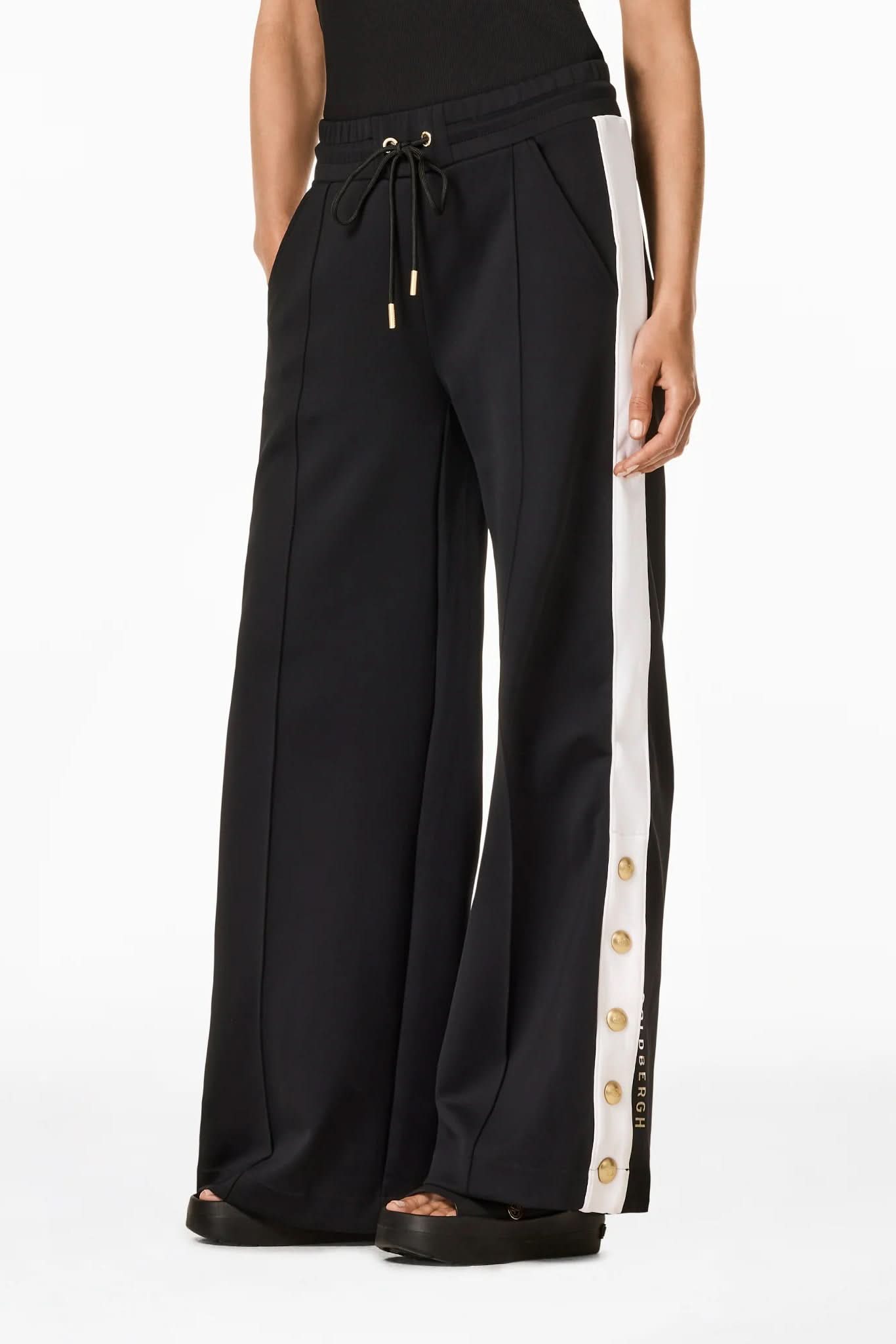
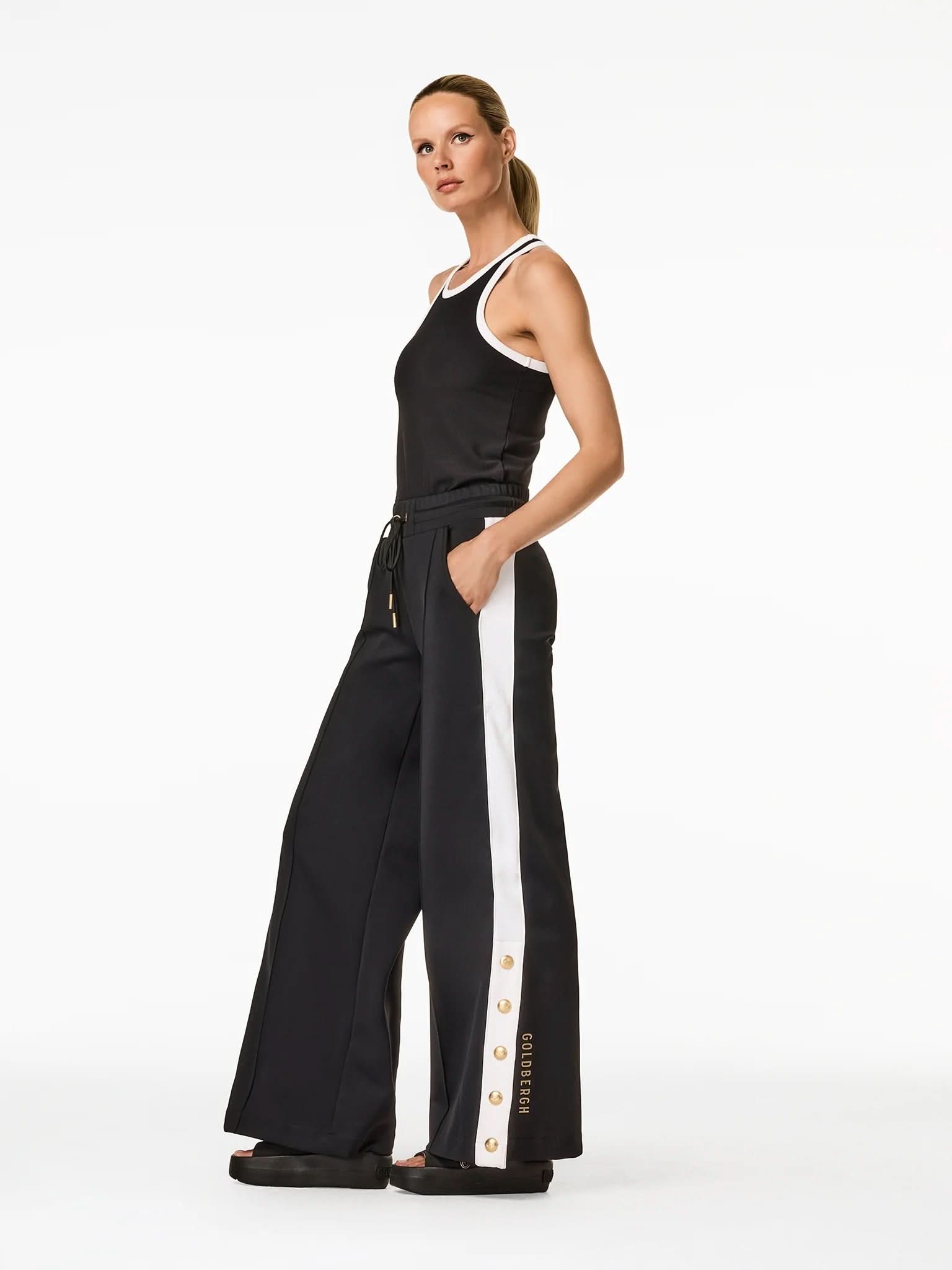
Pay attention to the cut. Some female skiers prefer a longer cut, which better protects the lower back from the wind. Remember to match appropriate women's ski trousers or men's trousers to the set, which will complement the jacket's functionality. For those who value maximum sealing, ski suits can also be an excellent choice.
Safety and visibility on the slopes
Designers of luxury apparel do not forget about safety. Reflective elements or details in bright colors can significantly improve your visibility in difficult conditions and fog. Although classic black and white are always in fashion, subtle reflective elements are extremely important for safety. Often, RECCO systems are also used in a given model, which help rescuers locate skiers.
In summary, the choice of jacket should be dictated by an analysis of your needs. If you plan to buy a ski jacket that will serve you for many seasons, opt for a combination of advanced technologies, noble materials, and smart design. The ideal jacket is one in which you feel confident regardless of nature's whims.
FAQ – Frequently Asked Questions
1. Is a down jacket suitable for intense skiing?
Yes, provided it has an appropriate membrane with high breathability and ventilation openings. Natural down provides excellent thermal insulation, but with very intense effort, it is worth ensuring efficient air circulation to maintain optimal body temperature.
2. What water resistance parameters are sufficient for Polish and Alpine slopes?
For moderate snowfall, a 10,000 mm membrane is sufficient. However, in harsh weather conditions, when in contact with wet snow, clothing with a parameter of 20,000 mm water column will definitely perform better, guaranteeing optimal protection.
3. Do I need to wear many layers under a ski jacket?
Layering is key. The first layer is always thermal underwear, which wicks away moisture. Depending on how good thermal insulation your jacket offers, you can add an intermediate layer (e.g., a light fleece or a thin down vest). This allows you to adjust the jacket to the current weather conditions outside.